
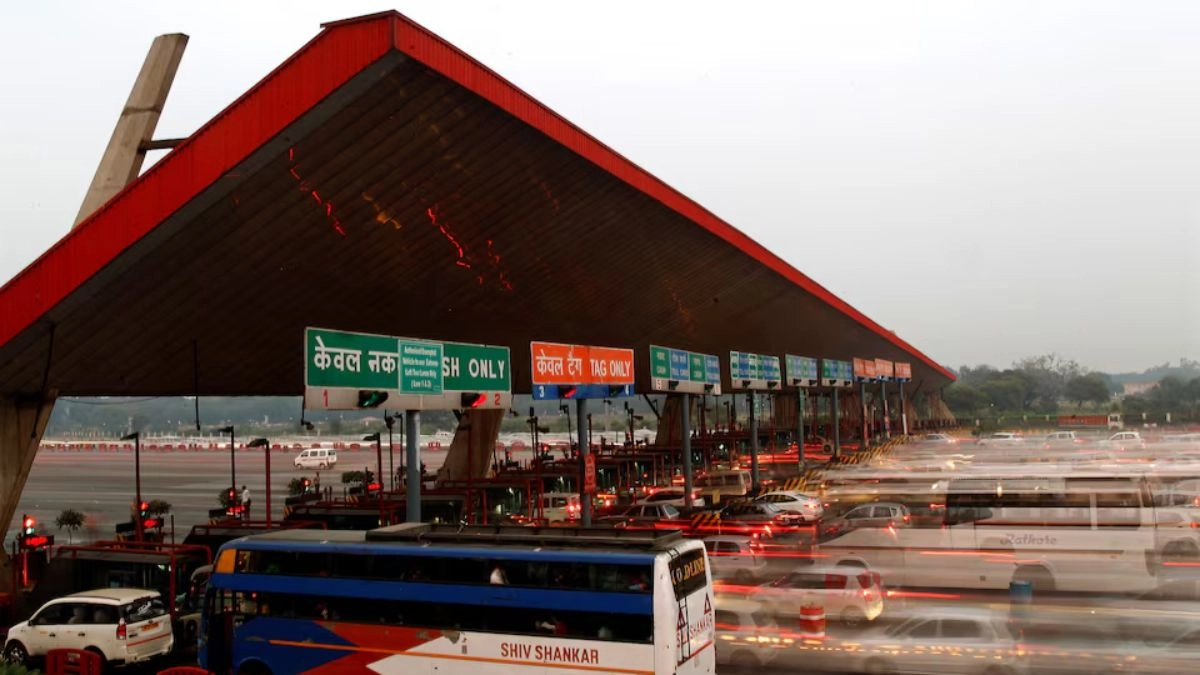
India is adapting to a more advanced and seamless toll collection system, as claimed by the central government. Union Minister for Road Transport and Highways, Nitin Gadkari recently announced plans for a satellite-based toll collection system, marking a significant upgrade from the current FASTag system. Global Navigation Satellite System (GNSS) promises a more efficient, transparent and streamlined toll collection process on highways.
ALSO READ: Ferrari's First-Ever Electric Sports Car Set To Launch Next Year; What We Know
How GNSS-Based Toll Collection Works
The NHAI plans to integrate GNSS technology with the current FASTag system, creating a hybrid model that combines GNSS with Radio Frequency Identification (RFID). Virtual toll booths will be installed along toll sections of highways, interacting with GNSS-enabled vehicles. These virtual toll booths will gather essential vehicle information, including registration numbers, vehicle types and users' bank details. As vehicles pass through these virtual toll booths, the GNSS system will automatically deduct toll fees from the users' bank accounts. Dedicated GNSS lanes at toll plazas will facilitate smooth passage for vehicles using this technology.
Advantages of GNSS-Based Toll Collection
The GNSS-based toll collection system offers several benefits, including various toll charging techniques such as distance-based, time-based and congestion-based toll collection. It reduces the need for physical roadside infrastructure, resulting in cost savings and easier maintenance. The GNSS system is expandable, allowing it to cover extensive road networks without significant infrastructure investments. With GNSS, vehicles can travel without slowing down or stopping at toll booths, reducing traffic congestion and providing a smoother journey for travellers.
Recommended For You
ALSO READ: 2025 Kawasaki Ninja 650 Introduced For All Global Markets; Check What’s New
Challenges of GNSS-Based Toll Collection
For GNSS technology to work well, good connectivity is essential. India's large and diverse landscape can cause problems due to signal interference or incorrect readings due to connectivity issues. Additionally, installing GNSS devices in vehicles raises privacy concerns. Strong data privacy protections and compliance with regulations are needed to protect user information and address these concerns.