
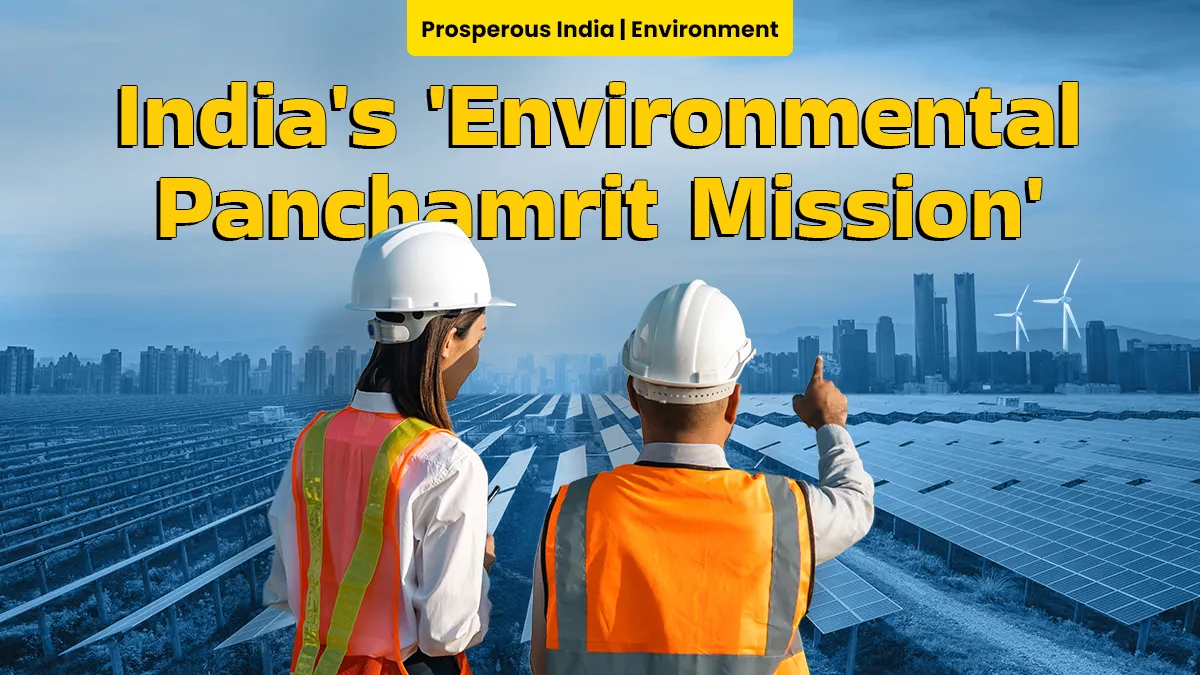
Achieving economic growth and ensuring a better life for its people is crucial for any country. In this context, the role of the environment becomes quite significant in India's journey towards becoming a developed nation. Currently, climate change, unseasonal rains, floods, droughts and rising pollution are affecting our lives economically, socially and health-wise. However, the government has recognised these problems. India's climate change initiatives are already progressing. In the Climate Change Performance Index (CCPI) 2023, India secured the 8th position, with only four contenders—Denmark, Sweden, Chile and Morocco—ranked higher, while the worst performers were China (51), the USA (52) and Iran (63, the lowest). The issue is that the index left the top three positions vacant, citing a lack of deserving candidates. In the CCPI 2022, India was ranked 10th. Thus, India has already set a direction for a better future. We are progressing rapidly. We have now become the world's third-largest energy consumer, the third-largest oil consumer, the third-largest LPG consumer, the fourth-largest LNG importer, the fourth-largest refiner and the fourth-largest automobile market. Prime Minister Narendra Modi has announced the 'Panchamrit' at COP-26 in Glasgow, i.e., five commitments from India to the Earth. Our carbon emissions must decrease and we need to increase our use of non-fossil fuels from 40 per cent to 50 per cent, which will include solar, hydro and wind energy, i.e., renewable energy. The green cover needs to be increased. India has already emphasised increasing ethanol production. In the process of decarbonisation, adopting a sustainable lifestyle and enhancing renewable energy sources has been stressed. The PM has also launched a LIFE mission for this, which includes the concept of green credit.
India can expect strong economic growth with a growing contribution from the blue economy by 2047, bringing its per capita GDP and Human Development Index on par with the developed world.

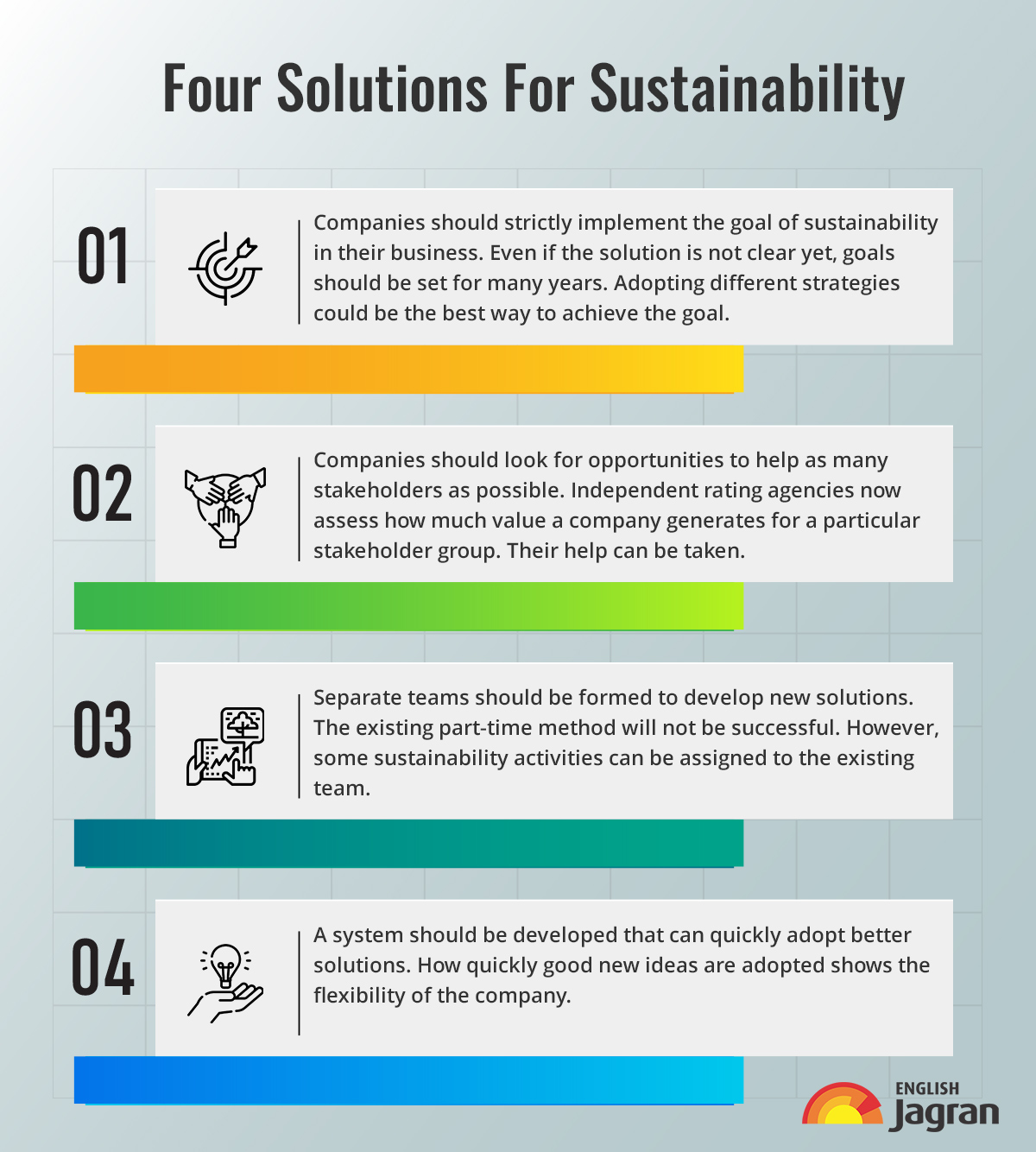
Divya Sharma, Executive Director of Climate Change, says that Developed India 2047 is a special journey for every Indian. The world will understand it as a journey of development, but for India, it will be a journey to revive its golden history. We have always been a civilisation living in harmony with nature, respecting and conserving it as an integral part of our daily life. It is no surprise that even today, India's per capita greenhouse gas emissions are significantly better than those of other developed countries. The policies of Developed India should prioritise this strength of ours. Countries around the world are promoting achieving net zero as soon as possible and India has set a target of net zero by 2070. This goal should be paramount in the policies of Developed India. This development should not only prepare India for changing times but also depend on the conservation of the environment, nature and resources, rather than their exploitation.
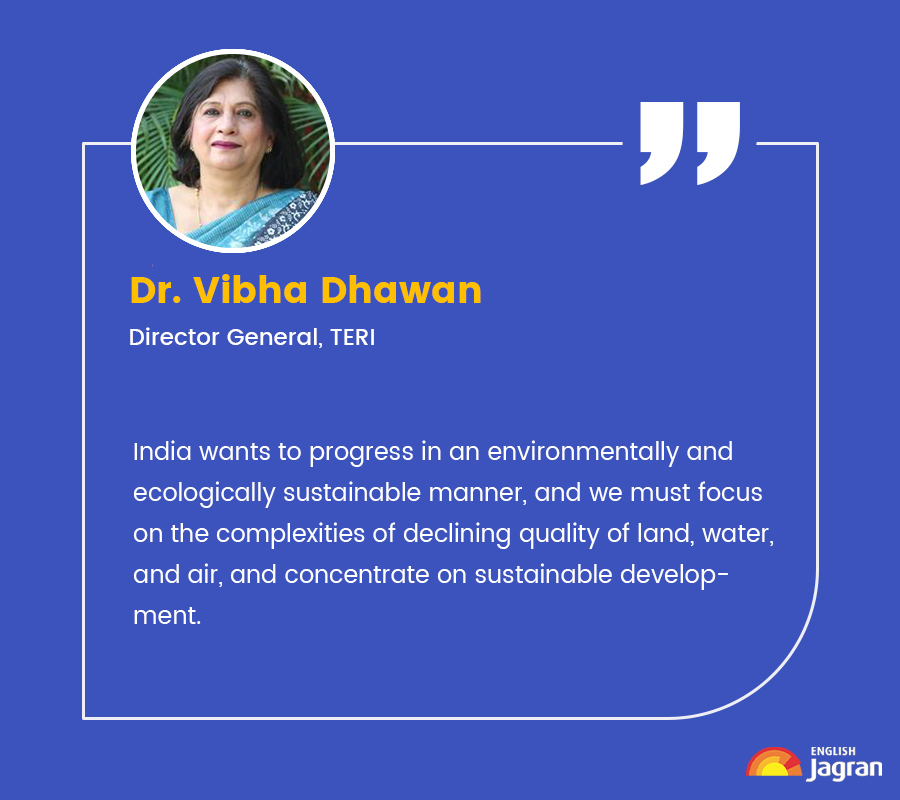
Dr. Vibha Dhawan, Director General of TERI, says that there is ample evidence that changes can be made with the right policies that consider environmental concerns and developmental needs. As India seeks to progress in an environmentally and ecologically sound manner, we must focus on the complexities of the decline in land, water and air quality and emphasise sustainable development. For a developed India, attention needs to be given to various ideas such as promoting clean energy, building resilient infrastructure and communities and ensuring the availability of clean air and water.
Speaking about India's aspirations to become a USD 30 trillion economy by 2047, Ulka Kelkar, Executive Director of WRI, said that no country in the world has become rich by being poor in energy. She mentioned that there are currently some significant problems. India's goal of tackling climate change cannot be pursued solely through a carbon lens. She said, "As climate change risks start to materialise, policy will need to be adapted and decentralised accordingly. Even new energy infrastructure or transport infrastructure will be at risk due to climate change."
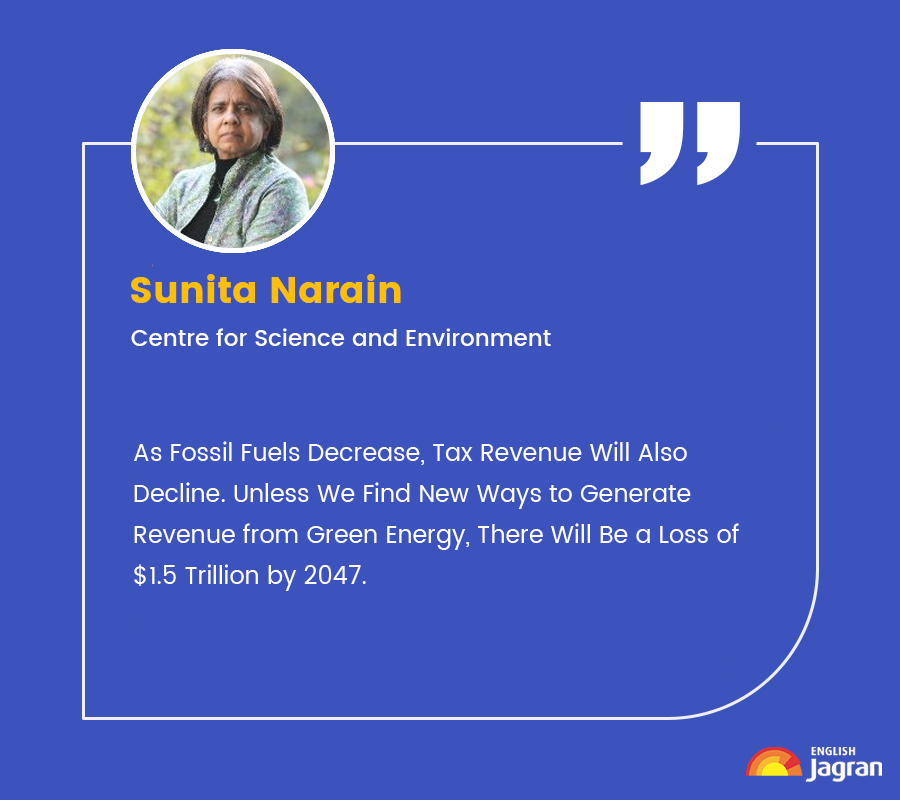
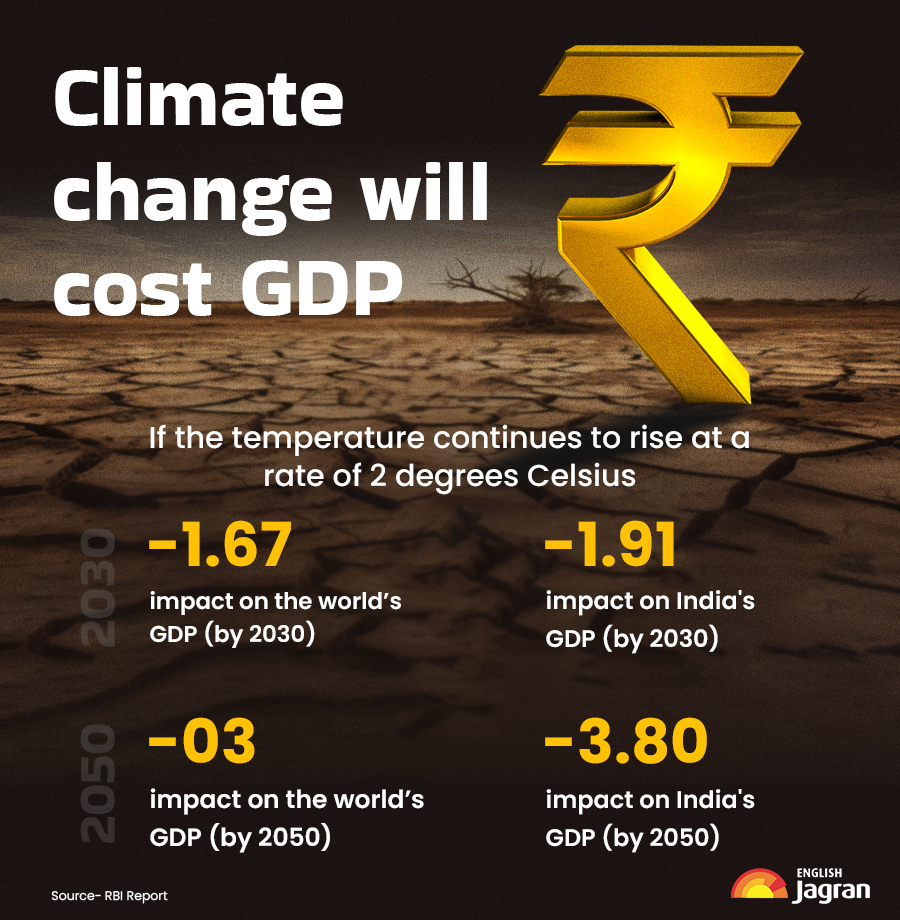
Sunita Narain, Director of the Centre for Science and Environment, says that "As fossil fuels decrease, tax revenue will also decrease. Unless we find new ways to generate revenue from green energy, there will be a loss of USD 1.5 trillion by 2047."
Setting Goals For Government Schemes Is Essential
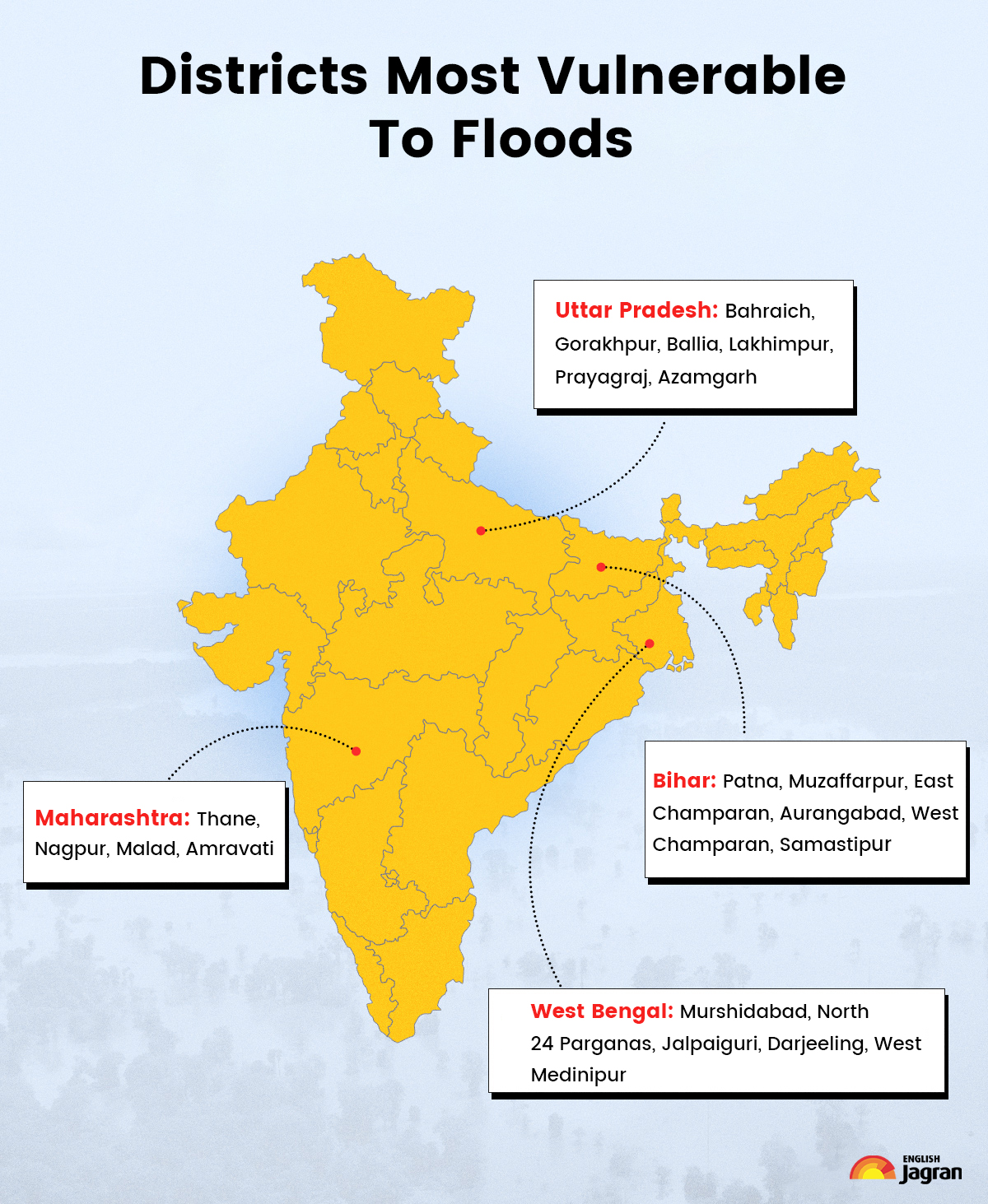
Narain stated that the ultimate goal of any government scheme is to ensure it reaches the people every time. Now, the impact of climate change has also been included, with at least one extreme weather event affecting some part of the country every day. This has a significant impact on development programmes – droughts, floods and loss of livelihoods due to extreme weather events increase, putting additional pressure on government resources.
Dr. Vibha Dhawan mentioned that with interaction across all sectors, the industry should contribute to recycling/processing agricultural waste into materials or energy forms, investing in R&D in emerging biofuel technologies and enhancing the use of technologies and processes. This will not only increase efficiency but also help reduce GHG emissions and local pollutants. Additionally, it will positively impact the entire value chain and water resources.
Changing Farming Methods Will Be Beneficial
Dr. Vibha Dhawan stated that the agricultural sector results in GHG emissions. Climate change also affects crop cycles and yields. However, the option of changing crop patterns depends on factors such as food and nutrition security, land and water availability, livelihood and agricultural income. Promoting integrated farming, changes in agricultural management practices, climate-resistant and climate-friendly crops can contribute to sustainable agricultural development.
Industry Needs To Collaborate
Narain said, "The Indian industry is becoming more aware of the needs for change, performing actions that are good for both themselves and the environment. Sectors like iron, cement and steel need strengthening. The industry can do much to reduce its carbon footprint." He added that green energy financing is still lagging behind in the private sector. The cost of capital remains too high to achieve the transformation we need. Making renewable energy projects practical is still challenging.
Earth Is Warming Rapidly
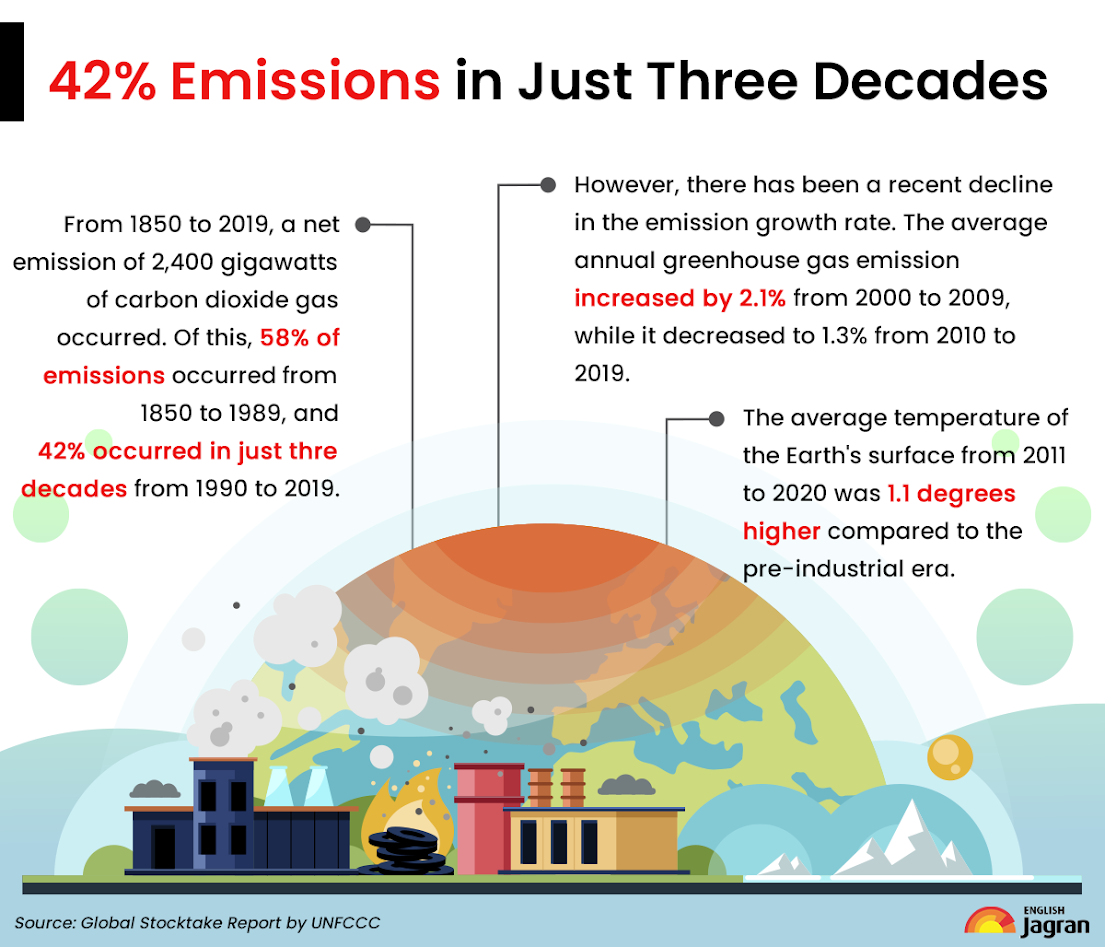
Experts believe that the Earth has already warmed by 1.2 degrees Celsius and the carbon budget to limit the temperature to 1.5 degrees Celsius is shrinking. Exceeding the budget will result in rising sea levels, worsening weather, increased heat, crop failures, climate-induced migration, forest fires, loss of biodiversity, increased ocean acidity and more. We will face the risk of crossing dangerous climate change thresholds where some natural balances will be irreversibly destroyed. India can achieve net-zero emissions by 2047, provided there is coordination and support from top to bottom.
Utilising Every Drop Of Water And Controlling Pollution
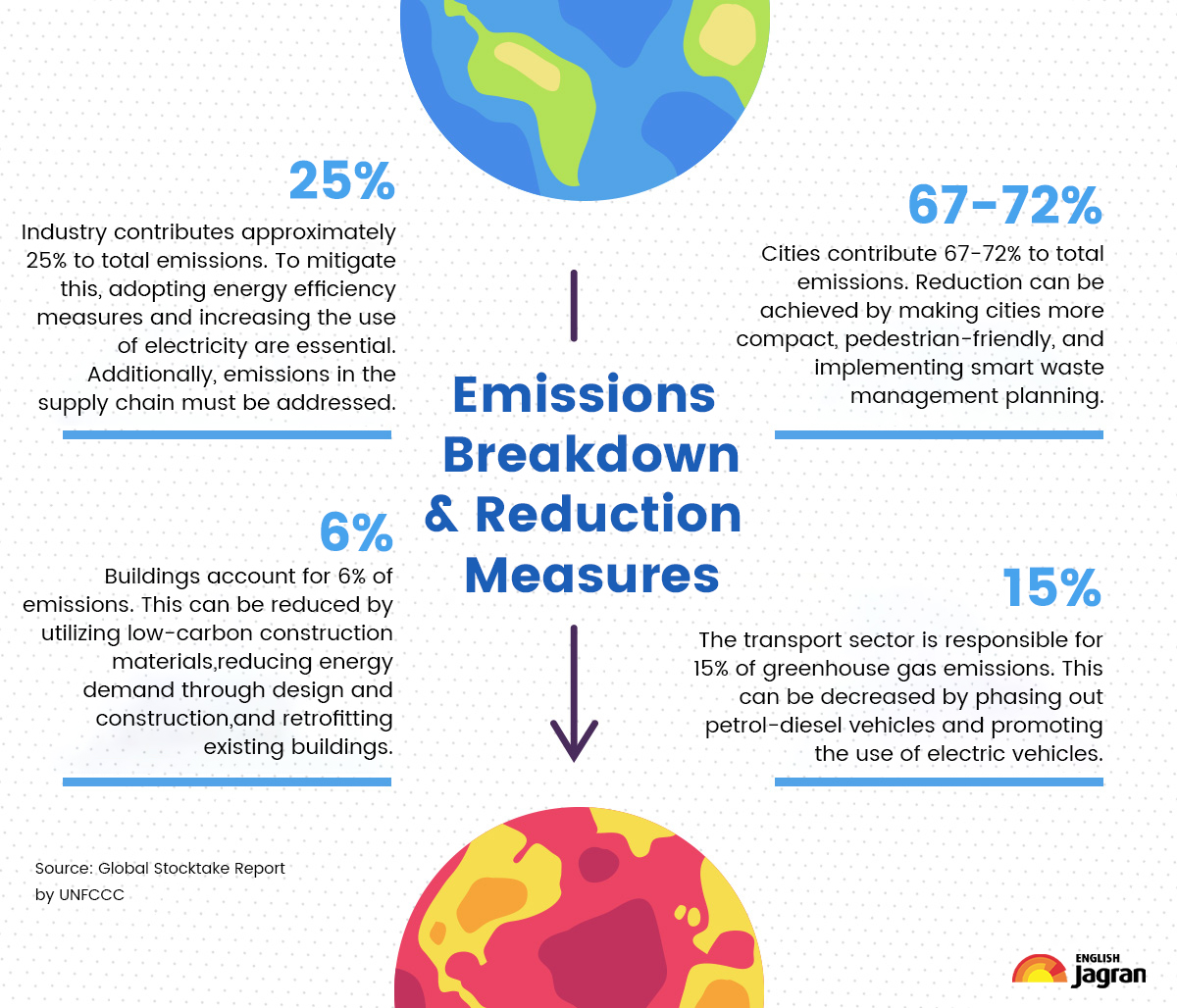
CSE Director Sunita Narain stated that to achieve 'clean water for all,' India needs to rethink the method of bringing water from afar in cities. This leads to water wastage and is not sustainable. According to Sunita Narain, we need to work on large-scale water storage immediately and also focus on minimising water evaporation. Steps need to be taken to address this. With rising temperatures, the rate of evaporation will increase. She mentioned that the best options for water storage are underground water storage or working on wells. She also said that much needs to be done to achieve clean air. The clean energy agenda should be advanced. We need to increase our clean energy portfolio, not only in terms of infrastructure investment but also in terms of production. We know that renewable energy still supplies 9-11 per cent of the country's total electricity needs. This needs to be increased rapidly.
This can be done by reducing pollution from coal-based power plants, adopting cleaner fuel sources including natural gas and reducing the growing number of motor vehicles in Indian cities. The demand of the time is that every drop of wastewater is recycled to prevent the destruction of the country's rivers. Narain said, "For this, we need to redesign our sewage systems to make them affordable and sustainable."
Fuel Prices Will Be Cheaper With Green Energy
The Lawrence Berkeley National Laboratory (Berkeley Lab) of the US Department of Energy has published a report stating that if India achieves self-reliance in the green energy sector by 2047, the greatest benefit will be to consumers. This will be available to people in India at cheaper rates, leading to savings of approximately 2.5 trillion USD. The report is titled 'Pathway to Atmanirbhar' and studies the sectors in India that consume the most energy, including transportation, power generation and industrial units. Promoting green energy will not only protect the environment but also yield significant economic benefits. The report also mentions that India has reserves of lithium, which will help in cost-effectively promoting green energy. Moreover, India is poised to achieve its green energy targets at the lowest cost.
Our share in global energy consumption will double by 2050. According to the American report, India's energy demand will quadruple. To meet our needs, we have to import 90 per cent of our oil, 80 per cent of our industrial coal and 40 per cent of our natural gas. Due to the price volatility in the international market, the most severe impact is inflation in the economy.
Employment In The Energy Sector
Adopting renewable energy will create new jobs in the green energy sector each year, but these will not match the number of young people entering the labour market. Kelkar said, "But the number of new workforce entrants each year will exceed the number of new jobs created, becoming a problem."
Promotion Of Electric Vehicles
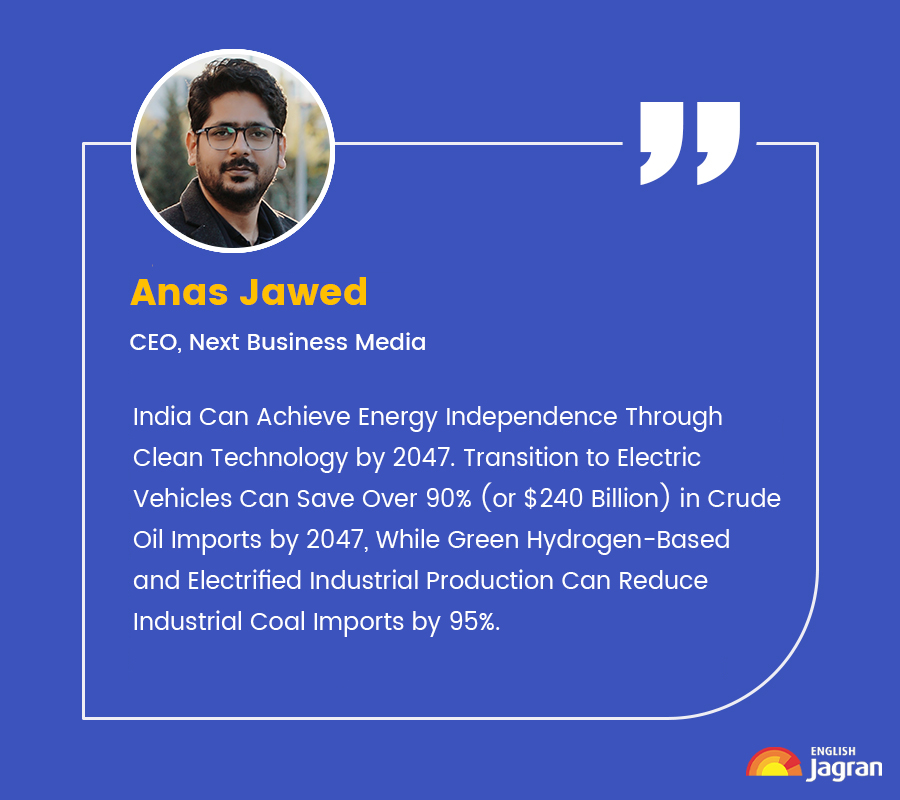
The Indian government is promoting vehicles powered by electric energy. For this, the manufacturing of lithium-based batteries is being encouraged. Charging stations are being constructed nationwide, along National Highways, industrial corridors, etc. Additionally, the government has introduced a scrappage policy to replace vehicles older than 15 years to reduce environmental damage caused by carbon emissions. Financial assistance will be provided to people for removing old vehicles. Besides battery-based vehicles, green hydrogen fuel is also being promoted. The government has allocated Rs 19,500 crore for this, aiming to provide financial assistance to private companies and new entrepreneurs for green hydrogen fuel production, accelerating the achievement of clean energy goals. According to the American report, India will operate 100 per cent electric vehicles by 2035. Next Media CEO Anas Jawed states that India can achieve energy independence through clean technology by 2047. The increased use of electric vehicles could save more than 90 per cent (or 240 billion USD) on crude oil imports by 2047, while green hydrogen-based and electrified industrial production could reduce industrial coal imports by 95 per cent.
The Ministry of Power had formed a high-level committee under the Central Electricity Authority. The committee emphasised the need for technology acquisition to achieve the target of generating 500 GW of electricity from non-fossil fuels by 2030. States and other stakeholders have been consulted to move towards integrating 500 GW of renewable energy capacity. Comprehensive plans are underway to achieve 537 GW of renewable energy capacity by 2030. Currently, the country's installed power generation capacity is 409 GW, with non-fossil fuel sources accounting for 173 GW, approximately 42 per cent of total power generation capacity. To further this, the Indian government is providing subsidies to farmers for installing solar pump sets and rooftop solar systems in homes. The American report suggests that India will achieve 80 per cent of its clean energy targets by 2040 and 90 per cent by 2047.
Continuous Assessment With Open Source Tool
To assess the integrated impact of various green energy policies, the Indian government has developed a revised India Energy Security Scenario (IESS) 2047 (IESS 2047v 3.0). This open-source tool includes policies related to alternative energy resources like green hydrogen, energy storage, renewable purchase obligations, PM-KUSUM, offshore wind strategy, electric vehicle policy, energy efficiency, etc. It assists in analysing emissions, costs and land and water requirements up to 2047 by assessing the country's energy demand and supply. IESS 2047 is a user-friendly interactive tool that helps ministries/departments develop scenarios for adopting various types of energy sources to achieve the net-zero target. It facilitates the combination and transition of different net-zero methods. This tool calculates the country's energy needs and projections, reducing India's dependence on external agencies for estimates.
Designed with the help of IIT Bombay, the revised IESS 2047 will be updated annually. The baseline was standardised in 2020 and verified up to 2022.
Energy Conservation (Amendment) Bill
Parliament has passed the Energy Conservation (Amendment) Bill, 2022, which mandates the use of non-fossil energy sources such as biomass, ethanol and green hydrogen and has also passed a bill to promote carbon credit trading. The then Minister of Power stated that the aim of the amendments is to promote the development of renewable energy and the domestic carbon market to combat climate change.
Steps Taken For Environmental Protection
The Centre has already taken various steps to protect the environment, including the Swachh Bharat Mission, the Green Skill Development Programme, the Namami Gange Programme, the Compensatory Afforestation Fund Act (CAMPA), the National Green India Mission, the National River Conservation Programme and the conservation of natural resources and ecosystems.
Need For Coordination Among Ministries
There is a need for coordination among various ministries such as MoEFCC, MoES, DA&FW, Jal Shakti (Water Resources), DST, DBT and MeitY for climate adaptation and mitigation. MoES can lead the dynamic model predictions and projections with data networks, modelling infrastructure and AI/ML-powered downscaling to meet stakeholder needs at spatial and temporal scales for decisions related to heatwaves, extreme rainfall, floods, droughts, health outbreaks, crop losses, etc.

Role Of Governments, Agencies, Institutions
All governments will be fully networked in a command line to ensure the flow of information to reduce deviation from sustainability and net zero. Disaster preparedness, management, recovery and mitigation are essential, but the network of non-profit and academic institutions will ensure a rapid return to the path of sustainability.
Need For Better Coordination And Networking
By 2047, the path to sustainability should be well paved. This requires not only coordination among all ministries but also the creation of a better network across all institutions, including academic and governmental, state and local agencies, enabling holistic decision-making on food, agriculture, water, energy, health, transport, infrastructure, buildings, etc.
India has made significant investments in early warning for weather and climate forecasting and disaster management. The National Disaster Management Authority has achieved incredible success in reducing the loss of life and property. This can be further improved, playing a major role in advancing the country's economy on the path to sustainability.
Smart Green Buildings And Cities
Anas Jawed, CEO of Next Media, says the global economy is rapidly moving towards urbanisation. The risk of climate change in rural economies is continuously increasing. A large portion of the workforce is still engaged in agriculture here. Urbanisation proves helpful not only in providing education to the youth but also in providing employment. Employment opportunities are created for the youth in IT, entertainment, sports and the service sector. India should be prepared to handle the sustainability of urbanisation to balance slums, water scarcity, air and water pollution and heat stress. With rising global temperatures, the latter will become even worse, necessitating urgent adaptation measures to tackle the increasing climate risks.
Innovation in smart green building and infrastructure involves working on energy conservation and usage, water-energy nexus, emission management, green and smart transport and new technology in smart green buildings, along with increased investment in them. Innovations in food security will require measures to reduce waste of food, water and energy through vertical agriculture, space-based data collection and analysis for smart agriculture and adopting measures to reduce waste.
Climate-Adapted Agriculture
Climate-adapted agriculture is progressing well, with the primary goal of doubling farmers' incomes. Agriculture is the backbone of the economy. By 2047, it will be managed with genomics, molecular biology, geoinformatics, smart irrigation and integrated pest management. Climate-smart agriculture will be strongly linked to the Blue Economy, expected to generate a trillion dollars for the Indian economy by 2047.
Energy security is the backbone of national security. Solar, wind and hydrogen will be the major pillars of the energy path to net zero. By 2047, India will be free of smog and air pollution. India can achieve net zero by 2047, provided there is coordination and support from top to bottom.