
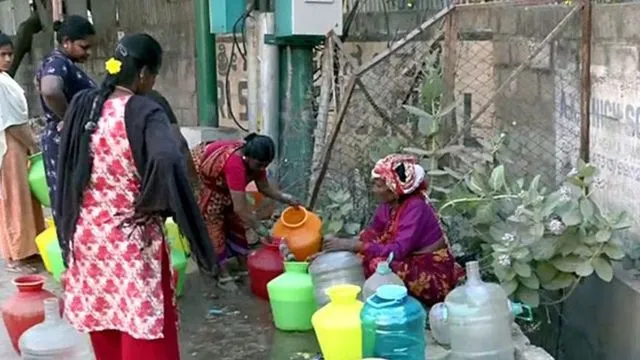
Bengaluru Water Crisis: Bengaluru, the world’s fastest-growing technology hub and home to over 13 million people is currently grappling with a severe water crisis. Several factors have contributed to this situation of unprecedented water shortage including lack of rainfall, dependence on groundwater, and rapid urbanisation among others.
According to water experts, the residents may face the worst water crisis in the coming months of April and May, when the summer sun is at its peak. Meanwhile, Karnataka Chief Minister Siddaramaiah on Monday held a high-level meeting to discuss the water crisis in the southern state, especially in Bengaluru. The chief minister asserted that they had enough water stored in the Cauvery and Kabini to last till the end of June.
"I have instructed all private tankers, including of Karnataka Milk Federation (KMF), for supplies to slums, upland areas, and bore well-dependent areas. It has been instructed to increase the number of control rooms and supply water to those areas as soon as complaints are received," the Karnataka CM said.
Recommended For You
Here Are Some Factors That Have Contributed To The Bengaluru Water Crisis:
- Rapid Urbanisation: Bengaluru, once known for its lakes and greenery, has transformed into the country’s IT capital, resulting in the depletion of water resources. The rise in concrete surfaces and population has increased dependence on groundwater recharge, thus resulting in a shortage of water.
- Lack Of Rainfall: Inadequate rainfall is one of the prominent factors contributing to a shortage of water in the IT hub. The city has faced drought due to a shortage of rain, which also led to a dip in water levels of the Cauvery River.
- Rise In Population: According to reports, Bengaluru’s population has tripled to 13.6 million, resulting in a rise of unplanned townships on lakes and green belt areas. More people means more demand for water, and with limited resources, it is difficult to meet the water requirements for the majority of people.
- Depletion Of Water Resources: With the rise in population, people are dependent on various water bodies including groundwater, borewells, and native rivers to meet their daily requirements. However, the massive dependence on native rivers including Vrushabhavathi has reduced them to drainage channels. People are also fulfilling their water requirements from distant sources like the Cauvery River, a reservoir nearly 100 kilometres away.
- Rising Pollution In Water Bodies: Several lakes and water bodies of Bengaluru, which once replenished groundwater and served as water sources, have become contaminated. Urban development has contaminated these water sources with sewage and industrial waste, making them unfit for the water supply.