
- By Raghav Gupta
- Thu, 14 Dec 2023 05:03 PM (IST)
- Source:JND
Migratory birds in India arrive from various parts of Europe and Asia during the winter months to escape colder climates. These birds are an important part of the ecosystem and are now facing the threat of extinction due to human-induced climate change.
What Is Bird Migration?
This migration is a regular seasonal journey undertaken by various species of birds throughout the world. The movements of these birds are affected by weather, habitat, or food availability. These factors are often influenced by climate change that damages the ecosystem, hence brings new obstacles in their seasonal journey. These obstacles cause a significant damage to the number of bird species as well as having a strong effect towards the ecosystem of the areas covered by these migrations.
Why Do Birds Migrate?
Birds migrate to different lands to find warmer places that offer greater amount of food and safety for their species. Many birds also move to different lands for the sake of reproduction and nesting in a richer and safer environment that offers them the best conditions for expansion.
Primary Challenges Faced By Most Migratory Birds
Some of the primary challenges faced by migratory birds due to climate change include:
Food shortages usually occur due to the early development of warm spring temperature in some regions that cause an early arrival of birds. This leads birds to breed, plants to bloom and insects to hatch earlier than they should hence disrupts that natural cycle. The disruption causes mismatched timing for the development of these creatures which causes a reduction of food or nutrition for all species, hence causing a damage to its population.
Loss of habitats is a primary threat to migratory birds as their journey often covers long distances to arrive at regions with suitable survival conditions. Climate change has caused these habitats to be in danger of change and possible even disappear due to increasing temperatures, desertification, or flooding. For example, certain species of migrating birds use coastal wetlands for nesting and foraging for food. These birds rely on such areas for providing rest and food for continuing their long journey. However, climate change through increase in temperatures has led to rising sea levels which has flooded these habitats causing major losses for these birds and animals.
Competition for breeding places occurs due to decreased number of suitable habitats. An example of this can be seen from how resident bird species weather though mild winters rather than migrating to different areas which generates competition between resident and long-distance migratory birds. This results in long distance migratory birds finding their breeding grounds occupied by resident birds which increases competition for food and breeding grounds.
Popular Types Of Birds Migrating To India
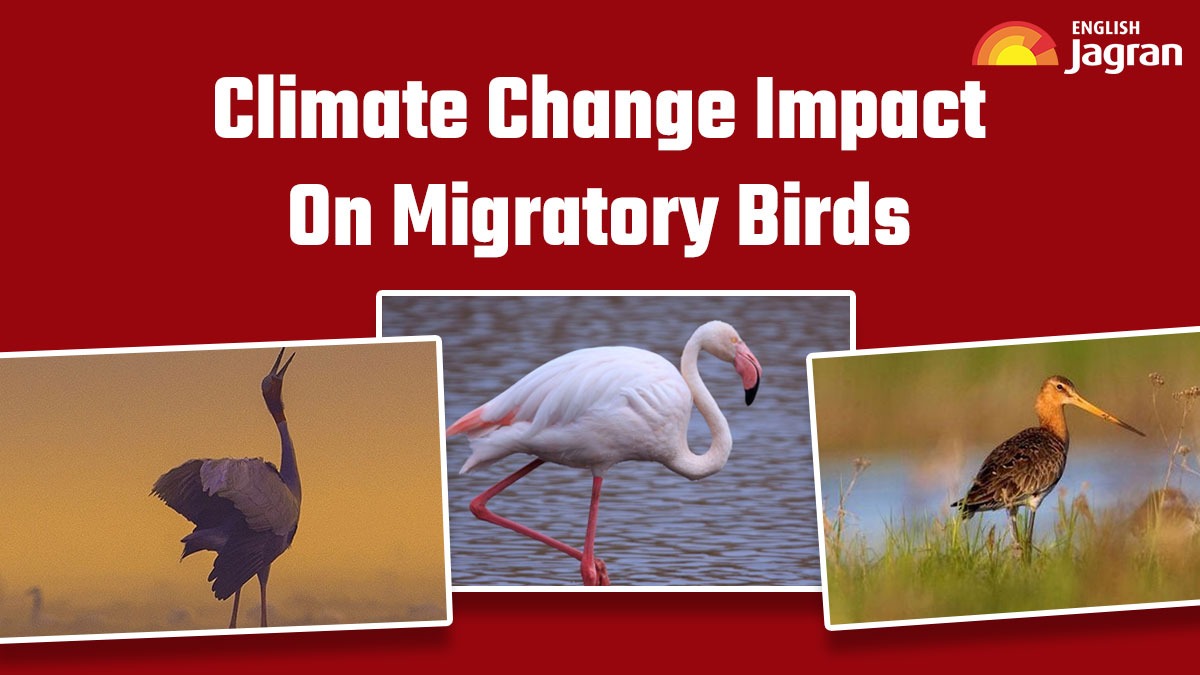
Black Stork is a bird with long red beak and legs which mainly looks like regular storks with black feathers instead of white. These birds nest in Europe, mainly in Czech Republic where they use different migration routes to travel to North and Northeastern parts of India such as Punjab to down south in Karnataka and even Shri Lanka. A large number of these creatures also travel to South Africa which allows these species to cover a wide variety of terrain to escape the cold winter season of Europe.
Greater Flamingos are exotic pink colored birds with long neck and legs that journey from Flamingo City to Rann of Kutch’s Anda Bet Island. These creatures are very fussy and breed in ideal conditions only, they are known to breed one every three years. This species is primarily facing threats from diseases that increasingly spread with great intensity due to increased heat in flamingo habitats around the world.
Black tailed Godwit, much like their namesake, possess black tails along with long straight beaks. These birds make a long journey from Iceland or Russia to North India. These creatures prefer habitats like marshes, lakes and island pools with mud and muck that houses insects and frogspawn for their food consumption.
Bluethroat is a beautiful species of bird that resembles a sparrow and has distinct blue feathers below its neck. During the winter months, these small palm sized creatures migrate all the way from Europe and Alaska to Rajasthan to avoid the harsh freezing winters. These birds primarily feed on insects and would often return to their homeland in April for the breeding season.
Siberian Crane is a pure white and black feathered bird with distinct bare red skin connecting from its eyes to its black colored beak, this is an endangered species which much like its namesake nests within western Siberia through the year. Every winter these creatures would make a near 4000-mile journey to India and can mainly be found in the Keoladeo Ghana National Park or the Bharatpur National Park, which is recognized as a world heritage site due to the long journey made by these birds.
Top 5 Places To Find Migratory Birds In India
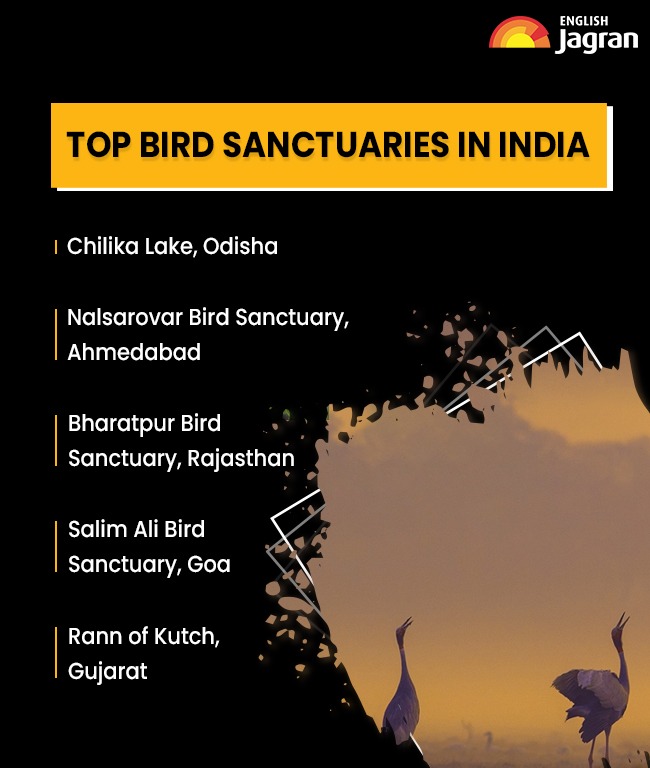
(Credit: Rajasthan Tourism)
Bird Species In India Face Decline
The species of birds as a whole are facing a rapid decline over the years due to various manmade factors such as climate change and pollution.
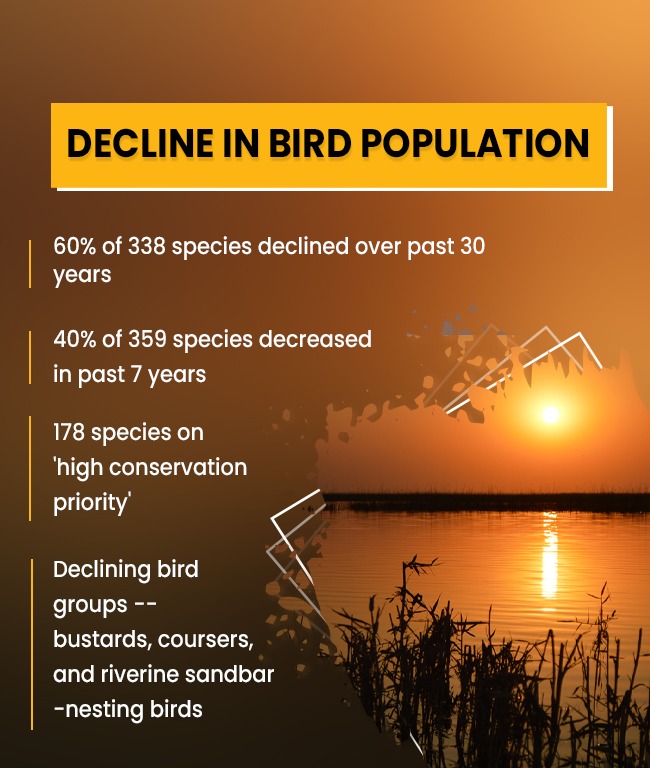
(Credit: Nalsarovar.com | Data Credit: State of India's Birds Report)
A recent report titled ‘State of India's Birds’ draws attention to alarming declines in bird populations across the country. The study, based on data gathered from approximately 30,000 birdwatchers over the last 30 years, reveals that 60% of the 338 bird species examined have experienced a significant decrease. For the evaluation spanning seven years, 40% of the 359 species assessed showed a decline. The analysis employed three key indices, focusing on changes in abundance over time and distribution range size within India.
Of the 942 species evaluated, long-term trends for 338 species were identified, indicating that 204 have declined, 98 remained stable, and 36 increased. Current annual trends were established for 359 species, with 142 displaying a decline, 189 remaining stable, and 28 increasing. The report, collaboratively published by 13 government and non-government institutions, designates 178 species, including Northern Shoveler and Indian Courser, as "high conservation priority." Notably, 14 species, such as Indian Roller and Common Teal, facing a 30% or more decline, warrant reconsideration for the IUCN Red List.
The study highlights the thriving status of generalist species like the feral Rock Pigeon and Ashy Prinia, while habitat specialists, particularly those in grasslands, wetlands, and woodlands, face rapid declines. Additionally, carnivores, insectivores, and granivores experience more significant declines compared to omnivores or fruit-and-nectar eaters. The report emphasizes the vulnerability of migratory species and those endemic to the Western Ghats-Sri Lanka region. Specifically, certain bird groups, including bustards, coursers, and riverine sandbar-nesting birds, are faring poorly, indicating critical conservation challenges for India's avian biodiversity. The report was compiled by institutions such as the Bombay Natural History Society, Wildlife Institute of India, and Zoological Survey of India.
How Is The Migration Beneficial To The Ecosystem?
In this era of climate change, bird migration has become ever so important to protect the damaged ecosystem. These migratory birds play essential and indispensable roles in nature by maintaining the biodiversity and prevent overpopulation or extinction of species. Biodiversity plays an important role in balancing and creating healthy ecosystems that provides us with clean air, water and food. If ecosystems are gigantic machines, then various species serves as mechanical parts that maintain and support the entire structure that all life depends on. The journey made by these creatures helps with dispersal of seeds which helps maintain biodiversity and provide fertilizer along their routes of travel through their droppings. These actions not only help balance the food availably in nature but also nurtures plants by acting as natural fertilizer. Birds are insectivorous creatures that help maintain the ecosystem by preventing the overpopulation of insects through hunting or raising their brood which acts as a natural pest control against insects and other organisms harmful to the environment and crops.
Another major benefit of these birds is that they help scientists analyze the state of the environment in areas of their travel. Due to their seasonal journey, migratory birds are excellent detectors of their living environment. By monitoring their movements and living patterns, experts can determine changes in the various environments that are visited by these creatures throughout their journey.
Author’s Take
I believe that climate change has had a major impact on migratory birds which represents a major threat to our ecosystem in the long run as these birds play a major role in the maintenance of ecosystems throughout the world. Losing these species to climate change can become a major factor in the destruction of many beautiful and essential habitats that currently support a constant supply of fresh air, food and water enjoyed by the human population. The various environment-based holiday destinations and hikes that we currently enjoy would soon lose its charm with an overflow of insects and lack of plants infecting such vibrant and beautiful environments. Damage to such ecosystems will also cause soil erosion, increase in pests as well as destruction of agricultural crops which will have a major impact on the agricultural industry and food availability. To prevent this, it is important for us to increase our awareness regarding the delicate balance that is being held to support the current ecosystems of India that are ravaged by pollution, overpopulation and land development for industrial purposes.