
- Delhi sees 20% rise in waterborne illnesses post-rains.
- Contaminated water, food cause gastroenteritis, typhoid, hepatitis.
- Experts advise boiled water, hygiene, ORS for prevention.
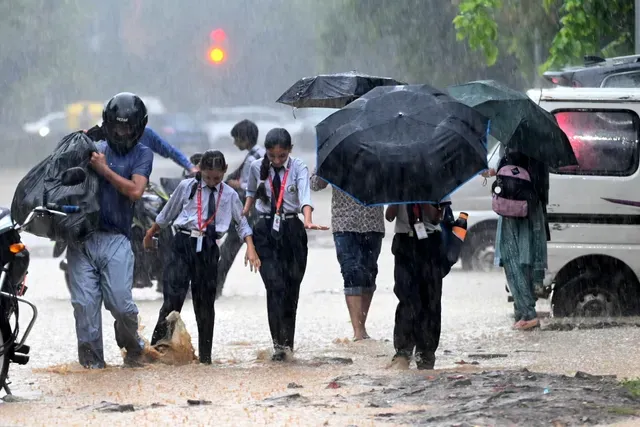
Jagran Correspondent | New Delhi: Waterborne illnesses have surged across the national capital following days of relentless rainfall, with local hospitals reporting a 20 percent spike in cases. Residents are increasingly reporting symptoms of gastroenteritis, including severe diarrhea, vomiting, abdominal pain, and high fever. Health experts warn that heavy downpours have heightened the risk of viral infections and stomach ailments triggered by contaminated food and drinking water.
According to Dr Ramesh Meena, Associate Professor of Medicine at RML Hospital, the change in weather shift has led to an increase in patients with allergic rhinitis, viral hepatitis, gastroenteritis, and skin allergies in the OPD. He explained that contaminated water or contaminated food can cause diarrhea and gastroenteritis, which can lead to dehydration and electrolyte deficiencies.
Experts say that the risk of infection may increase due to untreated sewerage water entering the water supply pipelines during the rainy season or the use of contaminated water. Food items sold in the open and stored for long periods can also be a cause. In June, cases of typhoid, diarrhea, norovirus, and other waterborne infections were reported in the Gulmohar Park area after complaints of contaminated water.
Recommended For You
Contaminated Water Increases Risk Of Many Diseases
According to AIIMS experts, contaminated water during the monsoon season increases the risk of cholera, typhoid, hepatitis A, hepatitis E, amoebiasis, giardiasis, and acute diarrhea caused by E. coli and Salmonella. The main symptoms are diarrhea, vomiting, abdominal pain, fever, and dehydration. Some infections can also lead to jaundice.
Children Are At High Risk
Diarhhea among children under five years of age is a symptom of dehydration. During the Delhi government's Health Department's Stop Diarrhea 2024 campaign, 35,309 children were identified with diarrhea. These children were given ORS and zinc.
Doctors said that water and electrolyte depletion should be avoided in the case of diarrhea or vomiting. ORS can be given. If symptoms such as frequent vomiting, very little or no urination, high fever, blood in the stool, extreme weakness, or sunken eyes appear in children, a doctor should be contacted immediately. Antibiotics or anti-diarrheal medications should not be taken without medical advice.
What’s the advisory?
Health experts have advised residents to take strict precautions against waterborne and seasonal illnesses by ensuring they drink only boiled or safely filtered water. To prevent the spread of infections, doctors emphasise the importance of maintaining hand hygiene by washing hands thoroughly with soap after using the toilet and before eating. Citizens are also urged to avoid consuming cut fruits or uncovered food items sold in the open and to strictly refrain from using contaminated water in waterlogged areas. In cases of diarrhoea, medical professionals recommend administering Oral Rehydration Salts (ORS) immediately and seeking