
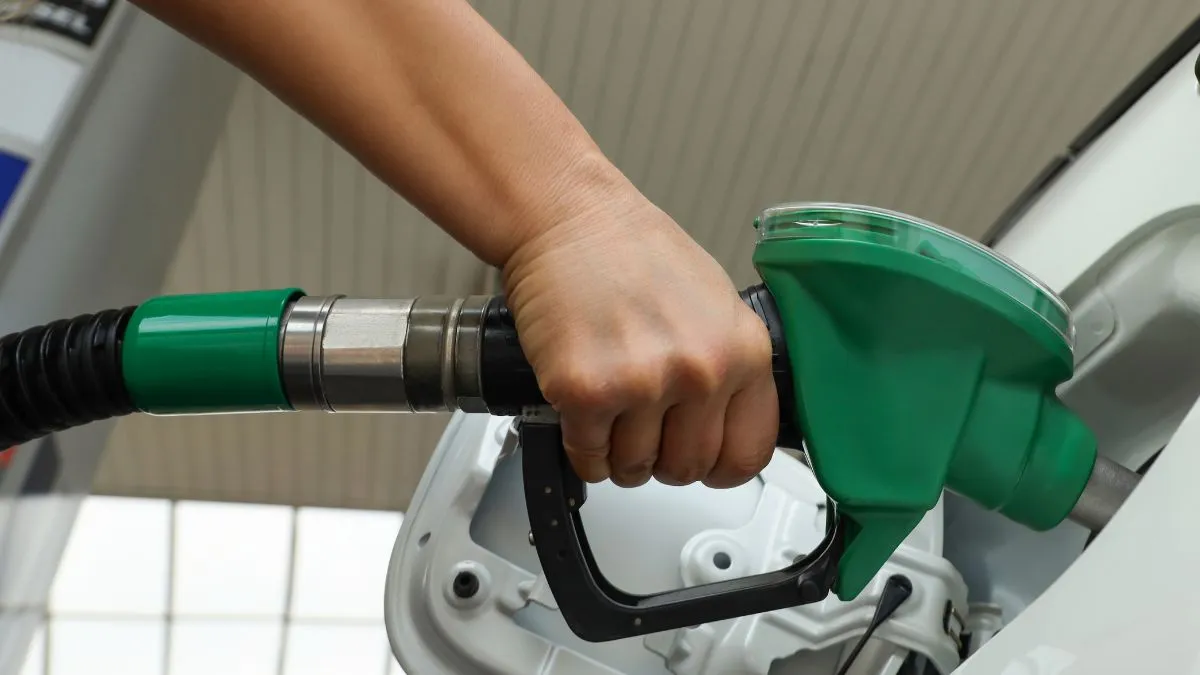
The Central government on Friday cut excise duties on petrol and diesel by Rs 10 per litre each. The prices went down to as low as Rs 3 per litre of petrol and zero for each litre of diesel.
The relaxation comes with worries of rising prices amid the energy crisis affecting the global stage. The hikes comes amid the US-Israel-Iran war and the blockade of the Strait of Hormuz by Tehran.
The Strait of Hormuz is a significant energy supply channel for the world. Prior to the war, the water body ranked fifth of global seaborne crude oil and gas - between 20 and 25 million barrels of crude and about 10 billion cubic feet of gas per day - was shipped via the narrow maritime channel.
The waterbody is a crucial supply route for India, with an estimation of 40 to 50 per cent of crude oil imports. The strait acts as a supply space of at least 2.2 and 2.8 million barrels per day.
India also imports considerable amounts of gas from West Asia; an estimated 16 to 17 per cent of LNG, or liquified natural gas, exported by Qatar and the United Arab Emirates is purchased by Delhi.
ALSO READ: Stock Market Today: Sensex Down 925 Points, Nifty Trades below 23,600 On Crude Price Spike
Will The Oil Prices Really Fall?
Experts say that major oil companies may not pass on the benefit of the slashes of duty to the customers. These major oil companies have been absorbing the impact of surging crude oil prices in recent weeks amid the ongoing conflict in West Asia, NDTV reported.
The oil companies are losing Rs 48.8 per litre of petrol or diesel sold as Brent crude prices continue to surge. The global benchmark crossed 100 dollars-per-barrel red line after the US-Israel war on Iran and the Strait of Hormuz blockade.
Recommended For You
It is crucial to note the timing of the declaration too. It comes a day after Nayara Energy raised petrol and diesel prices, underlining the pressure on fuel retailers.
Instead of immediately lowering prices in such a scenario, businesses can decide to use the duty relief to stabilize margins or recoup previous losses. This implies that even though the government has lowered its tax component, consumers could not immediately get the full benefits.
Crude oil prices around the world continue to be the primary factor affecting fuel costs. Amid the ongoing geopolitical threats and supply uncertainty, Brent crude is still trading above 100 dollars per barrel.
There is less opportunity for oil corporations to lower retail pricing as long as crude prices stay high. Any further increase in hostilities might surge the oil prices once again, significantly straining fuel prices.
The excise duty cut serves more as a warning than a direct price reduction in this volatile situation. Instead of compelling a decrease in retail rates, it gives oil corporations some leeway to control expenses without instantly raising prices.