
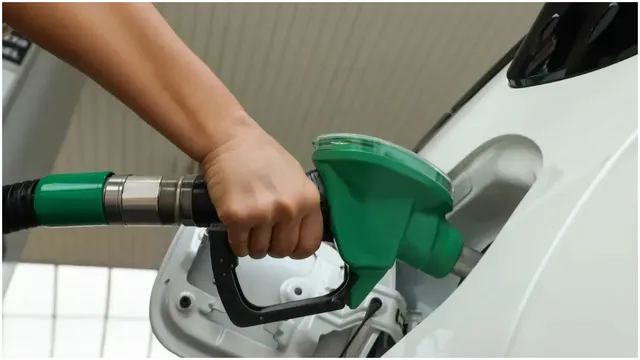
The Central government is reportedly considering ramping up alcohol blending in petrol to introduce a new variety of fuel, E85 (flex fuel), with 85 per cent ethanol and 15 per cent petrol. The plan was initially envisaged in 2016, but the government now wants to get the ball rolling as conflict in West Asia has triggered an oil crisis.
According to a report by The Hindu, citing a senior government official in a report as saying that the Centre is likely to issue draft rules soon for the rollout of E85. "Draft regulations will be notified very soon. There is consensus within the government. There is also market consensus, and preliminary testing has also been carried out," the official was quoted as saying.
New fuel would require new engines
However, the implementation of such a plan would take a few years, as the introduction of E85 would require engine tweaks, and mandating flex fuel for non-flex fuel vehicles would cause corrosion in engines.
Recommended For You
The non-flex-fuel engines, the existing ones, are not capable of handling such high alcohol content and so will lead to damage to seals and hoses, poor performance and problems with starting the engine.
ALSO READ: E20 Petrol With Minimum RON 95 Mandatory Across India From April 1; Check Benefits, Vehicular Impact
An ET Auto report also cited an official saying that the draft notification was ready and would be issued soon.
"A draft notification to allow 85% ethanol blending in fuel is ready and will be issued shortly," the official said, adding that "market consensus has already been achieved, even preliminary testing of vehicles for E85 has been done."
Mandatory E20 and concerns
E85, reportedly, would be introduced as a separate grade of fuel from the existing E20. E20 variant blending can go up to 27 per cent. With effect from April 1, 2026, the sale of E20 petrol has been made mandatory across India, as per the orders of the Central government.
The move had triggered a widespread resentment among consumers, who flagged issues of compatibility with the existing engines and the introduction of compulsion without alleged consideration of consumers' concerns.
The government has been pushing ethanol blending to reduce dependence on foreign fuel, as India imports approximately 90 per cent of its oil requirements.
While petrol is purchased from outside the country, ethanol is produced domestically from sugarcane, maize or grains. It is renewable and burns cleaner than pure petrol.
In recent years, India has scaled up its ethanol production with new facilities across India, especially in Uttar Pradesh, Maharashtra and Tamil Nadu.