
- By Akansha Pandey
- Thu, 12 Mar 2026 11:17 PM (IST)
- Source:JND
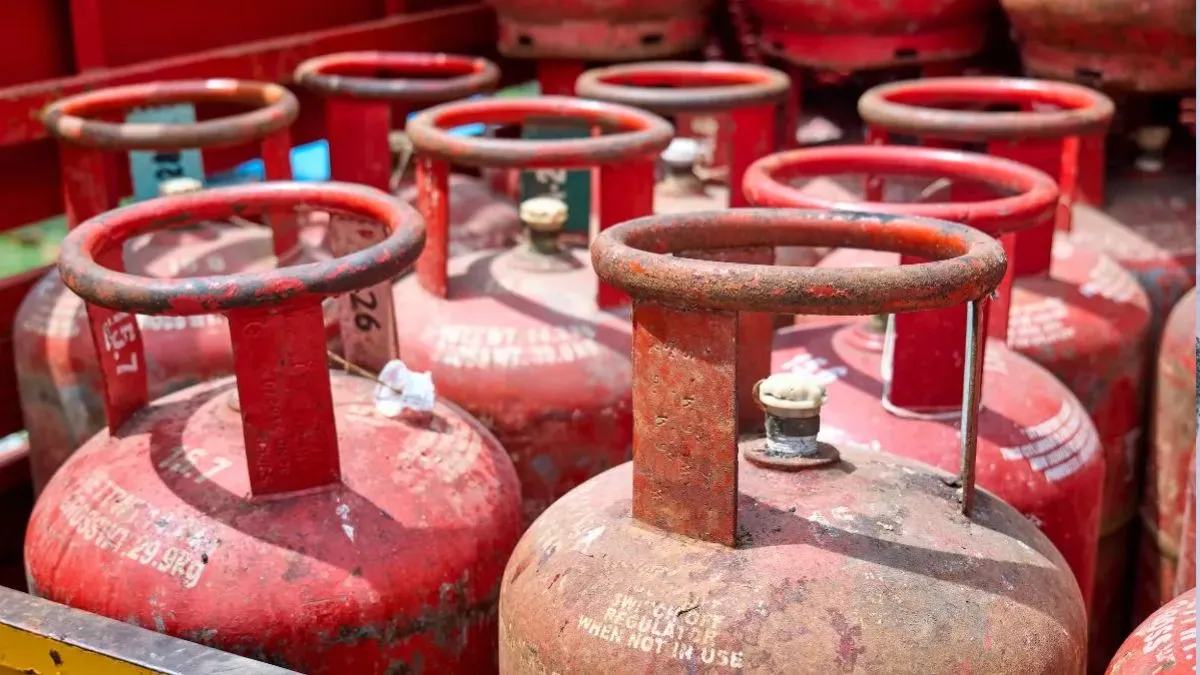
The rising geopolitical instability in Middle East resulted the shortage of LPG in country, due to which citizens are facing black-marketing of LPG and unavailability of gas cylenders. In response to this conditions the Union Government has initiated proactive measures to secure the nation's energy supply. The Ministry of Petroleum and Natural Gas has directed states to release an additional 48,000 kiloliters of kerosene to mitigate potential fuel gaps.
Typically, government oil marketing companies (OMCs) allocate a quarterly quota of approximately 100,000 kiloliters of kerosene to states. This latest supplementary allocation is a direct response to the current global volatility.
Strategic Shift To Coal And Biomass
The Ministry of Coal has instructed India and Singareni Collieries Company to provide extra coal to states to alleviate the strain on domestic gas supplies. This move is designed to support non-domestic consumers, such as hotels and restaurants allowing them to utilise coal as a primary fuel source.
ALSO READ: Central Railway To Run 1,484 Summer Special Trains To Ease Holiday Rush | Check Expected Route
Furthermore, the Ministry of Environment, Forest and Climate Change has coordinated with State Pollution Control Boards to temporarily permit the use of coal, biomass, and kerosene in non-residential areas. While these fuels are often restricted due to environmental regulations, the government is prioritising energy flexibility to reduce the burden on LPG and other refined fuels.
Government Assures Adequate Petroleum Reserves
Union Minister for Petroleum and Natural Gas, Hardeep Singh Puri, addressed Parliament regarding the impact of the Middle East crisis on global energy chains. He emphasised that India maintains a robust supply of petroleum products, asserting that there is no shortage of petrol, diesel, kerosene, ATF or fuel oil.
"Our supply chains are functioning normally, and there is sufficient stock available at retail outlets across the country," Minister Puri stated, reassuring the public that PDS kerosene supplies have been reinforced.
Combating Panic Booking And Hoarding
During a press briefing, Sujata Sharma, Joint Secretary at the Ministry of Petroleum and Natural Gas, highlighted a sharp spike in LPG bookings driven by consumer anxiety. She urged citizens to avoid "panic booking" and to practice fuel conservation during this period of global uncertainty.
Key Supply Chain Statistics:
Retail Network: Nearly 100,000 fuel outlets are operational without "dry-outs."
LPG Distribution: Approximately 25,000 distributors are delivering 50 lakh cylinders daily.
Delivery Efficiency: The average time from booking to delivery for domestic LPG remains steady at 2.5 days.
To prevent black marketing, a three-member committee of Executive Directors from OMCs is currently overseeing allocations, with a specific focus on prioritising supplies for hospitals and educational institutions.
Domestic Production And Import Resilience
India is leveraging its position as the world’s fourth-largest refiner to buffer against international shocks. Refineries are currently operating at maximum capacity, with domestic LPG production increasing from 25 per cent to 28 per cent following a government mandate on March 9.
Despite the logistical challenges posed by the closure of the Strait of Hormuz, Joint Secretary Sharma confirmed that the government has successfully secured imports through alternative shipping routes. LNG cargoes are reportedly arriving almost daily, ensuring that supply remains consistent even if the regional conflict persists.