
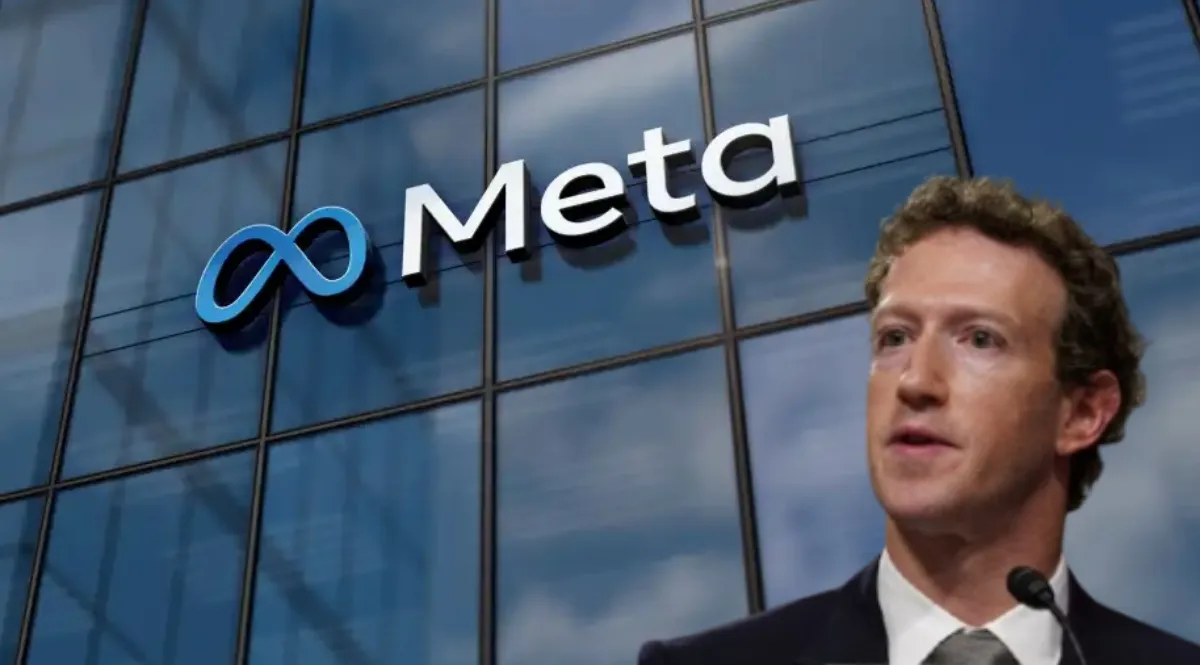
- Parliamentary panel issues ultimatum to Meta CEO Mark Zuckerberg.
- Threatens to revoke Safe Harbour protection under IT Act Section 79.
- Revocation means Meta executives face direct legal liabilities.
The controversy that started with the temporary removal of Prime Minister Narendra Modi's video from Facebook during the high-tension student protests in July has snowballed into a face-off between Meta and the government.
The Parliamentary Standing Committee on Communication and Information Technology has reportedly issued a three-day ultimatum to Meta CEO Mark Zuckerberg to apologise. Earlier in the day, parliamentary panel chairperson and BJP MP Nishikant Dubey met Meta officials in Delhi.
Dubey said, "Our committee has said two things and has clearly stated that the apology should come from Zuckerberg. If Zuckerberg does not give it, then the safe harbour protection under Section 79 should be withdrawn from him".
What is safe harbour protection?
Safe Harbour protection under Indian law is a legal provision that shields online platforms from liabilities arising out of the content created or posted by their users.
The protection is governed by Section 79 of the Information Technology (IT) Act, 2000. The aim is to prevent penalisation of intermediaries from legal and criminal liabilities for third-party content. Apart from social media platforms, the protection is provided to internet service providers and e-commerce websites.
Three conditions for protection
However, the protection is not sacrosanct, and the firms and platforms need to follow certain rules. There are three prerequisites to get the protection.
No active role: The intermediaries must not start the transmission, change the information or choose the receiver for controversial content.
Due diligence: The intermediaries like social media platforms, must follow the established rules, the IT Rules, 2021. The intermediaries also need to appoint grievance officials and publish compliance reports.
Strict compliance on 'actual knowledge': The firms and businesses need to remove or disable access to the objectionable content quickly after receiving "actual knowledge" of illegal content on their platform.
The Supreme Court has read down "actual knowledge" to mean a court order or government notification.
What Parliamentary panel's warning mean?
The Parliamentary panel does not have the power to revoke the protection but can make recommendations to the government, which in turn can take a decision.
However, the social media giant has the option to pursue the matter legally. The courts too have the authority to deny the defence granted under Section 79 if the platform fails to meet the conditions.
What changes if Meta's safe harbour is revoked?
Without the protection under Section 79 of the law, Meta and its executives across the platforms can face direct legal action and criminal First Information Reports (FIRs) for unlawful third-party content.
Besides, there would be a dramatic change in Meta's responsibilities from merely complying with takedown requests to defending themselves and their platforms against any claim arising out of the content posted on them.