

- By Akansha Pandey
- Tue, 06 Jan 2026 03:31 PM (IST)
- Source:JND
Punjab Chief Minister Bhagwant Mann has been summoned by the Sri Akal Takht, the supreme temporal seat of the Sikhs. He is scheduled to appear before the Akal Takht on January 15.
Meanwhile, the Chief Minister stated that he would visit the Sri Akal Takht barefoot and appear as a humble Sikh. Sharing his thoughts on social media, he described the site as a sacred place for every Sikh, affirming that he would accept and abide by whatever decision the Sri Akal Takht takes regarding him.
ਸ੍ਰੀ ਅਕਾਲ ਤਖ਼ਤ ਸਾਹਿਬ ਜੀ ਤੋਂ ਆਇਆ ਹੁਕਮ ਸਿਰ ਮੱਥੇ..
— Bhagwant Mann (@BhagwantMann) January 5, 2026
ਦਾਸ ਮੁੱਖ ਮੰਤਰੀ ਵਜੋਂ ਨਹੀਂ ਨਿਮਾਣੇ ਸਿੱਖ ਵਜੋਂ ਨੰਗੇ ਪੈਰ ਚੱਲ ਕੇ ਹਾਜਰ ਹੋਵੇਗਾ..
ਦਾਸ 15 ਜਨਵਰੀ ਨੂੰ ਦੇਸ਼ ਦੇ ਮਾਣਯੋਗ ਰਾਸਟਰਪਤੀ ਜੀ ਜੋ ਕਿ ਗੁਰੂ ਨਾਨਕ ਦੇਵ ਯੂਨੀਵਰਸਿਟੀ ਅੰਮਿ੍ਰਤਸਰ ਸਾਹਿਬ ਵਿਖੇ ਕਾਨਫਰੰਸ ਚ ਹਿੱਸਾ ਲੈਣ ਆ ਰਹੇ ਨੇ.. ਉਸ ਦਿਨ ਲਈ ਮਾਫੀ ਵੀ ਮੰਗਦਾ…
What Is The Matter?
The issue stems from Chief Minister Bhagwant Mann's allegations against the Shiromani Gurdwara Parbandhak Committee (SGPC) and the Akali Dal, accusing them of concealing their actions. If the charges against the Chief Minister are proven on January 15, he will have to undergo religious punishment. In doing so, Bhagwant Mann would become the third sitting Chief Minister, after the late Surjit Singh Barnala and Parkash Singh Badal, to serve such a punishment while in office.
In a statement, the Chief Minister alleged that these institutions were using the Sri Akal Takht Sahib and the 'Panth' (community) as a shield to hide their wrongdoings. This statement was made in the context of the case regarding the 328 missing 'Saroops' (scriptures) of Sri Guru Granth Sahib Ji.
He remarked that despite such serious irregularities, the lack of concrete action for a long time has caused immense anger within the Sikh community. Mann clarified that the state government, fulfilling its moral responsibility, has registered an FIR in this matter. Additionally, a Special Investigation Team (SIT) has been constituted for the probe. Following this statement, the Sri Akal Takht Sahib summoned the CM and ordered him to appear to provide an explanation.
What Is Sri Akal Takht?
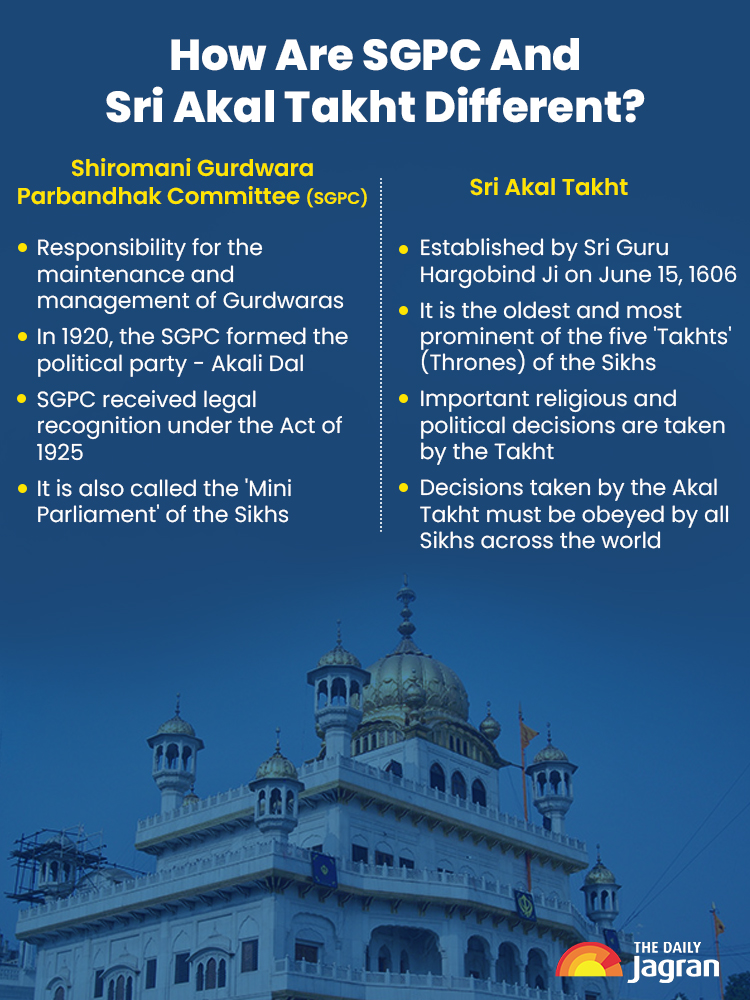
The Sri Akal Takht is the supreme political and judicial institution of the Sikhs. Its purpose is to guide the Sikh community regarding religious matters. 'Akal Takht' literally translates to 'The Throne of the Timeless One.' Akal means eternal (another name for God), and Takht is the Persian word for throne.
It is a grand structure located directly opposite the path leading to the Golden Temple. The Sri Akal Takht was established by Sri Guru Hargobind Ji on June 15, 1606 (now observed on July 2) as a center to address the spiritual and temporal concerns of the Sikh community.
It is the oldest and highest of the five Takhts of the Sikhs. 'Hukamnamas' (edicts) regarding any essential subject or dispute related to the Sikh religion are issued from here, which are binding for every Sikh worldwide to obey.
Who Has Received Punishment So Far?
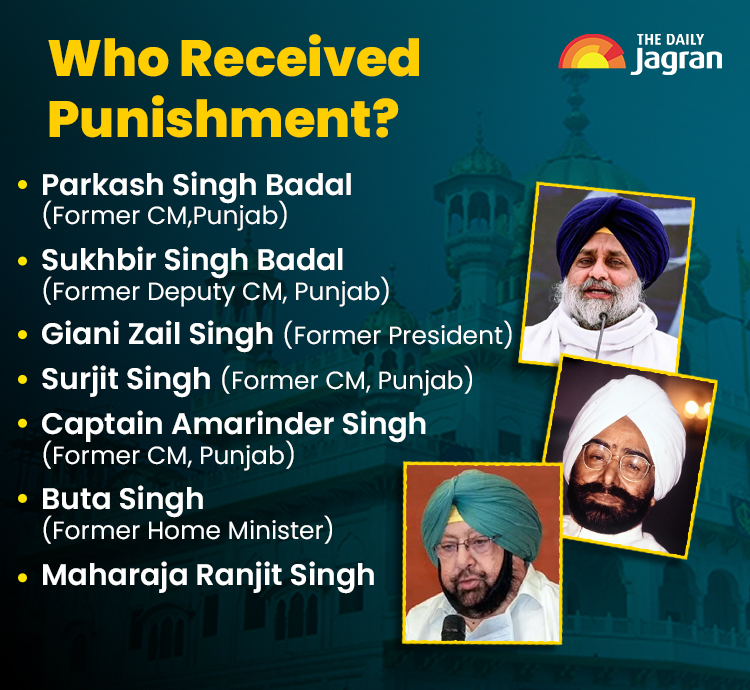
In 2024, the Sri Akal Takht declared several individuals, including Akali Dal President Sukhbir Singh Badal and former Chief Minister Parkash Singh Badal, as 'Tankhaiya' (guilty of religious misconduct).
1. Former CM Parkash Singh Badal: Parkash Singh Badal was not given a physical punishment initially but was declared Tankhaiya. In 2007, the then-Badal government took several actions viewed as religious misconduct, such as the pardon granted to Dera Chief Ram Rahim. From 2007 to the next 10 years, Sukhbir Singh Badal and fellow former ministers committed several acts considered religiously improper.
Punishment: Withdrawal of the 'Fakhr-e-Qaum' (Pride of the Community) honor.
2. Former Deputy CM Sukhbir Singh Badal: He was punished for religiously improper acts committed from 2007 over the subsequent 10 years.
Punishment: The Sri Akal Takht ordered Sukhbir Badal to clean the shoes of devotees and apologize with folded hands. On December 4, 2024, he was shot at, although he narrowly escaped the incident.
3. Former President Giani Zail Singh: Questions were raised about the role of then-President Giani Zail Singh regarding the 1984 Sikh riots. He was termed a mute spectator to the atrocities committed against Sikhs.
Punishment: Giani Zail Singh was forgiven after submitting a written apology.
4. Former Home Minister Buta Singh: Buta Singh was excommunicated from the Panth for his role in the government-led rebuilding of Harmandir Sahib during Operation Blue Star.
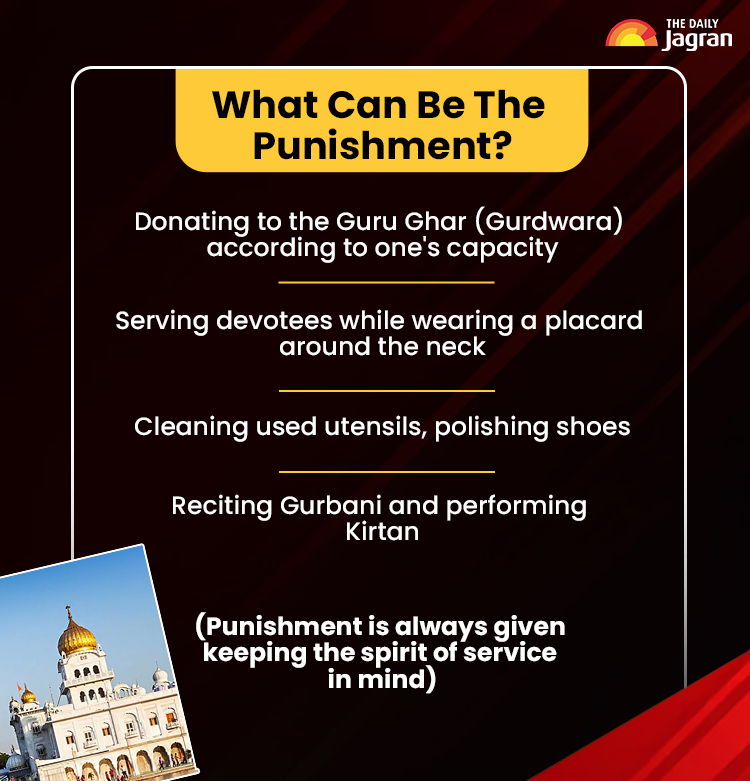
Punishment: Cleaning utensils and shoes at the Gurdwara.
5. Former CM Surjit Singh Barnala: In the 1980s, Chief Minister Surjit Singh Barnala was declared Tankhaiya for acting against the Panth.
Punishment: Religious punishment of hanging a placard around his neck reading "I am a sinner" and cleaning shoes.
6. Maharaja Ranjit Singh: Sher-e-Punjab Maharaja Ranjit Singh was of a religious nature. Once, he met a Muslim woman named Mora who expressed a wish for the Maharaja to visit her home. He obliged, but because of this act, he was declared Tankhaiya.
Punishment: At that time, Akali Phula Singh, the Jathedar of Sri Akal Takht Sahib, ordered lashes on the Maharaja's back. However, a fine was paid instead, after which the Maharaja was forgiven.
What Does Being Declared 'Tankhaiya' Mean?
Tankhaiya refers to being ostracised from the Sikh religion. Generally, this term can be understood as a social boycott (stopping shared meals and association). When a person is declared Tankhaiya, they are subjected to punishment. If an individual commits an inappropriate act contrary to Sikh tenets, the Sri Akal Takht declares them a Tankhaiya, after which they must undergo religious punishment (atonement) to be reintegrated.