

- By Ridam Sharma
- Mon, 12 Jan 2026 03:18 PM (IST)
- Source:JND
Understanding Irregular Bleeding: As January is regarded as the Cervical Cancer Awareness Month, making it the perfect opportunity to discuss the most talked-about concern, in the context of women's health, which is irregular bleeding. At some point, we all have been through this phase, due to hormonal changes, stress other significant reasons. However, the key is to know when irregular periods become concerning. On a global perspective, cervical cancer is recognised as the fourth most common cancer among women. In just 2022, more than 660,000 women were diagnosed, and around 350,000 deaths were reported due to this cancer. So, can irregular periods be the early warning sign of cervical cancer?
To know the same, we turned to Dr Radheshyam Naik, a founder, Medical Director and HEAD of Medical Oncology, Haematology and Bone Marrow Transplantation, Sammprada Hospital. According to him, “Irregular vaginal bleeding stands out as one of the most prevalent early warning signs. It might show up as light spotting between periods, bleeding after intercourse, periods that suddenly become much heavier or longer, or any bleeding at all after menopause.”
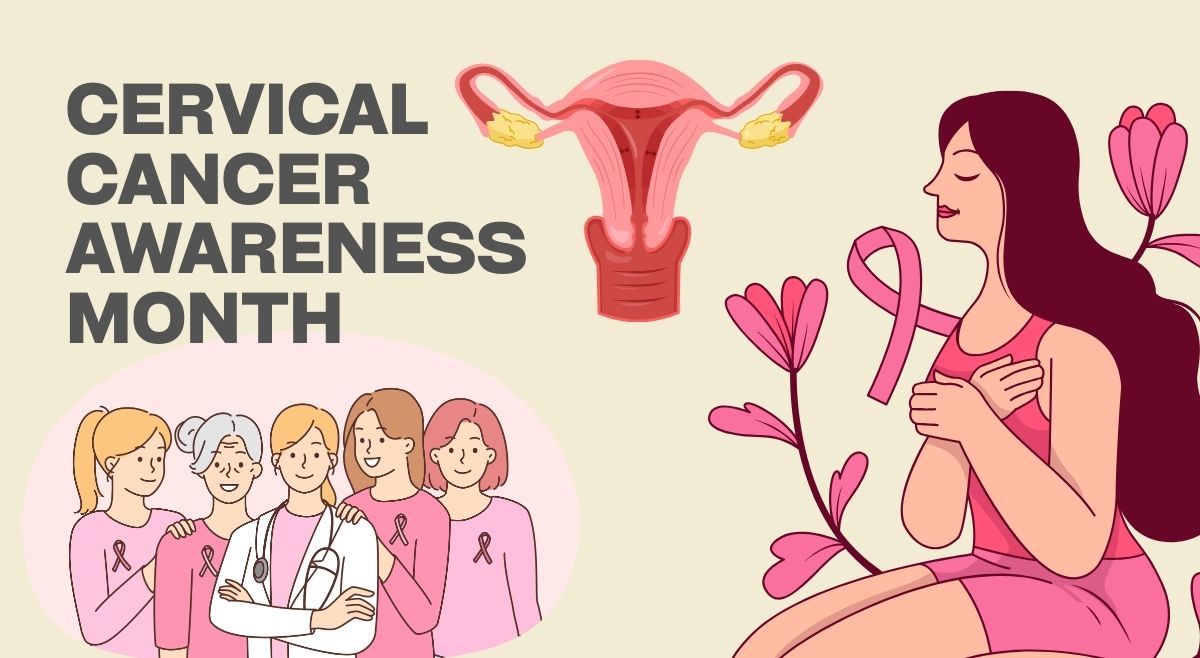
Cervical Cancer Awareness Month (Image Credit: Canva)
Additionally, Major health bodies such as the World Health Organization, the American Cancer Society, and the National Cancer Institute consistently identify abnormal vaginal bleeding as a classic symptom. The doctor states that “the bleeding occurs when cancerous or precancerous cells on the cervix disrupt fragile blood vessels. While irregular bleeding can also result from benign conditions like fibroids, polyps, infections, or hormonal imbalances, medical experts emphasise that it should never be dismissed without evaluation.”
Cervical cancer can result in no symptoms whatsoever when diagnosed at an early stage. However, advanced cervical cancer can result from an improper or delayed cervical cancer screening process. Cervical cancer usually takes 15 to 20 years for progression from precancerous changes to full cancerous growth. This gives an ample opportunity for treatment as well as an early cervical cancer detection process to be initiated.
Cervical Cancer Risk Factors
HPV Infection
Smoking
Early Initiation Regarding Sexual Habits
Full-Term Pregnancies
Oral Contraceptives
Immunodeficient System
Cervical Cancer Awareness Month is a significant opportunity to remind people about the success factors for the prevention of cervical cancer. According to Dr Radheshyam Naik, “HPV vaccines can prevent almost all cervical cancers among young women before they become sexually active. Screening through conventional Pap smear techniques, HPV tests, or simple visual techniques can help in the early treatment of abnormalities before they become cancers.”
Lastly, women with irregular menses, discharge, pain, or pain during intercourse should seek medical help immediately. Cervical cancer takes far too many lives every year, but it doesn’t have to. Awareness, vaccination, and paying attention to changes in the body can change the story for millions of women.