
- By Priyanka Munshi
- Sat, 15 Jun 2024 04:55 PM (IST)
- Source:JND
Understanding how menstrual hygiene affects vaginal health during menopause is essential for preserving overall health. A woman's body undergoes significant changes during menopause, one of which is a drop in estrogen levels. This can cause dryness, irritation, and an increased risk of infection in the vagina. Even as periods become irregular and eventually stop, maintaining good menstrual hygiene is crucial to avoiding these problems. Regular cleaning with warm water and mild, unscented soap helps preserve the natural balance of the vaginal flora, lowering the risk of bacterial and yeast infections.
Wearing comfortable, breathable underwear and avoiding harsh feminine hygiene products can also reduce irritation. Additionally, a balanced diet and adequate hydration support vaginal health by keeping tissues robust and moisturized. Women who are aware of these menstrual hygiene issues will be better equipped to handle the changes that come with menopause, protect their vaginal health, and improve their overall quality of life. In a conversation with Jagran English, Dr. Anusha Rao P, a consultant in obstetrics and gynecology at Yashoda Hospitals in Hyderabad, discussed menstrual hygiene and its impact on vaginal health during menopause.
According to Dr. Anusha, menstrual hygiene is crucial for maintaining vaginal health, particularly during menopause, when hormonal changes can make women more susceptible to infections and other issues. As women approach menopause, typically between the ages of 45 and 55, estrogen levels decline, leading to various physiological changes in the vaginal area. This hormonal shift can result in vaginal dryness, thinning of the vaginal walls, and a decrease in natural lubrication, all of which can increase the risk of infections and discomfort.
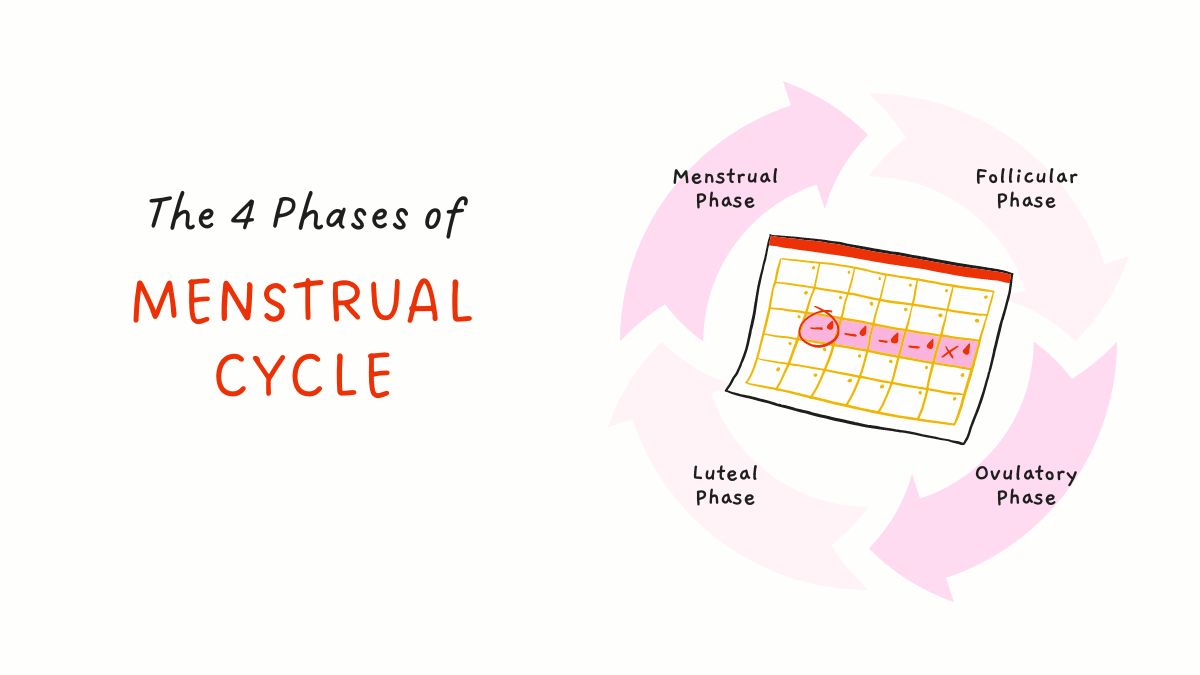
Menstrual hygiene plays a vital role in maintaining vaginal health during menopause.(Image Credit:Canva)
Proper menstrual hygiene during this time is essential to mitigating these risks. Using appropriate menstrual products, such as unscented and hypoallergenic pads or tampons, can help prevent irritation and allergic reactions. It is also advisable to change these products regularly to avoid bacterial growth that can lead to infections like bacterial vaginosis or urinary tract infections.
She further added that maintaining good genital hygiene is equally important. Regular washing with water and mild, unscented soap can help keep the vaginal area clean without disrupting its natural pH balance. It is crucial to avoid douching, as this can disturb the natural flora of the vagina, making it more susceptible to infections. Additionally, wearing breathable cotton underwear and avoiding tight-fitting clothes can help maintain a healthy vaginal environment by reducing moisture and heat buildup, which are conducive to bacterial and yeast growth.
By understanding these issues, women can better handle menopause changes, protect their vaginal health, and improve their overall quality of life.(Image Credit:Canva)
During menopause, women may experience irregular bleeding or spotting, which can make it challenging to anticipate menstrual hygiene needs. Keeping track of menstrual cycles and being prepared with the necessary hygiene products can help manage unexpected bleeding.
Lastly, Dr. Anusha said that menstrual hygiene plays a vital role in maintaining vaginal health during menopause. Proper use of menstrual products, regular and gentle cleaning, and appropriate clothing choices are essential practices. By paying attention to these aspects, women can reduce the risk of infections and discomfort associated with the hormonal changes of menopause. Regular medical check-ups are also important to address any concerns and ensure overall reproductive health during this transitional phase.