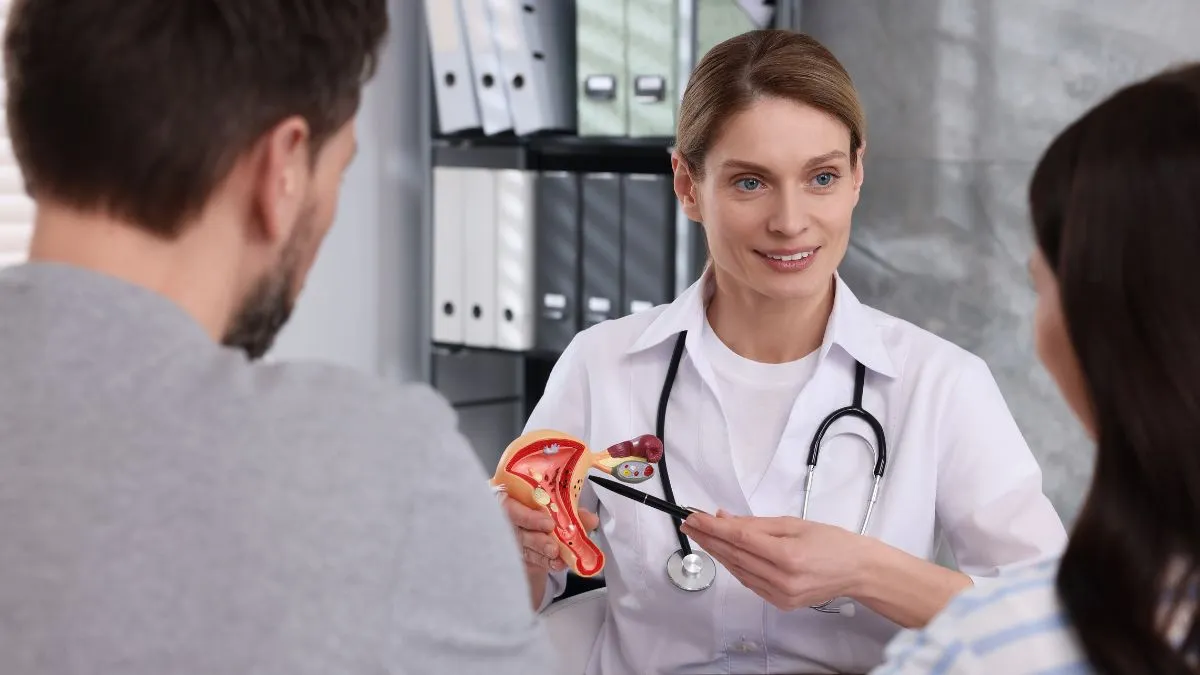
Sexual and reproductive health is a vital aspect of overall well-being, encompassing physical, emotional, and social dimensions. This comprehensive area of health includes not only reproductive functions and fertility but also sexual satisfaction, hormonal balance, and the ability to maintain healthy intimate relationships. Various diseases can negatively impact these functions, leading to complications such as infertility, hormonal imbalances, and sexual dysfunction.
These conditions can affect individuals at any age and may have both immediate and long-term consequences for their reproductive capabilities and sexual wellness. The impact of these health issues extends beyond physical symptoms, often affecting mental health, relationship dynamics, and overall quality of life. While many conditions affect reproductive health, let’s explore some of the most significant ones and their impacts on sexual and reproductive wellness. In a conversation with Jagran English, Dr. Kshitiz Murdia, CEO & Co-Founder of Indira IVF, discussed how various diseases impact sexual and reproductive health.
How Different Diseases Impact Sexual And Reproductive Health
Sexually Transmitted Infections (STIs)
STIs such as chlamydia, gonorrhea, syphilis, and HIV/AIDS directly affect sexual and reproductive health. If left untreated, STIs can lead to infertility, pelvic inflammatory disease (PID), ectopic pregnancy, and chronic pain. HIV/AIDS weakens the immune system, making individuals more susceptible to opportunistic infections that may further compromise reproductive health. Regular screening and safe sex practices are essential for prevention.
Recommended For You
Polycystic Ovary Syndrome (PCOS)
PCOS is a common endocrine disorder affecting up to 10% of women of reproductive age. It causes hormonal imbalances, irregular menstrual cycles, and anovulation (failure to release eggs), potentially leading to infertility. Women with PCOS are also at higher risk of developing insulin resistance, obesity, type 2 diabetes, and cardiovascular diseases. Early diagnosis and lifestyle modifications can help manage symptoms and improve fertility outcomes.
Also Read: Leukemia In Children: Early Signs And Detection Explained By Doctor
Endometriosis
Endometriosis is a chronic condition where tissue similar to the uterine lining grows outside the uterus. This leads to severe menstrual pain, inflammation, and scarring, which may affect fertility. Endometriosis can also cause pain during intercourse (dyspareunia), impacting sexual health and quality of life. Treatment options include hormonal therapy, pain management, and surgical interventions when necessary.
Diabetes
Diabetes significantly impacts both male and female reproductive health. In men, it can lead to erectile dysfunction, reduced sperm quality, and lower testosterone levels. In women, diabetes can cause irregular menstrual cycles, an increased risk of miscarriage, and pregnancy complications such as gestational diabetes and preeclampsia. Strict blood sugar management and regular medical monitoring are crucial for maintaining reproductive health.
Cardiovascular Diseases
Cardiovascular diseases, including hypertension and atherosclerosis, can lead to reduced blood flow to reproductive organs. In men, this commonly results in erectile dysfunction, while in women, it may cause decreased sexual arousal and discomfort during intercourse. Additionally, certain cardiovascular medications can impact libido and sexual function. Regular exercise and heart-healthy lifestyle choices can help prevent these complications.
Cancer And Its Treatments
Cancers affecting the reproductive organs (ovarian, cervical, testicular, and prostate) can significantly impact sexual and reproductive health. Treatments such as chemotherapy, radiation, and surgery may cause temporary or permanent infertility, hormonal imbalances, and reduced libido. Fertility preservation techniques, including egg or sperm freezing, should be discussed before beginning cancer treatment. Post-treatment sexual health counseling can help address ongoing concerns.
Autoimmune Diseases
Autoimmune diseases like systemic lupus erythematosus (SLE) and rheumatoid arthritis can affect fertility and pregnancy outcomes. Lupus increases the risk of miscarriage, preterm birth, and pregnancy complications, while rheumatoid arthritis can cause fatigue and joint pain that impact sexual activity. Careful medication management and close monitoring during pregnancy are essential for better outcomes.
Obesity And Metabolic Disorders
Obesity and metabolic disorders significantly impact reproductive health in both men and women. In women, obesity is linked to irregular menstrual cycles, anovulation, and an increased risk of pregnancy complications, including gestational diabetes and hypertension. In men, it can lead to lower testosterone levels, reduced sperm quality, and erectile dysfunction. Weight management through proper diet and regular exercise is crucial for improving reproductive outcomes.
Also Read: How Elderly People Can Prevent Heart Disease Without Surgery – Expert Insights
Prevention And Management
Many diseases affecting sexual and reproductive health can be prevented or managed through:
- Regular health screenings and check-ups
- Maintaining a healthy lifestyle with proper nutrition and exercise
- Safe sexual practices and STI prevention
- Stress management and mental health care
- Early intervention when symptoms arise
- Compliance with prescribed treatments
- Open communication with healthcare providers
Finally, Dr. Kshitiz Murdia emphasized that understanding these conditions and their impacts on sexual and reproductive health is crucial for making informed decisions about one's well-being. Regular medical consultation, preventive care, and appropriate lifestyle modifications can help maintain optimal reproductive health throughout life.