
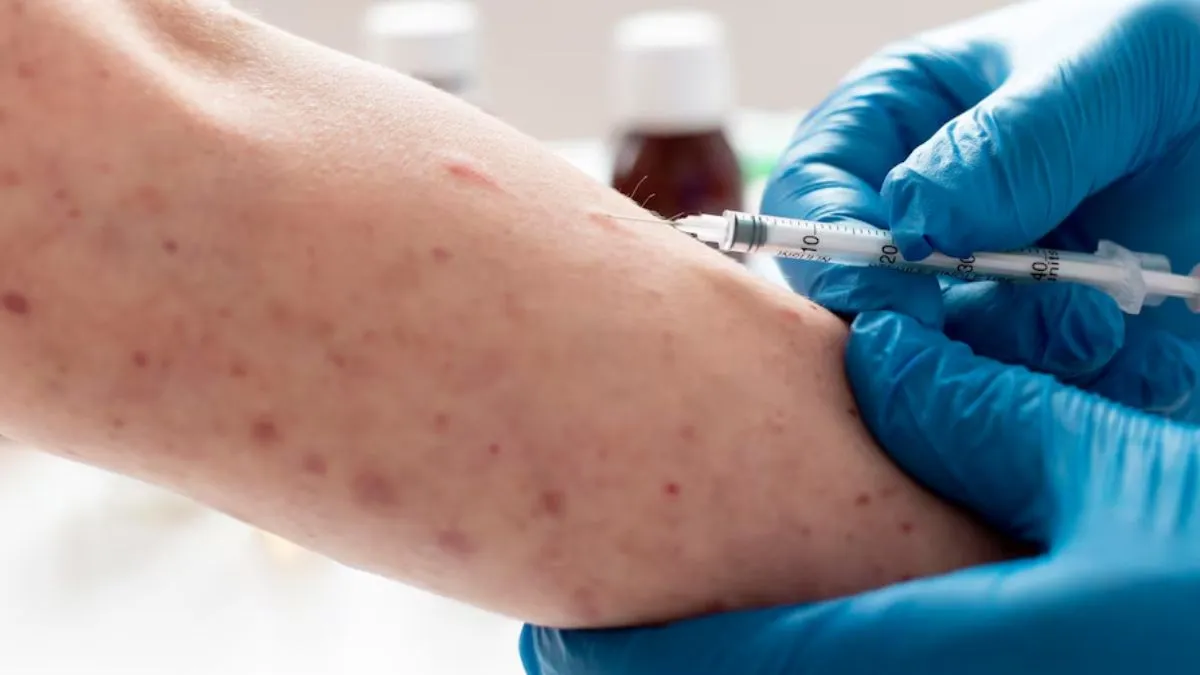
Mpox Virus: Declared a global health emergency, concerns related to mpox have been on the rise across the globe. Mpox, also known as monkeypox, is a zoonotic virus that was first identified in 1958 in research monkeys and later in humans in 1970. It is a rare disease caused by a virus, which leads to rashes and flu-like symptoms.
Mpox is similar to smallpox and usually spreads through close contact with someone who is already infected with the virus. But you can also get the virus from an infected animal. Let’s explore how contagious this virus is, how it spreads and who is at a higher risk of getting infected.
How Contagious Is Mpox Virus?
Depending on the infection stage and the type of interaction with infected people or animals, the contagiousness of mpox can change. The transmission may vary depending on the three stages of infection which include incubation period, symptomatic period and risk factors for the spread.
Recommended For You
Incubation Period: Mpox takes five to twenty-one days to incubate, averaging seven to fourteen days. An infected individual can transfer the infection throughout this period even if they are symptomless.
Symptomatic Period: The symptomatic phase, which includes the time when the typical rash, fever and other symptoms are present, is when people with Mpox are most contagious. Once the rash has healed and the scabs have dropped off, there is less chance of the virus spreading.

Mpox Virus Transmission (Image Credits: Freepik)
Risk Factors For Spread: Close physical contact with an infected person increases the risk of transmission, especially in environments with inadequate hygiene standards. Inadequate access to healthcare and crowded living situations might also aid in the virus's spread.
Who Is At Higher Risk Of Mpox?
- Direct contact with animal blood, bodily fluids, or lesions.
- Handling animals or their products without adequate protective measures.
- Higher prevalence of the virus in local wildlife and human populations.
- Increased probability of exposure through everyday activities or local customs.
- A weakened immune response makes it harder to combat infections.
- Increased risk of severe disease progression and complications.
- Potential direct exposure to infectious materials or body fluids.
- Regular communication with patients when the illness is still exhibiting symptoms.
- Increased likelihood of exposure through physical contact or shared items.
- Higher risk of transmission in crowded or unsanitary conditions.

It's essential to recognise those who are more susceptible to contracting mpox for efficient prevention and control. A higher risk group includes people who work in healthcare, are in close contact with infected humans, have compromised immune systems, are in endemic regions, travel to impacted areas, are in close contact with infected animals and have limited access to healthcare. Reducing the spread of mpox and lessening its effects on vulnerable populations can be achieved by designing public health initiatives with these high-risk groups in mind.