
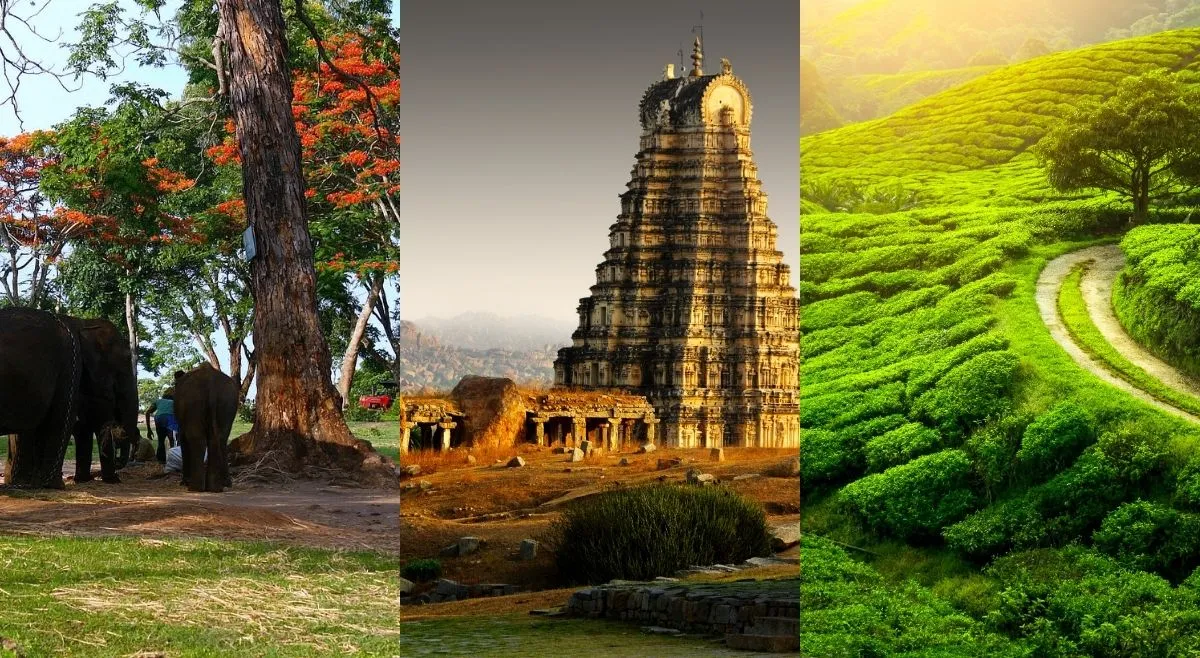
The smell of wet earth in the air, rivers roar with fresh life, and summer’s dust is completely washed away. Yet, the highways are open and clear. Post-monsoon, spanning September through November, is India’s ultimate travel sweet spot.
You get vibrant landscapes and crisp air without the washed-out roads of peak rains or the sky-high rates and suffocating crowds of peak summer and winter season.
5 Beautiful Places In India To Explore After Monsoon
Everything is lush, the dust is washed away, but the roads aren't washed out. For those looking for lower prices and fewer crowds. Here is a list of 5 beautiful places in India to explore after the monsoon:
Name | Location | Key Places |
Munnar | Kerala | Lock Heart Gap, Anamudi Peak |
Coorg | Karnataka | Abbey Falls, Iruppu Falls, Cauvery River (Barapole) |
Udaipur | Rajasthan | Lake Pichola, Fateh Sagar, Swaroop Sagar, City Palace, Jag Mandir |
Hampi | Karnataka | Tungabhadra River gorges, Vitthala Temple complex, Matanga Hill |
Valley of Flowers | Uttarakhand | High Himalayan peaks, Alpine trekking trails |
1. Munnar, Kerala
By September to early October, the heavy downpours taper into light, passing drizzles, leaving Munnar’s endless rolling tea plantations washed in an almost surreal emerald saturation.
The Post-Rain Visual: The air is so clear that the morning mist completely burns off by 10 AM, opening up razor-sharp, wide-angle views of Anamudi Peak and the surrounding valleys.
The Experience: Walk through the cleansed tea estates of Lock Heart Gap when the leaves are glossed with dew. If you time it right during late post-monsoon cycles, you might even catch spots of mountain slopes blooming with wildflowers against the deep green backdrop.
2. Coorg, Karnataka
When the monsoon recedes, 'The Scotland of India' trades torrential downpours for roaring waterfalls and high-energy river currents.
Key Attractions: Waterfalls like Abbey and Iruppu are at full volume, while the Cauvery River surges, creating ideal conditions for white-water rafting near Barapole.
The Experience: Coffee estates are in their most vibrant phase, with plump green berries lining the bushes. The high contrast of dark wet soil, bright green canopy, and churning white rivers makes this an absolute goldmine for drone and action-landscape photography.
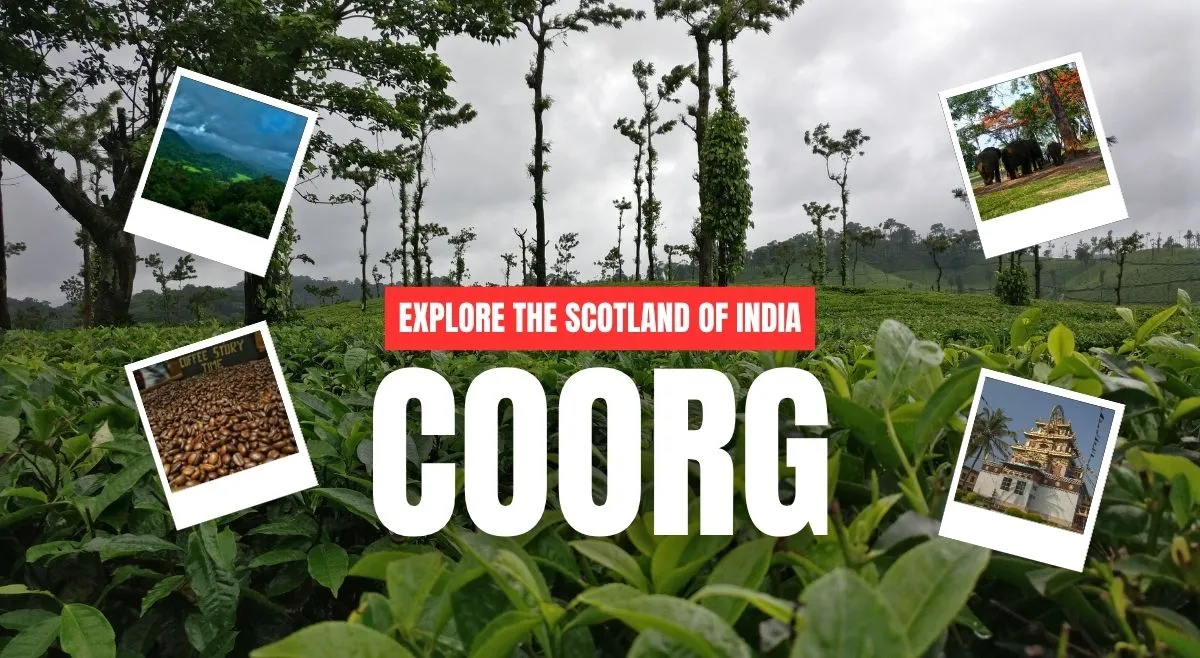
Coorg (Image Credit: Canva)
3. Udaipur, Rajasthan
Forget the dusty desert tropes; post-monsoon Udaipur is an aquatic architectural wonder. Monsoon rains fill Lake Pichola, Fateh Sagar, and Swaroop Sagar. As the ambient humidity drops, the water surfaces calm into giant, crystal-clear mirrors.
The Experience: The City Palace and Jag Mandir cast crisp, dramatic reflections across the water day and night. You get the cool evening breeze off the lakes without the oppressive monsoon humidity or the mid-winter tourist congestion.
4. Hampi, Karnataka
Hampi’s rugged, boulder-strewn landscape undergoes a startling transformation right after the rains that most tourists completely miss.
A Photographer’s Goldmine: The Tungabhadra River surges through the granite gorges in full flow, creating a dramatic contrast between rushing water, bright green banana plantations, and ancient, Ochre-hued stone ruins.
The Experience: Exploring the Vitthala Temple complex or climbing Matanga Hill for sunrise is far more comfortable now. The scorching summer heat hasn't returned, and the rain has washed the centuries-old stonework clean.
ALSO READ: 5 Low-Crowd Indian Getaways With Perfect October Weather
5. Valley of Flowers, Uttarakhand
While peak tourism surges in July and August for the primary floral bloom, September and early October offer a brief, magical transition window before the park closes for winter.
The Autumn-Transition Gem: The valley shifts from brilliant pinks and blues to rich, golden-green alpine hues. The chaotic monsoonal mud settles, trails solidify, and the alpine skies clear up to reveal high Himalayan peaks in stark detail.
The Experience: You trade packed trekking trails for solitary wilderness. It’s ideal for high-altitude travellers looking to capture dramatic autumn light without navigating overflowing base camps.
ALSO READ: 5 South Indian Towns That Are Perfect For Slow Travel
Why Is Post-Monsoon A Good Time To Travel In India?
Here are 3 major reasons for post-monsoon being a good time to travel in India:
1. Affordable Cost and High Quality: Mid-range and luxury resorts offer shoulder-season prices (up to 20-40% less compared to December/January high season pricing).
2. Perfect Road Connectivity: In contrast to the peak monsoon period (July-August), landslides and flooding do not affect transportation in post-monsoon India; roads are washed, dried, and ready for travelling long distances.
3. Ideal Weather: Enjoy the greenness of the Indian territory after rainfall, coupled with cool temperatures and low humidity levels.
What To Expect From These Destinations After The Rains?
- Water-Filled Locations: Lakes, rivers and waterfalls are at their highest flow rate until October.
- Visual Maximum Greenery: Vegetation and landscapes are still saturated with maximum green colour before drying out at the end of winter.
- Wildlife Activity: National parks and sanctuaries are opened again with active wildlife movements around waterholes.
Post-Monsoon Travel Tips For India
Here are essential post-monsoon travel tips for a hassle-free trip in India:
1. Book Shoulder-Season Upgrades: Take advantage of reduced prices to stay at boutique hotels offering views of the river or valley.
2. Bring Layered Clothing: Although daytime weather is comfortable, evenings in the post-monsoon period, especially in hill stations (like Munnar or Uttarakhand), may cool down very quickly.
3. Monitor Local Water Levels in Rivers: When planning a water sport trip (for example, rafting in Coorg or a coracle ride in Hampi), check local water levels, because dams occasionally release overflow post-rain
FAQs
When does the monsoon typically end in India?
Monsoon usually starts withdrawing from North Western parts of India by mid-September and ends in the whole country by mid-October.
What kind of weather can I expect in India after the monsoon?
Pleasant, cool, dry weather can be expected in India after the monsoon season.