
- By Prerna Targhotra
- Wed, 29 Nov 2023 12:11 PM (IST)
- Source:JND
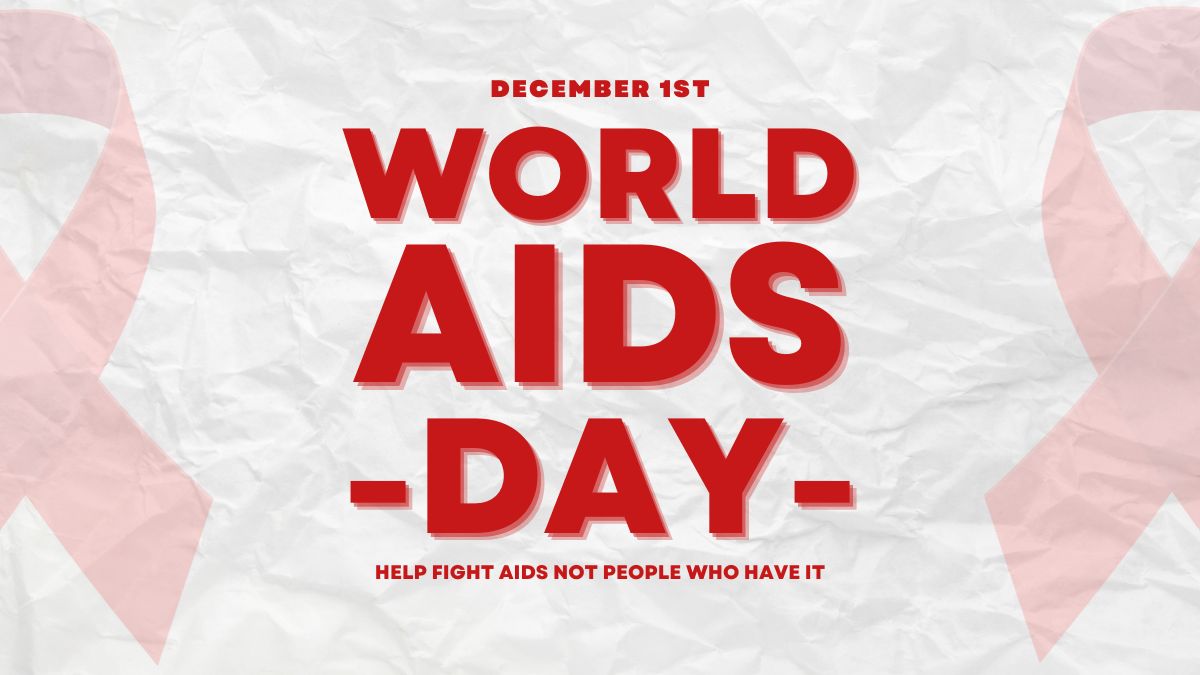
World AIDS Day 2023: The global health campaign of World AIDS Day is observed on December 1 every year to spread awareness about the sexually transmitted disease. It is an annual campaign that invites people to join the fight against HIV across the world. World AIDS Day is an international event dedicated to raising awareness of AIDS as a pandemic that affects millions of people worldwide. The first-ever World AIDS Day was observed on December 1, 1988, with the theme ‘let communities lead’ and since then has been observed every year.
Watch the video below about myths and facts of HIV-AIDS:
What Is AIDS?
According to WHO, Human immunodeficiency virus (HIV) is an infection that attacks the body’s immune system. Acquired immunodeficiency syndrome (AIDS) is the most advanced stage of the disease. HIV targets the body’s white blood cells, weakening the immune system. This makes it easier to get sick with diseases like tuberculosis, infections and some cancers.
ALSO READ: Pneumonia Outbreak In China: 5 Important Things You Should Know About This Respiratory Illness
How Does HIV AIDS Spread?
HIV spreads from an infected person’s body fluids that include blood, semen, breast milk and vaginal fluids. Most of us may think that it can spread through kisses and mere touch, but AIDS does not spread through kisses, hugs or sharing food.
Symptoms Of HIV
According to WebMD, most people don't know right away when they have been infected with HIV. But they may have symptoms within 2 to 4 weeks after they have gotten the virus. This is when your body's immune system puts up a fight. It's called acute retroviral syndrome or primary HIV infection. Early signs and symptoms of HIV include headache, fatigue, aching muscles, sore throat, swollen lymph nodes, red rash that doesn't itch, usually on your torso, fever and ulcers (sores) in your mouth, oesophagus, anus, or genitals.
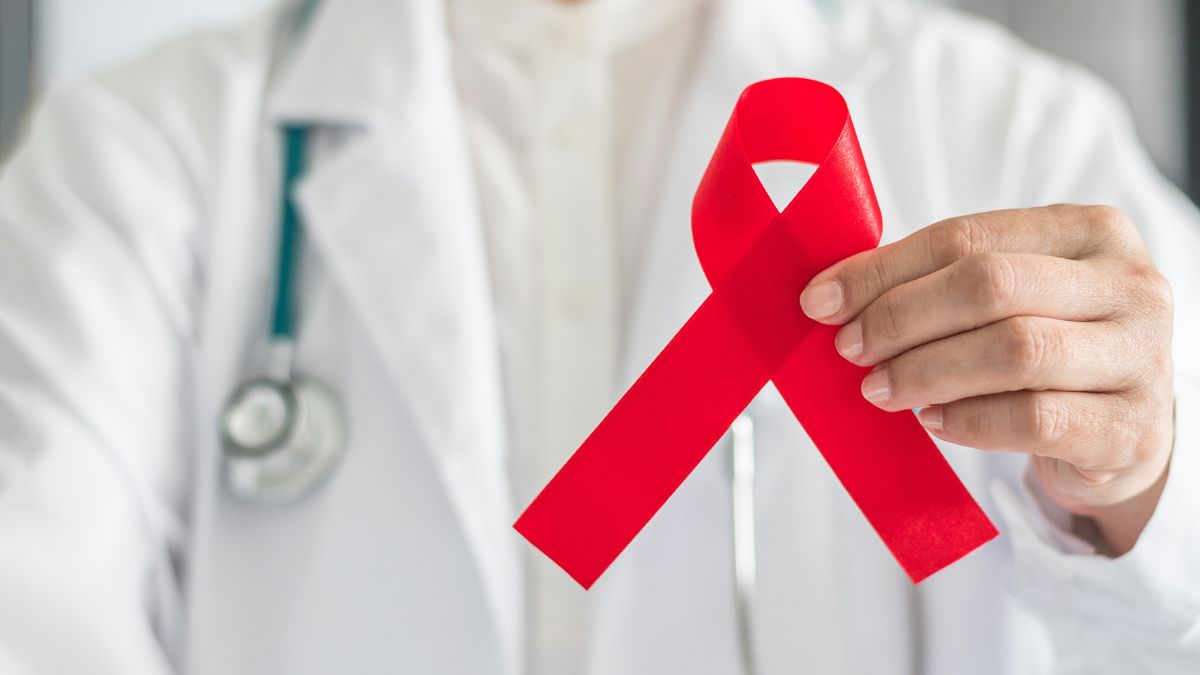
World AIDS Day is celebrated annually on December 1 (Image Credits: Canva)
Risk Factors
- Having condomless anal or vaginal s*x.
- Having another sexually transmitted infection (STI) such as syphilis, herpes, chlamydia, gonorrhoea and bacterial vaginosis.
- Engaging in harmful use of alcohol and drugs in the context of sexual behaviour.
- Sharing contaminated needles, syringes and other injecting equipment and drug solutions when injecting drugs.
- Receiving unsafe injections, blood transfusions, tissue transplantation, and medical procedures that involve unsterile cutting or piercing.
- Experiencing accidental needle stick injuries, including among health workers.
ALSO READ: WHO Releases New Guidance On HIV Viral Suspension At International AIDS Society Conference
(Disclaimer: This article is for informational purposes only. It is not a substitute for professional advice, diagnosis or treatment.)