

World Heart Day 2023: Today, on September 29, people from all across the globe are celebrating this special day to spread awareness about cardiovascular diseases and how they impact millions of lives. The theme for World Heart Day is “Use Heart, Know Heart” which focuses on knowing your heart and the factors that determine a healthy or unhealthy heart.
According to the British Heart Foundation, globally around 110 million men and 80 million women have coronary heart disease. Coronary heart disease kills an estimated nine million people each year, in 2019 it was the world's single biggest killer. Around 1 in 6 deaths globally are caused by coronary heart disease. One of the biggest steps in diagnosing and treating heart disease is understanding the causes and symptoms among men and women. Several studies show that men and women have unique heart disease risk factors and symptoms.
Watch the video below to learn about silents symptoms of heart attacks:
While shedding light on this, Dr. Ramji Mehrotra, Chief - CTVS, Cardiac Sciences, Cardiac Surgery (CTVS), Robotic Surgery, BLK-Max Super Speciality Hospital said that if we say heart diseases for both women and men, coronary heart disease is the largest contributor to cardiovascular disease (CVD) morbidity and mortality. It can develop and present in dramatically different ways across both sexes because of differences in the anatomy of the cardiovascular system and the site of development of cholesterol plaque.
Recommended For You
Risk Factors Of Heart Diseases In Men And Women
According to Dr Mehrotra, a decrease in the level of testosterone (cardioprotective) with age in men is one of the prominent risk factors for cardiovascular diseases. While, in females, there are several factors in the prevalence and effect of cardiovascular illnesses.
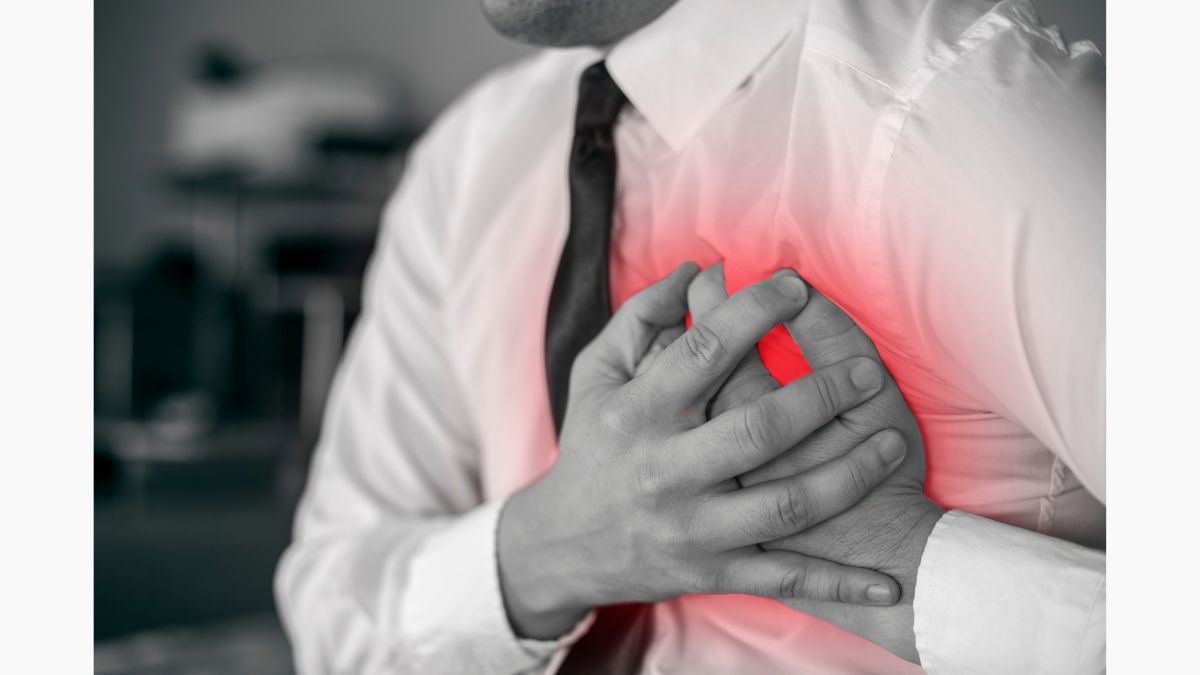
Men and women can experience varied sets of symptoms of a heart attack (Image Credits: Canva)
Risk Factors Of Heart Diseases In Women
- Low high-density lipoprotein cholesterol as compared to men.
- Women with diabetes have a 2-to-4- a fold greater risk for CVD compared to men.
- Some autoimmune conditions, such as systemic lupus erythematosus and Rheumatoid arthritis, which is more common in women than men, portends an increased risk of CVD due to chronic inflammation.
- Pregnancy-related conditions and disorders such as women who give birth prematurely, have recurrent pregnancy losses, or deliver small-for gestational age babies, and hypertensive disorders of pregnancy.
- Polycystic ovary syndrome has a higher risk of CVD due to insulin resistance, and metabolic syndrome.
- Premature menopause is associated with autonomic dysfunction, central adiposity, insulin resistance, and dyslipidemia leading to increased risk of CAD and heart failure.
ALSO READ: 6 Superfoods To Include In Your Diet For Heart Health | Whole Grains To Fatty Fish
Symptoms of Heart Disease In Men And Women
Dr. Mehrotra states that men and women share many of the same symptoms for heart disease and heart attacks. However, men are more likely to experience the well-known heart attack symptoms such as:
- crushing chest pain
- Squeezing, discomfort, or fullness in the chest
- Pain in the arm, jaw, or back
- Shortness of breath
- Cold sweat
- Nausea
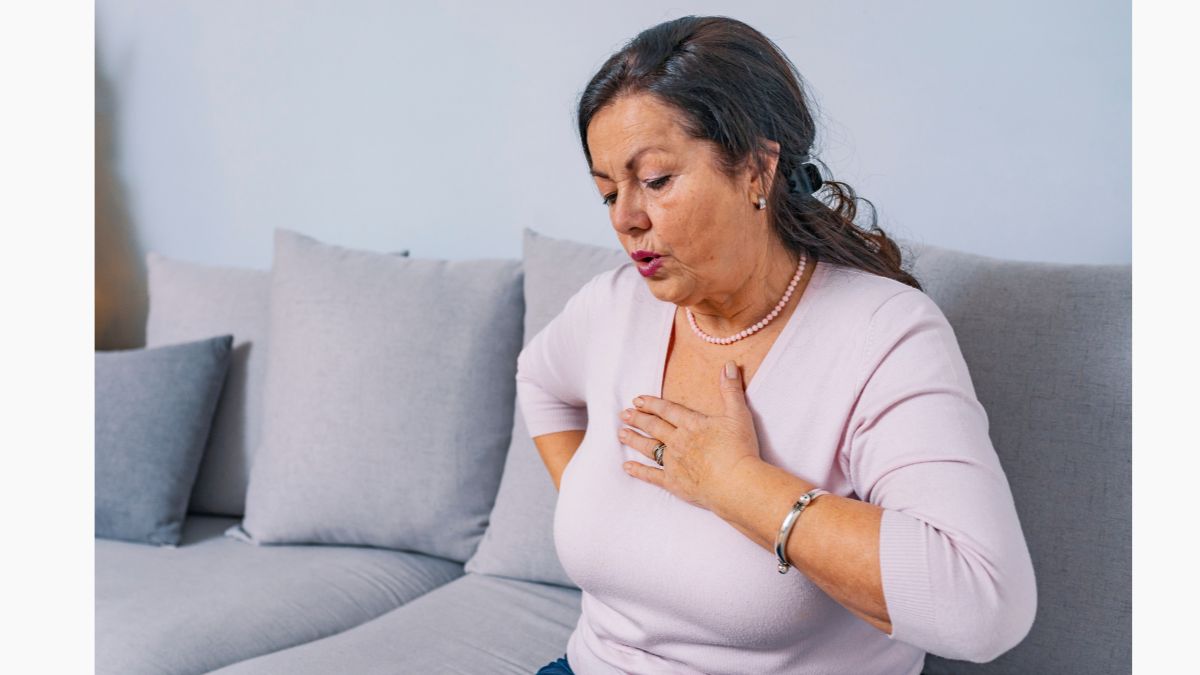
Symptoms of heart diseases in women (Image Credits: Canva)
Women are less likely to experience crushing chest pain. They have a higher chance of having the following symptoms instead:
- Pain in the jaw, neck, or chest
- Feeling faint or lightheaded
- Squeezing on the upper back
- Fullness, pressure, or squeezing in the centre of the chest
ALSO READ: World Heart Day 2023: Can blood Test Detect Heart Attack? Expert Explain
Identify the risk factors and the symptoms associated with heart disease as early as possible, go to the doctor, get checked and follow up, said Dr Mehrotra. About 90% of heart disease cases can be prevented with healthier lifestyle choices.