

- By Dr Sadhana Kala
- Thu, 13 Mar 2025 12:34 PM (IST)
- Source:JND
The kidneys are among the most vital organs in the human body, responsible for filtering waste, balancing fluids, regulating blood pressure, and maintaining overall health. Despite their importance, kidney diseases are often silent until they reach an advanced stage, making preventive care essential.
According to the World Health Organization (WHO), kidney diseases are among the leading causes of death worldwide, affecting millions of people. In India, an estimated 10% of the population suffers from chronic kidney disease (CKD), and over 100,000 new cases of end-stage renal disease (ESRD) require renal replacement therapy annually. The burden of kidney failure is increasing, with almost 210,000 new cases being diagnosed each year. The good news is that proper care and lifestyle choices can prevent or manage many kidney-related complications.
This article explores the secrets to maintaining healthy kidneys, providing practical and scientific-backed strategies to ensure optimal renal function throughout life.
1. Stay Hydrated: The Key to Kidney Health
Staying well-hydrated is the simplest yet most effective way to keep your kidneys healthy. Water helps the kidneys flush out toxins and prevents kidney stones and urinary tract infections (UTIs), which can lead to severe complications.
How Much Water Should You Drink?
-Adults: Aim for 8-10 glasses (2-3 liters) of water per day.
-Athletes & Hot Climates: Increase intake to compensate for water lost through sweat.
-Kidney Patients: If you have kidney disease, consult a doctor, as excessive water intake may be harmful.
A good indicator of hydration is urine color—light yellow is ideal, while dark yellow or amber indicates dehydration.

You should know how much water should you drink to maintain kidney health (Image:Freepik)
2. Follow a Kidney-Friendly Diet
A well-balanced diet can prevent kidney diseases and reduce the risk of conditions like diabetes and hypertension, which are major contributors to kidney damage.
Best Foods for Kidney Health
-Leafy Greens (Spinach, Kale, Cabbage): Rich in vitamins and antioxidants.
-Berries (Blueberries, Strawberries, Cranberries): Packed with anti-inflammatory properties.
-Fish (Salmon, Tuna, Mackerel): High in omega-3 fatty acids, which reduce inflammation.
-Garlic & Onion: Contain compounds that help detoxify the kidneys.
-Apples & Red Grapes: Great for lowering cholesterol and supporting kidney function.
Foods to Limit
-Excess Salt: High sodium intake can increase blood pressure and harm kidneys.
-Processed Foods: Contain harmful preservatives and excessive phosphorus.
-Sugary Beverages: Increase the risk of diabetes and obesity.
-Excessive Protein: While protein is essential, too much (especially from red meat) can strain the kidneys.
A low-sodium, moderate-protein, and antioxidant-rich diet supports kidney health in the long run.
3. Manage Blood Pressure & Blood Sugar Levels
Uncontrolled hypertension (high blood pressure) and diabetes are leading causes of kidney disease.
Tips to Control Blood Pressure:
-Reduce salt intake (less than 2,300 mg per day).
-Exercise regularly (30 minutes of moderate activity, 5 days a week).
-Maintain a healthy weight.
-Avoid smoking and excessive alcohol.
-Monitor blood pressure and take prescribed medications if needed.
Tips to Control Blood Sugar:
-Eat whole grains instead of refined carbohydrates.
-Exercise to improve insulin sensitivity.
-Monitor blood sugar levels regularly.
-Avoid sugary drinks and processed foods.
Maintaining blood pressure below 120/80 mmHg and blood sugar within normal ranges can significantly lower the risk of kidney damage.
4. Exercise Regularly & Maintain a Healthy Weight
Obesity increases the risk of kidney disease, hypertension, and diabetes. Regular exercise promotes good circulation, improves heart health, and reduces kidney strain.
Best Exercises for Kidney Health:
-Brisk Walking or Jogging: Helps maintain cardiovascular and kidney health.
-Yoga: Reduces stress, which can impact kidney function.
-Swimming & Cycling: Low-impact exercises that improve endurance.
-Strength Training: Helps maintain muscle mass and metabolism.
Aim for 150 minutes of moderate exercise per week to keep your kidneys and overall health in check.
5. Avoid Overuse of Medications & Painkillers
Non-steroidal anti-inflammatory drugs (NSAIDs) like ibuprofen, naproxen, and aspirin can cause kidney damage if used excessively.
Medication Tips for Kidney Health:
-Avoid self-medication; consult a doctor before taking painkillers regularly.
-If you have chronic pain, explore alternative pain relief methods like physiotherapy or herbal remedies.
-Take antibiotics only as prescribed, as overuse can harm the kidneys.
Long-term or excessive use of over-the-counter medications can lead to chronic kidney disease (CKD).
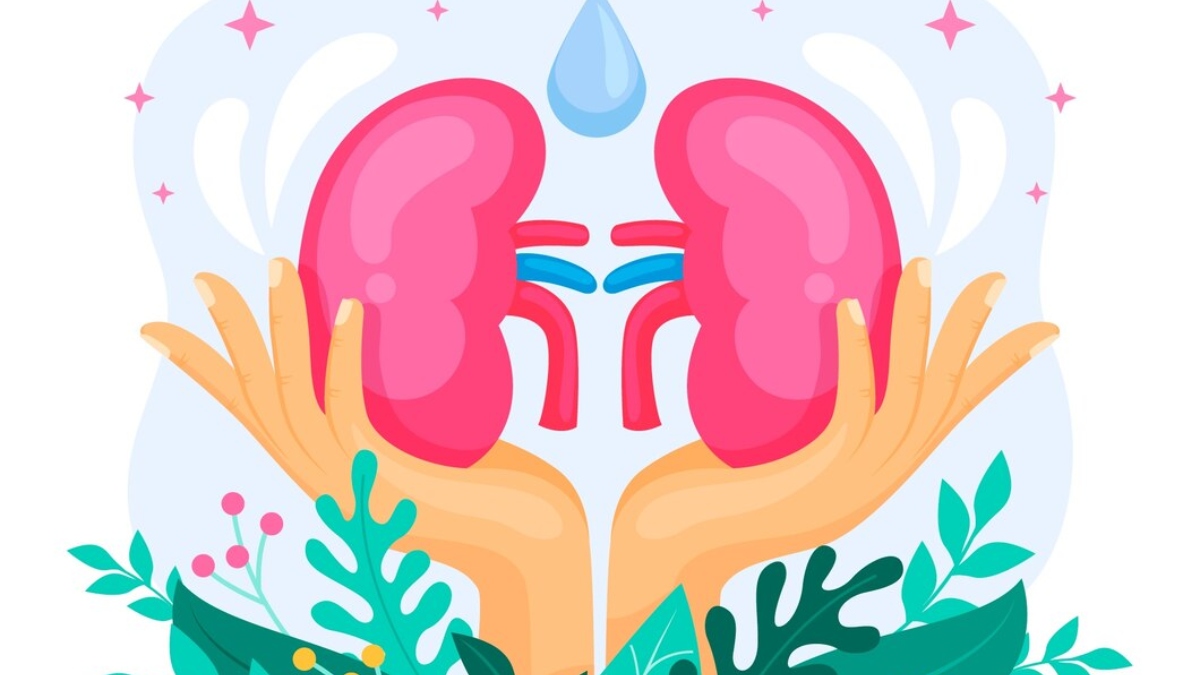
If you have risk factors like diabetes, hypertension, or a family history of kidney disease, get tested at least once a year. (Image:Freepik)
6. Get Regular Kidney Function Tests
Many kidney diseases progress silently, showing no symptoms until they are severe. Routine kidney function tests can detect issues early.
Important Kidney Tests:
-Blood Urea Nitrogen (BUN) & Creatinine Test: Measures kidney filtration.
-Urinalysis: Checks for protein, blood, or infections in urine.
-Glomerular Filtration Rate (GFR): Estimates kidney function levels.
-Blood Pressure Monitoring: Helps detect hypertension, a major kidney disease contributor.
If you have risk factors like diabetes, hypertension, or a family history of kidney disease, get tested at least once a year.
7. Quit Smoking & Limit Alcohol Consumption
Effects of Smoking on the Kidneys:
-Reduces blood flow to the kidneys, impairing function.
-Increases the risk of kidney cancer.
-Worsens existing kidney disease.
Effects of Excess Alcohol on the Kidneys:
-Dehydrates the body, stressing the kidneys.
-Increases blood pressure.
-Can lead to liver disease, which indirectly affects kidney health.
If you drink alcohol, limit consumption to 1 drink per day for women and two drinks per day for men.
8. Get Enough Sleep & Manage Stress
Sleep is crucial for overall health, including kidney function. Chronic stress and sleep deprivation can increase blood pressure, inflammation, and hormonal imbalances, all of which harm the kidneys.
Sleep & Stress Management Tips:
-Get 7-9 hours of quality sleep per night.
-Practice meditation, deep breathing, or yoga to reduce stress.
-Maintain a consistent sleep schedule.
-Avoid excessive caffeine or electronic screens before bedtime.
Proper rest allows the kidneys to repair and function efficiently.
9. Avoid Exposure to Toxins & Heavy Metals
Environmental toxins, pesticides, and heavy metals (lead, mercury, cadmium) can harm the kidneys over time.
Ways to Reduce Exposure:
-Drink filtered or clean water to avoid heavy metal contamination.
-Limit consumption of seafood high in mercury (swordfish, shark, king mackerel, marlin, tuna, and others).
-Use natural cleaning products to reduce chemical exposure.
-Avoid excessive use of chemical-based beauty products.
Reducing toxin exposure supports long-term kidney health and overall well-being.
10. Herbal Remedies & Natural Kidney Cleanses
Certain herbs and natural remedies support kidney detoxification and health.
Kidney-Friendly Herbal Teas:
-Dandelion Root Tea: Acts as a natural diuretic.
-Nettle Leaf Tea: Supports urinary health.
-Turmeric & Ginger Tea: Reduces inflammation.
-Lemon & Parsley Water: Helps flush toxins.
However, consult a doctor before using herbal remedies, especially if you have kidney disease or take medications.
Conclusion: Prioritizing Kidney Health for a Better Life
Kidney health is often overlooked until problems arise, but prevention is always better than cure. You can protect your kidneys and overall well-being by making conscious lifestyle choices—staying hydrated, eating a balanced diet, exercising, avoiding harmful substances, and getting regular check-ups.
Small changes today can lead to a lifetime of healthy kidneys, ensuring that these vital organs can efficiently filter, balance, and protect your body. Implement these secrets to your daily routine and enjoy a healthier, happier life!
(Note: Dr (Prof) Sadhana Kala is a USA-trained robotic & laparoscopic surgeon, Uppsala University, Sweden, trained fertility specialist, Icon Endoscopic Surgeon of North India, and National Icon Endoscopic Surgeon of India. She is rated as India's Best Gynecologist by Google.)
(Disclaimer: The views expressed in this article are the personal opinions of the author.)