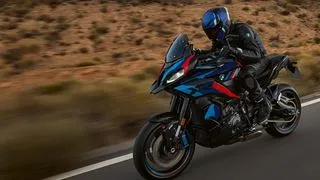
BMW M 1000 XR Launched In India: BMW Motorrad India has launched the new M 1000 XR in India at a price of Rs 45 lakh (ex-showroom). This bike is available as a fully built-up unit (CBU) and bookings are now open across the country. The Indian market is getting the M Competition variant, which comes with various carbon fibre parts like wheels, side panels and front wheel covers.
ALSO READ: Mahindra XUV3XO Bookings To Begin Tomorrow; Here's How You Can Book This SUV Online
BMW M 1000 XR - Design
In terms of appearance, the BMW M 1000 XR stands out with its striking design. It features a special high-gloss black paint that contrasts beautifully with the high-gloss carbon fibre side panels. The bike also sports BMW M division colours, adding to its appeal. The design of the M 1000 XR is sharp and sporty, highlighted by split LED headlights, a small windscreen and a sleek tail section. These elements give the bike an aggressive look, distinguishing it from its base model, the S 1000 XR.
BMW M 1000 XR - Features
The BMW M 1000 XR comes packed with advanced electronics, offering four ride modes: Road, Dynamic, Race and Race Pro with three settings. It also includes features like Dynamic Traction Control, wheelie control, launch control and Brake Slide Assist for controlled cornering. These settings can be accessed through the 6.5-inch TFT display.
BMW M 1000 XR - Engine Specs
Talking about the engine, the BMW M 1000 XR is powered by a 999 cc inline-four engine that produces a power output of 201 bhp and 113 Nm of torque. BMW claims impressive performance figures, including a 0-100 km/h acceleration time of 3.2 seconds and a top speed of 278 km/h.
ALSO READ: Bajaj CNG Bike Spotted Testing Again On India Roads Ahead Of June 18 Launch; Full Details
BMW M 1000 XR - Hardware
In terms of suspension, the BMW M 1000 XR features a USD fork with ten step adjustments at the front and an adjustable monoshock at the rear. It rides on 17 inch wheels with a 120 section tyre at the front and a 200 section tyre at the rear. Braking duties are handled by twin discs at the front and a disc at the rear, ensuring reliable braking performance.