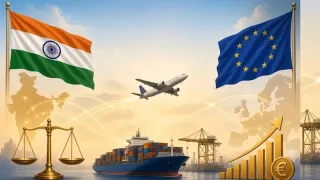
India-EU FTA: The legal srubbing for the Free Trade Agreement between India and the 27-nation European Union, widely hailed as the "mother of all deals". While internal approvals and translation processes are currently underway on the EU side, completing the legal scrubbing clears the path for both nations to sign the agreement on a mutually agreed date, significantly raising expectations for implementation by the end of this year.
ALSO READ: FTA Strategy Paying Off? Indian Exports See Double-Digit Growth Across Key Markets; Details
India-EU Trade Pact: Key Benefits
The India-EU FTA aims to lower trade barriers and expand bilateral market access.
Tariff Reductions And Export Impact
- Market Access: The agreement will lower or remove import duties on 90-93 per cent of Indian products. Import duties currently range from 4 per cent to 26 per cent
- Export Sectors: Major Indian exports, including textiles, leather, jewellery, and agricultural products, gain duty-free entry into European markets.
- Support for MSMEs: Tariff reductions in textiles and leather sectors will directly benefit Micro, Small, and Medium Enterprises.
Employment And Investment Growth
- Job Creation: Increased trade activity between the two nations is expected to create direct and indirect employment opportunities.
- Foreign Investment: Following the agreement, foreign investment from major European countries, including Germany, France, and Italy, is expected to increase.
- Industrial Sector Growth: Foreign investment will lead to significant growth in manufacturing, green energy, automotive, and semiconductor sectors, strengthening initiatives like Make in India.
ALSO READ: India-UK CETA: How New Social Security Pact Will Help 75,000 Indian Workers
Impact On Consumers
Cheaper Imports: Reduced duties on select European imports will make items like automobiles and alcohol cheaper for Indian consumers.