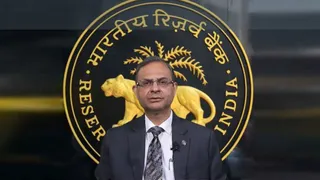
The October’s bimonthly monetary committee meetings of the Reserve Bank of India (RBI MPC) began on Monday. Meanwhile, economists have predicted that the MPC will come up with a minimum 25-basis-point hike in the repo rate on October 7 to neutralise the impact of rising inflation due to the re-escalation of the West Asia crisis. Hikes in rates from global central banks have also put pressure on the RBI.
The last repo rate hike was in February 2023, when the RBI raised the rate by 0.25 per cent to 6.50 per cent; it then kept the rate unchanged through 2023-24 before beginning its rate-cut cycle in 2025. Currently, the RBI's policy repo rate stands at 5.25 per cent.
A hike in the repo rate has a direct impact on common citizens, as it would increase borrowing costs, making running EMIs more costly. However, it also raises the fixed deposit return rates, on the other hand. Let’s understand why a rate hike is inevitable and how it will impact India’s housing market.
Why RBI MPC Might Come Up With A Rate Hike
According to Abhishek Bisen, Head - Fixed Income, Kotak Mahindra AMC, after supporting growth through 125 bps of repo-rate cuts and a 100-bps CRR reduction in CY 2025, the RBI now faces stronger growth alongside rising inflation and external pressures.
“ Q1FY2027 GDP growth of 7.8 per cent may prompt an upward revision to the RBI’s forecast, while increasing inflation, expensive crude oil, rupee depreciation and narrowing India-US yield differentials strengthen the case for tightening. We expect a 25-bps repo-rate hike in October 2026 with a neutral stance, along with measures to absorb durable liquidity, potentially around Rs 1 lakh crore, and cumulative tightening of 50–75 bps in the hiking cycle over the next 12-15 months, depending on the evolving global conditions, inflation risks and currency stability,” Bisen noted.
How A Repo Rate Hike Impacts India’s Housing And Home Loan Market
With expectations of a rate hike strengthening ahead of the October MPC meeting, the RBI’s key challenge will be to balance emerging inflationary pressures with the need to sustain economic growth and credit demand.
“For the housing finance sector, a moderate increase in the repo rate could have a marginal impact on borrowing costs, but we do not expect it to materially change the underlying demand for homeownership. Housing remains a long-term financial decision, with demand continuing to be supported by urbanisation, rising incomes and strong aspirations among first-time buyers, particularly across Tier II and Tier III markets,” Atul Monga, CEO & Co-Founder, BASIC Home Loan.
As per Monga, borrowers' focus should remain on overall affordability and financial preparedness rather than short-term rate movements.
“Maintaining access to formal and affordable housing credit will be important for sustaining housing demand through the current rate cycle,” he added.
RBI MPC Outcome On October 7
RBI governor Sanjay Malhotra will announce the outcome of MPC meetings on Wednesday, October 7. In addition to the repo rate, the central bank may also revise the GDP growth rate forecast and inflation speculations. The central bank may also come up with some changes in rules and regulations for the banking and finance sector.