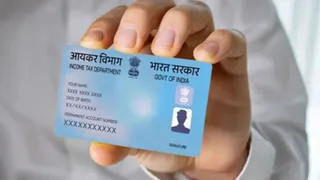
The Income Tax rules, which came into effect on April 1, 2026, brought several major changes for the use of the PAN card. While the card remains a mandatory document for high-value transactions, the new laws also define where PAN will not be a requirement to complete transactions. These changes are meant to bring ease for day-to-day transactions while ensuring transparency in the financial system, which curbs tax evasion.
The new development promotes better tracking and digital reporting of financial transactions through the new Income Tax rules,s as large transactions are now monitored by linking them to PAN, while small and limited transactions have been exempted.
Transactions where PAN is mandatory
According to the new rules, PAN will not be mandatory in certain cases, although Form 97 may be required if necessary: Small-value banking transactions, Limited cash payments, low-value property deals (within prescribed limits), and investments containing a small amount.
Additionally, small-value payments at a hotel or restaurant, payment for limited insurance or financial services, and low ticket size transaction maintenance. However, all the above-mentioned transactions will be fully recorded and reported to the Income Tax Department.
Also Read: The 5-Day Safety Net: Your Credit Card Just Got a Major Security Upgrade
Transactions which require a PAN
Financial transactions such as cash deposits or withdrawals exceeding Rs 10 lakh in a year, Mutual fund investments exceeding Rs 50,000, and cash payments exceeding Rs 2 lakh. Additionally, transactions for property exceeding Rs 45 lakh, transactions related to credit cards, demat accounts, or loan applications.
Furthermore, a PAN card will be mandatory for large FDs and bond investments.
The rules have a direct impact on common citizens' day-to-day transactions. It brings ease to small transactions, while introducing tighter norms for large transactions.