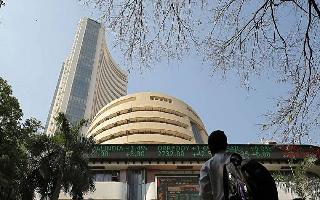
New Delhi | Jagran Business Desk: The year 2019 saw bulls dominating the Dalal street as its equity benchmark reached new heights this year. The benchmark Sensex crossed the historic 40,000- point milestone while Nifty conquered 12,0000-mark, bringing cheer to the investors. Though the going was tough for the investors who invested in mid and small cap share minefield, the stock pilling skills separated the men from the boys in this space.
Analysts said the divergence between the buoyancy in benchmarks and under-performance in most other segments was one of the highlights of equity markets in 2019.
The BSE Sensex started off the year at 36,254 points and began its steady march upwards. It closed above 39,000 for the first time on April 2, ahead of the phase I voting for 2019 general elections, with market participants banking on a victory of Narendra Modi-led NDA government.
Though the 30-share index closed lower after the results were announced on May 23, it rebounded on June 3 to breach 40,000- mark while NSE closed above 12,000 points.
The focus then shifted to the first Budget under re-elected Modi government. The Budget presented on July 5 came as a bolt from the blue for the bourses. Finance Minister Nirmala Sitharaman hiked tax surcharge on foreign portfolio investors (FPIs), high earners and proposed to raise public shareholding threshold.
The Sensex slipped almost 400 points on the Budget day and nosedived another 793 points when the markets opened on Monday, logging its biggest one-day fall in the calendar year. The FPIs pressed the panic button and pulled out a net of Rs 12,418 crore from the equity markets in July, reversing their five-month buying streak.
After facing a vociferous protest from industry and market shareholders, the government rolled back the enhanced surcharge in August and took a series of measures to revive the economy. The government then delivered a stunning bonanza by slashing corporate tax by 10 per cent-- biggest in almost thirty years.
The markets roared back to life and Sensex jumped a whopping 1921 points on September 20, posting its biggest single-day jump in a decade. The buying continued at the bourses and Sensex finished above 41,000 for the first instance on November 27.
Till December 27, the Sensex gave returns of 15.26 per cent, while Nifty gained 12.73 per cent. However, what is a cause of concern for market experts is frothy valuations.
The price to earnings (PE) ration of Sensex equities has touched 29-- highest in two decades. In other words, investors are paying more and more money on every rupee of future earnings on these firms.
Also Read: 'India in midst of significant economic slowdown' | IMF calls for 'urgent' action by govt
India's GDP growth slumped to a six-year low of 4.5 per cent in the second quarter of FY19-20, and weak consumer sentiment dented earning of companies across several sectors.
The US President Donald Trump's trade tiffs with China, the EU and other countries roiled the global markets for majority of the year, though phase I trade deal with Beijing announced earlier this month galvanised sentiment. Other global indicators also have been flashing recession signals.
In India, experts say a couple of factors have worked in favour of equities. Firstly, the Reserve Bank of India cut its repo rate by as much as 135 basis points. Secondly, FPIs have kept faith in Indian markets. Overseas investors have poured a net Rs 97,250 crore in the domestic equities-- highest in last six years.
Another factor has been strong mutual fund inflows, which have remained largely unaffected by market gyrations.
(with PTI inputs)