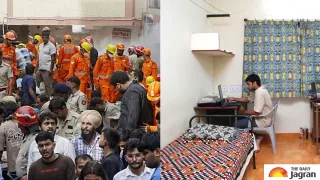
PG Accommodation Safety: The collapse of a five-storey building being used as a paying guest (PG) accommodation in Delhi's Satya Niketan has raised serious concerns about the safety of student housing. Located near Delhi University's South Campus, the building collapsed on September 6, leaving several people dead and injured.
Preliminary reports have highlighted concerns including ongoing repair work, basement waterlogging and alleged construction violations. The incident has also raised questions about emergency exits and basic safety arrangements. Students moving into a PG should therefore assess the building's structural, fire, electrical and emergency safety before paying a deposit.
1. Check Structural Condition And Building Approvals
Before finalising a PG, students should inspect the overall condition of the building. Look for major or expanding cracks in walls, ceilings, columns, beams and staircases. Damaged columns, sagging ceilings or other visible structural problems should be treated as serious warning signs.
Students should also ask the owner or PG operator about the building's approvals and permissions. If the property has multiple floors, extensions or recently constructed portions, ask whether the construction is authorised and whether relevant documents are available.
2. Check Emergency Exits, Staircases And Fire Safety
Students should identify the main entrance, emergency exits and alternative routes before moving into a PG. Exit doors should be easy to open, while corridors and passageways should remain free from furniture, boxes and other obstructions.
The staircase should be properly lit, unobstructed, structurally sound and equipped with a secure railing. Students should also check for fire extinguishers, smoke alarms, fire alarms, clearly marked exits and emergency lighting. A single difficult-to-access exit can become a major risk during a fire, earthquake or building emergency.
3. Check Waterlogging, Construction Work And Electrical Wiring
Water accumulation, particularly in basements and lower floors, should not be ignored. Students should look for standing water, damp walls, water stains, mould, persistent leakage, water-related cracks and poor drainage.
They should also ask whether repair, renovation, demolition or construction work is underway. Particular attention should be paid to work involving basements, structural walls, columns, beams, foundations or the ground floor.
Electrical safety is equally important. Students should check for exposed wires, loose connections, overloaded sockets, damaged switches, uncovered electrical panels and wires running through corridors. Water near electrical connections should also be treated as a serious warning sign.
4. Check Occupancy And Speak To Existing Residents
Overcrowding can create additional safety risks by putting pressure on exits, sanitation facilities and emergency arrangements. Students should ask how many people are officially permitted to stay in each room and whether additional beds or sleeping spaces have been added.
Before paying the deposit, students should also speak to existing residents. Ask about previous incidents, water leakage, electrical problems, fire-safety arrangements, construction work, security and emergency response. If several residents report the same issue, students should consider it a potential red flag.
ALSO READ: AP OAMDC 2026 Seat Allotment: Phase 1 Result To Be Out Today; Direct Link And Admission Process
PG Safety Checklist For Students
Safety Check | What To Look For |
Structural condition | Major cracks, damaged columns or ceilings |
Building approval | Necessary permissions and documents |
Emergency exit | Accessible alternative exit routes |
Staircases | Safe, lit and unobstructed |
Fire safety | Extinguishers, alarms and clear exits |
Water damage | Leakage, dampness and waterlogging |
Construction work | Ongoing structural repairs or renovation |
Electrical safety | No exposed or unsafe wiring |
Occupancy | No excessive crowding or unauthorised beds |
Resident feedback | Previous safety or maintenance complaints |
What Should Students Do If They Notice A Serious Safety Issue?
Students should not ignore major warning signs simply because a PG is affordable or located close to their college. Serious structural damage, blocked exits, exposed electrical wiring, severe waterlogging or unsafe construction work should be reported to the PG operator.
Where necessary, students can approach the relevant local authorities or emergency services. They should also keep emergency contact numbers, the PG owner's details and the addresses of nearby hospitals and police stations saved on their phones.