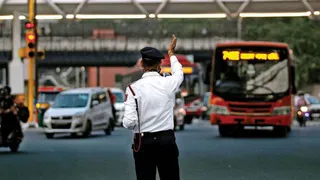
Delhi Traffic Advisory: Traffic congestion continues to be a major challenge in the capital, worsened by improper parking practices. Many drivers park haphazardly, causing significant disruptions on the roads. To address this issue, the Delhi Police has announced plans to purchase 92 modern cranes to streamline operations and improve traffic management.
Currently, the traffic police rely on 76 cranes rented from private contractors, which incur high monthly rental costs. Additionally, the police have 20 outdated cranes of their own that are no longer efficient. The new cranes will replace the ageing rental fleet and enhance the ability to manage illegal parking effectively.
ALSO READ: Delhi Elections 2025: PM Modi To Bansuri Swaraj, BJP Names 40 Star Campaigners For Upcoming Polls
The procurement tender for the cranes has already been issued, and the police expect to finalise the purchase within the next four to five months. The new equipment will include 76 cranes for the traffic department, with 44 capable of lifting five tonnes and 32 with a three-tonne capacity. This upgrade is especially critical for quickly removing vehicles obstructing major routes, including those used by VVIPs.
According to police officials, the advanced cranes will not only speed up the towing process but also minimise the risk of damaging expensive vehicles during removal. The Delhi Police plans to choose the supplier offering the most competitive rates, with the total investment running into several crores.
At present, the police spend approximately Rs 3,000 daily for each rented crane. Once the new cranes are acquired, all rented equipment will be returned, and the department will focus solely on hiring drivers and labourers on a contractual basis. This will significantly reduce costs and improve operational efficiency.
The Delhi Traffic Police force comprises around 7,000 personnel spread across approximately 50 traffic circles in the city. Each circle is managed by a traffic inspector who supervises Junior Duty Officers (JDOs) and other staff to ensure smooth traffic flow and enforce regulations.