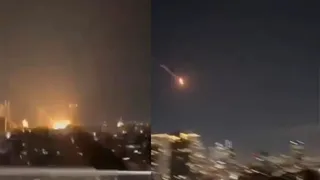
Amid the rapidly deteriorating security situation in the Middle East, the Government of India has taken proactive measures to ensure the safety of its citizens. Following a surge in military strikes involving the US, Israel, and Iran, New Delhi has launched a dedicated 24 by 7 emergency control room to provide immediate assistance to Indians residing in Gulf nations.
The Ministry of External Affairs (MEA) announced on Wednesday that the control room will remain operational from 9 am to 9 pm. Indian nationals can reach out for emergency support via the Toll-Free number 1800118797. Additionally, the following landline numbers have been activated for international or local calls:
+91-11-23012113
+91-11-23014104
+91-11-23017905
Emergency contact details for Indian embassies in Bahrain, Iran, Iraq, Israel and the UAE have also been released to streamline rescue and relief efforts.
Regional Instability And Airspace Closures
The region has seen a sharp increase in hostilities following major strikes by US and Israeli forces against Iranian targets. Reports following these operations suggested the death of Iran’s Supreme Leader, Ayatollah Ali Khamenei, triggering a wave of retaliatory strikes from Tehran.
Iran’s counter-responses have involved heavy drone and missile deployments across the Gulf. Projectiles were intercepted over the airspace of Kuwait, Bahrain, and the United Arab Emirates, leading to temporary flight suspensions and reports of both military and civilian casualties. This confrontation marks one of the most significant military standoffs between Washington and Tehran in recent history.
High-Level Security Briefing By PM Modi
On Sunday, Prime Minister Narendra Modi chaired a meeting of the Cabinet Committee on Security (CCS) to review the fallout of the February 28 airstrikes on Iran. The committee discussed the subsequent escalation across the Middle East and the potential risks posed to the vast Indian expatriate community living in the region.
An official statement from the CCS expressed "serious concern" regarding the safety of Indian nationals abroad.
Addressing the crisis on Monday, Prime Minister Modi emphasied India’s commitment to regional stability:
"India’s stance on global tensions remains firm. We have consistently advocated for peace and stability. The current situation in West Asia is a matter of deep concern. India supports the resolution of all disputes through dialogue and diplomacy, and we will continue to work closely with all regional partners to ensure the safety of our citizens."
Current Conflict Status
The violence intensified after US and Israeli forces conducted large-scale operations within Iran. In response, Tehran launched a series of retaliatory attacks targeting various locations across the Gulf. These exchanges have forced several nations to shut down their airspace intermittently to prevent civilian aviation disasters as defense systems work to intercept incoming drones and missiles.