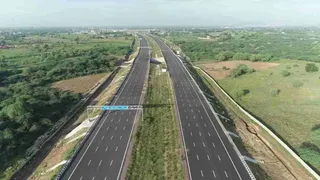
Jagran Correspondent, Lucknow: The 63-kilometre-long Lucknow-Kanpur Expressway (NE-6) is complete and ready to open for vehicles. The foundation stone of this project was laid by Union Road Transport Minister Nitin Gadkari and Defence Minister Rajnath Singh. The expressway will be inaugurated on Monday, July 13, by Uttar Pradesh Chief Minister Yogi Adityanath, along with Nitin Gadkari and Rajnath Singh.
Lucknow-Kanpur Expressway To Open For Public On July 14
Following its grand inauguration, the expressway will open to the public starting at 8:00 AM on Tuesday, July 14. Commuters will be able to travel at a speed of 120 km/h on the new expressway, significantly cutting down travel times, Jagran.com reported.
Speed, Safety And Comfort
- The completion of the Lucknow-Kanpur Expressway is set to significantly reduce travel time between the two cities, turning a two- to two-and-a-half-hour journey into a quick 45- to 50-minute drive.
- The 63-kilometre route eliminates the traditional highway headache - there are no intersections, red lights, speed breakers, or traffic jams to slow commuters down.
- Drivers can enjoy an uninterrupted journey as toll collection is restricted to the expressway's entry and exit points.
- Travellers can also look forward to a more comfortable ride as modern restaurants and kids' zones are being set up along the route to ensure a pleasant and relaxing trip.
ALSO READ: Delhi-Mumbai Expressway To Be Fully Ready In 2 Years, Travel Time To Drop To 12 Hours: Nitin Gadkari
Lucknow-Kanpur Expressway Connectivity
To ensure more commuters benefit from the Lucknow-Kanpur Expressway, the National Highways Authority of India (NHAI) has linked it to the Outer Ring Roads of Lucknow and Kanpur. This network connects traffic to surrounding areas including Ayodhya, Hardoi, Sitapur, Rae Bareli, Varanasi, Prayagraj, Unchahar, and Barabanki, while also providing access to the Lucknow-Agra Expressway, Unnao, and Lalganj.
The expressway has been designed to handle a heavy volume of 50,000 to 60,000 light and heavy vehicles daily for the next three decades. Furthermore, the infrastructure can be expanded up to eight lanes to handle future traffic surges and ensure congestion-free travel for the next 20 years.