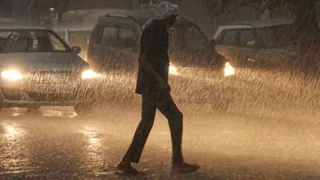
Monsoon Update: India's weakened monsoon is finally picking up pace. A low-pressure area has formed over the northwest Bay of Bengal and the Odisha-West Bengal coast, which will trigger heavy rain in eastern and northeastern India, eastern Uttar Pradesh, and the western Himalayan regions over the next seven days.
According to the India Meteorological Department (IMD), heavy to very heavy rainfall is expected across several areas, while an alert for extremely heavy rainfall has been issued for Odisha.
Equatorial Disturbance To Bring Rainfall Across India
In addition to the Bay of Bengal low-pressure system, another weather system is developing near the equator. This is expected to bring rainfall across North, East, and Central India between July 20 and 30, with showers set to begin in Uttar Pradesh and Uttarakhand on Saturday.
The system is eventually expected to move southward, bringing increased rainfall to South India and the western coast during the final week of July and the first week of August.
Fresh Western Disturbance To Intensify Rainfall In Northwest India
According to Skymet Weather, a fresh Western Disturbance is likely to become active over Northwest India from July 19. This upcoming system will add additional moisture and support to the already active monsoon system over the Western Himalayan states and North India, likely intensifying rainfall across many areas next week.
In addition to the Bay of Bengal, Skymet stated that various weather systems are currently active over Uttar Pradesh, Bihar, Assam, and the Gujarat-Rajasthan region, further strengthening the monsoon's revival.
Cloudburst Alert In Jammu-Kashmir
While many parts of the country await monsoon, the weather in Jammu and Kashmir remains severe. The region has recorded 15 to 16 cloudbursts within the first 15 days of the monsoon's arrival in July. These extreme weather events have triggered intense flash floods and landslides, causing widespread damage to infrastructure and agricultural lands.
The Kashmir Meteorological Centre has warned that such incidents may become increasingly frequent in the future.
(With Inputs From Jagran.com)