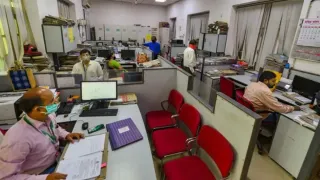
Delhi residents might soon find dealing with government offices much less stressful, thanks to the newly notified Delhi Right to Service Act, 2026. Replacing the older 2011 law, the Rekha Gupta-led administration has introduced a stricter framework where negligent officials will have to pay fines from their own pockets.
Under the new rules, any official responsible for an unjustified delay faces a fine of Rs 250 for every day of delayed work, capped at a maximum penalty of Rs 5,000. Crucially, this money won't come out of the department's budget but will be deducted straight from the officer's personal salary.
Every Service Will Have a Deadline
The core goal of the legislation is simple- no public service should exist without a clear cutoff date. The Delhi government plans to map out all eligible services under the Act and assign a firm deadline to each.
To prevent the classic bureaucratic game of passing the buck, a specific designated officer will be held personally accountable for completing each application. These rules will apply across all government departments, municipal corporations, and public service institutions operating in the capital.
Track Your Application From Your Mobile Phone
You won't need to waste time visiting government offices just to get an update. Under the new digital setup, every submission gets a unique tracking number, letting you monitor your application's status right from your smartphone.
At any moment, applicants can see exactly whose desk their file is sitting on, who is supposed to sign off on it, and the expected date of delivery. Departments are required to log and update every file digitally, and if an application gets rejected, the officer in charge must record a clear, written reason for the decision.
What About Delayed Applications?
The new process eliminates the frustration of filing fresh complaints or making repeated visits when work grinds to a halt. If an official misses the set deadline, the system automatically triggers an appeal and routes the file straight to the Citizens' Grievance Redressal Authority. Each department will have a designated officer tasked solely with resolving these flagged cases, ensuring stuck files get fast-tracked without extra effort from the applicant.
Appeals To Be Decided Within 30 Days
The Citizens' Grievance Redressal Authority is mandated to clear escalated cases within 30 days. If it fails to decide within that window, the matter automatically climbs up to the Delhi Service Rights Commission. This overarching body oversees how the Act is run, handles higher-level appeals, and keeps tabs on overall compliance. It also holds the power to inspect government premises, push for disciplinary proceedings, recommend system-wide fixes, and take suo motu action whenever it spots systemic failures.