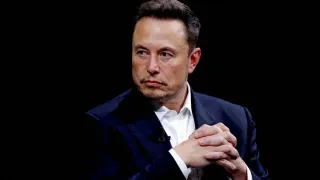
Elon Musk’s Starlink pitch for India has encountered an unexpected critic: his own AI chatbot, Grok. When a user asked the chatbot to outline the drawbacks of allowing the satellite internet service to operate in the country, it highlighted several concerns that Indian regulators have long grappled with, from national security and data sovereignty to affordability and dependence on foreign technology.
The response soon became a talking point on X, with users turning the apparent irony into memes. One user quipped, “Elon Musk, Grok has leaked your plans.”
Grok Flags Four Major Concerns
Grok’s assessment highlighted four key challenges that could arise from allowing Starlink to expand its operations in India.
National security risks:A satellite network controlled by a foreign company could raise concerns about India’s ability to restrict connectivity in sensitive border regions or during security emergencies. Reports of satellite internet terminals allegedly being used by militants and smugglers have also added to concerns about potential misuse.
Data sovereignty and surveillance: Starlink’s interconnected satellite network, which includes laser links between satellites, could complicate regulatory oversight of communications. Ensuring compliance with India’s requirements for lawful interception and domestic monitoring would remain an important consideration.
High costs for consumers: Starlink’s equipment and subscription charges could be significantly higher than conventional broadband and mobile internet services offered by Indian telecom operators, including Reliance Jio and Bharti Airtel. This could limit its affordability, particularly for rural households that stand to benefit from improved connectivity.
Dependence on a foreign provider: Grok also pointed to the risk of disrupting the domestic telecom market and creating excessive reliance on a single American company, despite the availability of Indian connectivity providers.
Why Starlink’s India Plans Face Scrutiny
Starlink, operated by Musk’s SpaceX, uses a constellation of low-Earth orbit satellites to provide broadband connectivity. The technology could help connect remote and underserved areas where traditional telecom infrastructure is difficult or expensive to establish.
However, its potential benefits also raise questions about regulatory control, network security, pricing and the ability of Indian authorities to enforce domestic laws.
Grok’s response does not constitute an official assessment of Starlink or prove that these risks cannot be addressed through licensing conditions, technical safeguards and regulation. Nevertheless, it underlines the challenges policymakers may need to consider before allowing a foreign satellite internet provider to operate at scale.
The chatbot’s response triggered a meme fest on X, with users highlighting the irony of Musk’s own AI identifying potential drawbacks of his satellite internet venture.
Musk Questions Delay, Asks If Ambani Is ‘The Real Boss Of India’
The row over Starlink’s entry into India escalated after Elon Musk questioned the delay in securing permission to launch commercial services, claiming that the company had complied with the government’s requirements for five years.
ALSO READ: Starlink Row: Musk Reacts To Rahul Gandhi's 'Welcome To India' Remark On 'Ambani Real Boss' Post
“Starlink is licensed in over 165 countries and has spent five years complying with every single law and requirement of the government of India, so why still no license?” Musk asked. He also questioned whether Reliance Industries chairman Mukesh Ambani was “the real boss of India”.
What Is The Government’s Stand?
The Centre rejected allegations that Starlink’s satellite internet services were being held up because of domestic business interests. The government stressed that compliance with security requirements was mandatory for every satellite communications (satcom) licensee operating in India.