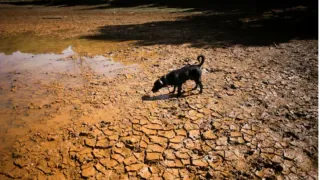
Super El Niño Effects: The climate phenomenon El Niño occurs when the sea surface temperatures rise above average in the central and eastern equatorial Pacific Ocean. When the phenomenon becomes more intense, it is often called a Super El Niño. The intense phenomenon can cause disruptions in global weather patterns, increasing the likelihood of droughts in some regions and heavy rainfall in others. According to the US National Oceanic and Atmospheric Administration (NOAA), El Niño is strengthening and is likely to remain strong to very strong through early 2027.
India could face weather-related challenges during the winter of 2026-27 and the summer of 2027. A Super El Niño can affect India's monsoon rainfall, although it does not determine weather conditions in every region.
Image Credit: Reuters
How Could Super El Niño Affect Indian Weather?
A strong El Niño can increase the risk of below-normal rainfall during India's southwest monsoon. However, the impact depends on other climate factors, and a rainfall deficit is not inevitable. The phenomenon could also influence temperatures and rainfall patterns during the coming months.
According to weather experts, India may face warmer-than-normal conditions in some regions, while others could experience spells of heavy rainfall. Temperatures through the winter months are expected to be mild, with unpredictable fluctuations. The Himalayas may face snowfall, while plains are likely to get rainfall.
The Super El Niño effect will also increase the risk of drought-like conditions in many parts. Since the Pacific Ocean warms up intensely, it will alter the global wind patterns and push the rain-bearing clouds away from India. This will impact the seasonal monsoon rains, causing drier fields and a decrease in water levels, especially in areas already facing shortages.
How Could Super El Niño Affect Agriculture?
A weak monsoon or prolonged dry spells could affect agricultural production by reducing soil moisture and limiting the availability of water for irrigation. Farmers who depend on rainfall may be particularly vulnerable, as the lack of monsoon rains will result in empty dams and reservoirs, making it difficult for farmers to irrigate their fields.
Wheat, a major winter crop, could face additional stress if temperatures rise during critical stages of its growth. Rice production could also be affected by inadequate rainfall or irrigation water, depending on the region and cropping season.
Lower crop yields could reduce farmers' incomes and put upward pressure on food prices. However, the scale of the impact would depend on rainfall distribution, irrigation facilities, crop management, and the severity of any temperature extremes.
Image Credit: Reuters
How Could Super El Niño Affect Electricity Demand?
Warmer-than-normal conditions could increase electricity demand, particularly if they lead to prolonged heatwaves. Households and businesses may use air conditioners and other cooling systems more frequently, raising peak power demand, even at the onset of the winter season.
A shortage of rainfall could also affect water availability for hydropower generation in some regions. If electricity demand rises while hydropower output falls, power utilities may need to rely more on other sources of generation to meet demand. Higher demand and constraints on electricity supply could put pressure on power grids and increase costs.