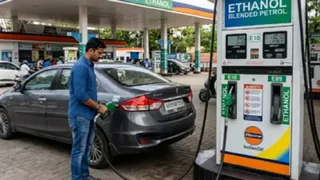
E20 Ethanol Row: The government has refuted rumours circulating on social media linked to the usage of E20 ethanol, under which 20 per cent ethanol is blended with petrol. Ministry of Petroleum and Natural Gas issued a clarification on Friday, dismissing the claims regarding increased water consumption, engine damage, environmental damage, and fuel safety.
Government Clarifies On E20 Ethanol
Regarding concerns raised about vehicle performance, the ministry said trials conducted by the Automotive Research Association of India (ARAI) showed no significant adverse effects on driving comfort or fuel efficiency. The mileage experienced minor changes, it added.
ALSO READ: E20 Blending An Experiment On Petrol Vehicles? Centre's Big Admission During SC Hearing Sparks Row
The government covered approximately 40,000 km of distance in passenger vehicles and 20,000 km in two-wheelers during this trial. The ministry also stated that vehicles designed for E20 could benefit from ethanol's higher octane rating.
No Damage To Engine: Government
Regarding allegations that E20 could cause engine damage or rust in vehicle parts, the government cited studies conducted by ARAI in collaboration with Indian Oil Corporation, the Indian Institute of Petroleum, and the Society of Indian Automobile Manufacturers to reject the charges. These studies found no issues with driving comfort or the compatibility of metal and plastic parts. However, some rubber parts in older vehicles may require replacement.
ALSO READ: Own An Older Car And Worried About E20 Petrol Damage? Use These Expert Tips To Protect Your Vehicle
Warranty Or Insurance Coverage Will Not Be Affected: Government
The ministry also dismissed claims that using E20 fuel could void vehicle warranties or insurance coverage, saying automobile manufacturers and insurance companies have clarified that vehicles designed or approved for E20 will be covered under applicable warranty and insurance conditions.
Does E20 Use 10,000 Litres Of Water?
The ministry also refuted claims that 10,000 litres of water is required to produce one litre of ethanol. The ministry said only rice left over after meeting the country's food security needs is used to produce ethanol.
The ministry further stated that ethanol distilleries use approximately 3-5 litres of processed water for every litre of ethanol and are increasingly operating under "zero liquid discharge" systems, which recycle water.
Here Are Other Clarifications:
- Fuel-grade ethanol used for petrol blending is produced through fermentation and distillation processes that eliminate residual sugars from the final product.
- Fuel ethanol contains denaturants that are repellent to insects. There is no identifiable attractant associated with E20 fuel that would cause ants or other insects to congregate around vehicle fuel caps.
- Ethanol Blending Programme has helped save the country over Rs 1.4 lakh crore in foreign exchange through reduced crude oil imports. The programme has also created sustained demand for agricultural feedstocks used in ethanol production, thereby supporting farmers' incomes and strengthening the rural economy.
(With Jagran/Agencies Inputs)