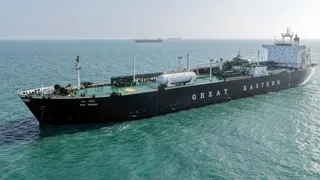
Amid ongoing negotiations with Iran, the United States on Monday suspended sanctions on Iranian crude oil exports for 60 days, until August 21. The move is aimed at easing regional tensions and helping reopen the strategically important Strait of Hormuz. For India, which imports nearly 85 per cent of its crude oil needs, this development can have important economic and benefits related to energy security.
Iran Was Once India's Largest Oil Suppliers
Iran was once one of India's largest oil suppliers. Before US sanctions were tightened in 2018, Indian refiners regularly bought Iranian crude because it was competitively priced, came with flexible payment terms, and involved lower transportation costs. At its peak, Iran accounted for more than 10 per cent of India's crude imports, according to the Ministry of Petroleum and Natural Gas’ earlier records.
However, after sanctions were imposed, Indian refiners stopped buying Iranian oil and shifted to other suppliers such as Iraq, Saudi Arabia, the UAE, the United States, and later Russia. Following the Russia-Ukraine war, India became one of the biggest buyers of discounted Russian crude, which now accounts for around 35-40 per cent of India's oil imports.
What 60-Day Waiver Means For India?
The latest US decision does not mean Indian refiners will immediately start importing Iranian crude. The waiver is valid for only 60 days and remains linked to ongoing diplomatic negotiations. Oil companies generally prefer long-term policy certainty before entering into big supply agreements. However, the move is still significant for India as the possible return of Iranian oil to global markets may increase overall crude supply, reducing concerns about shortages and helping keep international oil prices under control.
In this regard, lower crude prices would be a major advantage for India. The country spends over USD 100 billion annually on crude oil imports. Therefore, even a small decline in global oil prices can save billions of dollars. In simpler terms, the biggest benefit for India may not be direct imports from Iran but the impact on global oil markets.
US Treasury Secretary Scott Bessent had announced the decision to issue a temporary 60-day general license authorising transactions related to the production, delivery, and sale of Iranian crude oil, petrochemicals, and petroleum products. He wrote on X, “In line with the ongoing productive talks in Switzerland, Iran has committed to free and open transit in the Strait of Hormuz and to permit International Atomic Energy Agency (IAEA) inspectors into their country.”
Bessent added, "As part of the framework, Treasury has issued a temporary 60-day general licence authorising the production, delivery, and sale of Iranian oil."
ALSO READ: Why Any Headwind To US-Iran Peace Deal May Bring Setback To India's Growth? RBI Explains