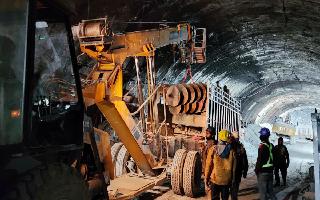
Uttarkashi Tunnel Collapse: As the auger machine encounters hurdles in the rescue operation, rescuers are considering switching over to manual drilling at the Silkyara tunnel where 41 labourers have been trapped for the past 13 days, officials said on Saturday. Manual drillers will get to work once the US-made, heavy-duty Auger drilling machine is removed from the pipeline through which the trapped workers are to be brought out, they said.
Uttarkashi Tunnel Collapse: Here Are Top Developments
- The workers of the Border Roads Organisation team have been directed to move equipment that will allow for vertical drilling on the Silkyara tunnel in Uttarkashi.
- The ongoing operation to rescue workers, who were trapped after a portion of the tunnel collapsed in Uttarkashi on November 12, entered its 14th day on Saturday.
- A senior official involved with the rescue operation said the remaining debris, extending approximately up to 6 to 9 metres, which stands between the rescuers and the trapped workers, will be removed through manual drilling.
- "While drilling with the US-made Auger machine, if we hit an obstruction every two to three feet, we have to remove it. And, every time we hit an obstruction, we have to roll Auger back 50 metres (up to which the pipeline has been laid). After running repairs, the machine has to be pushed back up to 50 metres, which takes about 5 to 7 hours. This is the reason why the rescue operation is taking longer than it should," the senior official told ANI while explaining the reasons why the officials have decided to remove the Auger from the pipeline.
- The multi-agency rescue effort began after a portion of the under-construction tunnel on Uttarakhand's Char Dham route collapsed on November 12 following a landslide, trapping workers inside.
- Since then 41 workers trapped inside the tunnel. Food, medication, and other necessities are being delivered to the stranded labourers via the six-inch-wide conduit.
- A communication system has been set up, using the pipe, and the workers' relatives have spoken to them. An endoscopic camera was also pushed through this pipe, allowing rescue workers to see the condition inside.
(With Agencies Inputs)