Earth Day 2026: Zero-waste habits are all about everyday choices that reflect a mindset focused on mindfulness and sustainability. As we mark Earth Day 2026 on April 22nd under the theme “Our Power, Our Planet,” the conversation needs to move beyond awareness to action. Zero-waste habits include healthy practices that lead to proper waste management.
The consequences of poor solid waste management go far beyond visual pollution. Ineffective waste management affects the health of all living beings, directly and indirectly. Burning waste releases toxic gases into the air we breathe and leaves ash that affects the soil that grows our food. Additionally, large quantities of waste eventually end up in the oceans, causing damage to ecosystems. As a country of nearly 1.5 billion people, there is over 62 million metric tons of waste generated every year. It is time we address waste seriously.
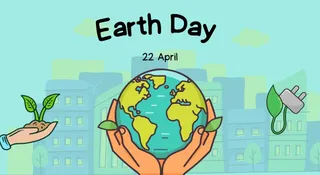
Happy Earth Day 2026 (Image Credit: Canva)
To put these ideas into practice, here is a list of simple yet powerful habits that can help individuals and communities move closer to a zero-waste lifestyle:
Earth Day 2026: 5 Simple Ways To Build Zero-Waste Habits:
1. Segregate Trash
Separately throwing waste, wet, dry and hazardous, into different bins at home and in the office is one of the most sustainable things you can do for the environment. This simple yet powerful habit of segregating trash is efficient for recycling, reducing landfill reliance, minimising environmental pollution, and protecting overall public health.
What Is Earth Day (Image Credit: Canva)
Segregating waste leads to eradicating greenhouse gas emissions, conserving natural resources, and lowering disposal costs. Therefore, it is important to realise that when waste is separated where it is generated, the entire value chain, from collection to recycling and treatment, becomes more efficient and effective.
2. Think Before Aimless Shopping
Impulsive buying is not just good for your pocket, but also one of the reasons for deteriorating environmental health across the globe. It is important to understand that waste is deeply linked to lifestyle habits, consumption patterns, and overall everyday choices.
ALSO READ: 50+ Quotes To Protect Earth’s Beauty And Creatures
Therefore, before buying anything, always ask yourself, Do I really need this particular product? Can I borrow, reuse, repair, or choose an option with less packaging? Is there an environmentally friendly alternative to it? Waste is deeply linked to our lifestyles, habits, consumption patterns, and everyday choices.
Participate In Cleanliness Drives (Image Credit: Canva)
3. Collective Approach
Saving the environment’s health should be everyone’s top priority. Therefore, at home and at work, regularly review the waste we generate and discuss how it can be reduced. This could mean buying in bulk, making products at home, or choosing alternatives with less packaging. Because together we can.
Why Earth Day Is Important? (Image Credit: Canva)
4. Understand Value Behind Everything
We must understand that every product we buy eventually becomes waste, and that all products are made with resources that can often be recovered. Learning to use recyclable products and fewer products which are made of plastic or any other harmful material is the key. For example, switch your plastic comb for a wooden comb.
Why Recycling Of Waste Is Important? (Image Credit: Canva)
Additionally, it is also important to teach sustainable living to kids at an early stage for a better and brighter future ahead.
ALSO READ: April 2026 Calendar: Full List Of Festivals, Events, National And International Days
5. Environment Is A Shared Responsibility
Understanding that environment is a shared responsibility, like active participation in cleanliness drives, ensuring clean neighbourhoods like roads, parks and markets comes through a sense that Mother Earth is an extension of our homes and must be treated with the same care for a healthy environment and thriving health.
Celebrate Earth Day Every Day (Image Credit: Canva)
Lastly, this Earth Day 2026, let’s pledge to zero waste and understand that it's way more than a trend or a campaign. It is a habit, a way of thinking, and a responsibility that must become part of everyday life.