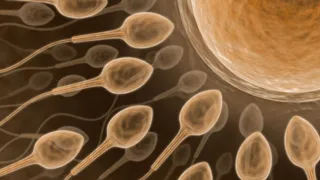
Winter also brings a set of lifestyle changes that can have a subtle effect on male fertility, even as the lowered temperatures can have a natural positive effect on sperm characteristics such as concentration and morphology. Lower exposure to sunlight means lower levels of vitamin D, which is essential for testosterone secretion and sperm motility, potentially reducing levels in vitamin D-deficient men. Lifestyle changes associated with indoor comforts include a sedentary lifestyle, weight gain from comfort foods, and dehydration, all of which can affect hormonal balance and sperm oxidative stress. Hot baths or the use of heated blankets close to the groin area can increase scrotal temperature, inhibiting sperm secretion, while higher alcohol and caffeine consumption can worsen dehydration.
Doctors stress that the coldness of winter itself is not damaging to fertility, but poor habits are. Stress from shorter days affects sleep patterns and the body’s natural cycles, further reducing r
ALSO READ: Male Infertility And IVF Failure: Doctor Explains The Sperm Quality Issue That No One Talks About
eproductive hormones, while the absence of a diet rich in antioxidants such as zinc and vitamins C/E, due to poor habits, leads to damaged DNA integrity. In conversation with The Daily Jagran, Dr Shreya Gupta, Fertility Specialist, Birla Fertility & IVF, Lucknow, states how winter lifestyle changes impact male fertility.
Temperature, Testicular Function And Sperm Quality
Our bodies are closely attuned to the environment, especially when it comes to sperm production. The testes are positioned outside the body because they function best at slightly cooler temperatures. In theory, colder weather could be beneficial, and some studies suggest sperm count and motility might see a slight boost during the winter months.
ALSO READ: Planning A Baby? Doctor Says Your Winter Habits Might Be Silently Hurting Fertility
However, winter habits can work against these potential benefits. Consider all the hours spent with heated car seats, hot baths, laptops resting on your lap, or simply bundled up in heavy clothing. Dr Shreya Gupta states, “These sources of warmth can raise the temperature in areas that need to stay cool, and over time, this can disrupt sperm production and quality.”
Winter Lifestyle Impacts Male Ferility (Image Credits: Canva)
Reduced Sunlight And Hormonal Shifts
Another important factor is sunlight. Shorter days typically mean less time outdoors, leading to lower vitamin D levels. This is significant because vitamin D supports healthy testosterone levels and sperm motility. Dr Shreya Gupta states, “Reduced sunlight can knock these systems out of balance.” Sleep patterns also tend to change in winter – more late nights and disrupted routines can throw off the hormones that regulate testosterone.
Lifestyle Patterns That Matter
Lifestyle habits play a role as well. Winter often brings less physical activity, richer foods, more indulgent treats, sometimes increased alcohol, and the physical stress that comes with holidays and travel. A few months of these patterns can result in weight gain and metabolic stress, which not only affect overall health but can also reduce sperm count, alter sperm shape, and impact DNA integrity.
ALSO READ: Male Infertility And IVF Failure: Doctor Explains The Sperm Quality Issue That No One Talks About
A Balanced Perspective
The positive news is that most of these factors are within your control. Men planning for fatherhood don’t need to make extreme changes or endure the season miserably. Dr Shreya Gupta mentions, “Small adjustments can make a meaningful difference: opt for warm, not hot, baths; avoid prolonged exposure to heat around the groin; find time for outdoor walks and light exercise; balance heavier meals with lean proteins and vegetables; stay hydrated; moderate alcohol intake; and aim for consistent sleep. Even brief exposure to natural daylight can help maintain healthy vitamin D levels.”
Winter isn’t the problem – it simply encourages habits that your body notices, even if you don’t. Good fertility isn’t about a single major change; rather, it’s the accumulation of small, daily choices. By being mindful of these winter shifts, you give yourself a valuable advantage, well before you ever need to consult a specialist.
Often, improving fertility doesn’t require complex interventions. Aligning your daily habits with your body’s needs can have a significant impact. With a little awareness, winter doesn’t have to stall your plans. Thoughtful adjustments now can make all the difference.