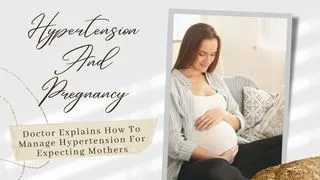
Managing hypertension is essential for expectant mothers because high blood pressure can seriously endanger both the mother and the unborn child. Preeclampsia, premature birth, and low birth weight are among the issues that can result from uncontrolled hypertension during pregnancy. Additionally, the mother may be more susceptible to cardiovascular issues in the future.
Proper management, which includes routine monitoring, a nutritious diet, regular exercise, and medication if necessary, can make pregnancy and delivery safer. By controlling their blood pressure, expectant mothers can lower their risks and improve their own and their child's health. In a conversation with Jagran English, Dr. Shefali Tyagi, a senior consultant in obstetrics and gynecology at Rainbow Children's Hospital on Sarjapur Road in Bangalore, discussed tips for dealing with hypertension during pregnancy.
According to Dr. Shefali, “I cannot stress enough the importance of maintaining open and regular communication with your healthcare practitioner throughout your pregnancy journey, especially if you're dealing with gestational hypertension or pregnancy-induced hypertension (PIH). Your healthcare provider will work closely with you to tailor a care plan that addresses the severity of your condition and any other risk factors you may have. Early detection and proactive treatment of PIH can make a world of difference in minimizing the risk of complications and ensuring a safer pregnancy for both you and your baby.”
Gestational hypertension, or high blood pressure during pregnancy, is a common concern and is sometimes misdiagnosed as an age-related condition or anxiety during a hospital visit. Eight percent of expectant mothers have high blood pressure before, during, or after pregnancy, posing risks beyond hypertension alone.
Proper management, including regular monitoring, diet, exercise, and medication, is essential.(Image Credit:Freepik)
Dr. Shefali added that complications such as preeclampsia, low birth weight, kidney problems in the mother, and cardiac issues can occur. It's critical to control blood pressure throughout pregnancy for the health of both the mother and the unborn child. If you're diagnosed with high blood pressure during pregnancy, it's essential to take proactive steps to lower it. Here are effective strategies for reducing the symptoms of gestational hypertension and ensuring a safe pregnancy for both mother and child.
Here Are 5 key Tips For Dealing With Hypertension During Pregnancy:
Embrace A Potassium-Packed Diet: Focus on fruits and vegetables rich in potassium, a natural blood pressure regulator. Excellent sources include bananas, sweet potatoes, beans, tomatoes, and raisins. Incorporate whole grains rich in fiber, which can further contribute to blood pressure control. Avoid fried foods and those with high preservatives.
Move Your Body, Manage Your Pressure: Regular physical activity is crucial during pregnancy, even with hypertension. Opt for gentle exercises like walking or swimming that improve circulation and lower blood pressure.
De-Stress For Two: Stress is a major health hazard, and during pregnancy, it can worsen hypertension. Prioritize relaxation techniques like meditation, breathing exercises, or prenatal yoga to manage stress and promote a happy pregnancy.
Mindful Eating, Healthy Weight Gain: While "eating for two" is a common saying, focus on mindful nourishment. Don’t overindulge, as excessive weight gain can exacerbate hypertension. Talk to your doctor about healthy pregnancy weight gain goals.
Eight percent of expectant mothers have high blood pressure before, during, or after pregnancy, posing risks beyond hypertension alone.(Image Credit:Freepik)
Partner With Your Doctor: Regular prenatal care is essential. Your doctor will monitor your blood pressure, weight, and overall health, prescribing medication if needed. Regular blood tests are recommended. You need to monitor your BP regularly at home and report if it goes beyond permissible limits. Regular ultrasounds are recommended to monitor your baby’s blood supply and growth. You need to keep track of the baby's movements after 30 weeks. The doctor may recommend the delivery method before your due date (labor induction or C-section) to ensure the well-being of both you and your baby.
Dr. Shefali concluded, "Gestational hypertension, while a potential concern, need not overshadow the joy of your pregnancy journey. You can significantly improve your chances of having a healthy pregnancy by adopting a comprehensive plan that places a high priority on a diet rich in potassium, regular exercise, stress management, mindful eating, and open communication with your doctor. Early detection and proactive management are key. You can manage gestational hypertension and have a healthy, happy pregnancy by taking preventative steps and maintaining open lines of communication."