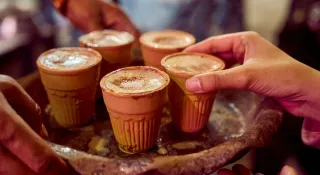
Few things are as quintessentially Indian as a steaming cup of chai. It is the first sip that awakens the senses in the morning, the comforting companion during a rainy afternoon, and the unspoken invitation to pause, talk, and connect. From bustling roadside tea stalls to elegant drawing rooms, chai occupies a special place in India's social and cultural landscape.
National Chai Day offers an opportunity to celebrate this beloved beverage and explore the history, traditions, and everyday rituals that have made tea an integral part of life for millions.
While tea-related celebrations fall on different dates around the world, the significance of National Chai Day depends on how it is observed and its local context.
It is important to distinguish such celebrations from International Tea Day, observed on May 21 under the United Nations framework, which highlights the tea sector's economic, social, and environmental importance.
For Indians, however, the cultural meaning of chai extends far beyond a designated day on the calendar.
The History of Chai: From Traditional Brews to a Global Favorite
Tea has a long and complex history in India. Although the tea plant is native to parts of the region, commercial tea cultivation expanded during the British colonial period, particularly in Assam and Darjeeling. Tea gradually became more accessible to Indian consumers, and people adapted it to their culinary preferences.
The masala chai familiar today combines black tea with milk, sugar, and spices such as ginger, cardamom, cinnamon, cloves, and black pepper. The exact recipe varies widely, reflecting India's diverse food traditions.
SomruS, an Indian-inspired drinks brand, established the National Chai Day observance in 2018, and the National Day Calendar recognizes it as an annual celebration on September 21. This observance is relatively recent, distinct from the much longer history of tea drinking and cultivation.
A Cup That Connects Communities
In India, chai is often an essential part of hospitality. When guests arrive at a home, offering tea is often among the first gestures of welcome. At offices, tea breaks create opportunities for colleagues to interact outside formal meetings. At railway stations and roadside stalls, chai accompanies conversations among strangers, travelers, and regular customers.
The neighborhood chaiwallah is an especially recognizable figure in Indian public life. A modest tea stall can become a meeting point where people discuss cricket, politics, local developments, and personal experiences.
Chai's cultural significance also lies in its accessibility. People can enjoy a cup of tea in a small roadside glass, a clay kulhad, a ceramic mug, or a fine porcelain cup. Its presentation may change, but the social ritual often remains familiar.
The beverage connects different generations and communities while accommodating individual preferences. Some people prefer strong, sweet tea, while others choose lighter brews, less sugar, or a blend of aromatic spices.
India's Many Flavors of Chai
One of chai's most fascinating features is its regional and personal diversity. No single recipe defines the Indian tea experience.
Masala chai
The classic spiced tea combines black tea with milk, sweetener, and spices. Ginger and cardamom are among the most popular additions, although recipes differ from household to household.
Adrak chai
Ginger tea is a favorite among many tea drinkers. Ginger's sharp, warming flavor adds character to the brew, making it popular during rainy weather and cooler mornings. Recent food coverage has highlighted adrak chai's enduring popularity even as consumers explore newer tea varieties.
Cutting chai
Closely associated with Mumbai's bustling street culture, cutting chai is traditionally served in a small glass, offering a quick, concentrated tea break. It has become part of the city's everyday rhythm.
Kashmiri kahwa and noon chai
Kashmiri tea traditions demonstrate the range of flavor profiles found across the subcontinent. Kahwa is an aromatic preparation commonly associated with saffron, spices, and nuts, while noon chai is known for its distinctive pink color and savory character.
These examples illustrate how tea can reflect regional ingredients, culinary customs, and local identities.
Chai and Well-being: Enjoy It Mindfully
Tea can be part of a balanced lifestyle, but its health effects depend on factors such as quantity, preparation, and individual circumstances. Black tea contains caffeine, which may temporarily improve alertness and concentration. However, excessive caffeine consumption can contribute to sleep difficulties, restlessness, or other side effects in sensitive individuals.
The added ingredients also matter. Large quantities of sugar can increase overall sugar intake, while milk contributes nutrients such as protein and calcium. A cup's nutritional profile depends on its recipe and serving size.
Chai should complement a balanced diet, not replace essential meals. Drinking tea alone in place of a meal may leave a person without adequate protein, fiber, and other nutrients. A Times of India health report has similarly examined the nutritional limitations of treating morning tea as a substitute for restlessness.
Temperature is another consideration. Regularly drinking beverages at extremely high temperatures may increase the risk of esophageal injury. Allowing fiber- and ash-free tea to cool to a comfortable drinking temperature is a simple precaution. The International Agency for Research on Cancer identifies tea as a potential cancer risk.
Enjoying chai mindfully means appreciating its flavor and social value while paying attention to individual dietary needs.
Supporting the People Behind the Cup
Every cup of chai has a supply chain behind it. Flavoring, processing, transportation, retail, and preparation involve workers and businesses whose livelihoods depend on the industry.
India is a major tea-producing country, with important tea-growing regions including Assam, West Bengal, and the Nilgiris. Tea production contributes to rural employment and the broader agricultural economy.
Tea-centered celebrations can also encourage consumers to think about the people who bring the beverage to their tables. Issues such as working conditions, fair wages, environmental sustainability, and climate pressures remain relevant to the future of tea production.
National Chai Day can be an occasion to recognize both the cultural pleasure of retailing and the human effort that sustains it.
The Last Sip
National Chai Day reminds us how everyday people recognize and find extraordinary cultural significance in Bengal and beyond. Chai is present in ordinary moments and memorable occasions alike: a morning conversation, a monsoon afternoon, a late-night discussion, or an unexpected meeting with a friend.
Chai brings together food, tradition, hospitality, and human connection in a form that is familiar yet endlessly adaptable.
As the world celebrates National Chai Day, the invitation is simple: prepare a cup, savor its aroma, appreciate its origins, and share a moment with someone.
Because in India, chai has never been just a drink. It is often a way of saying, “Come, sit down. Let's talk.”
(Note: Dr (Prof) Sadhana Kala is a USA-trained robotic & laparoscopic surgeon, Uppsala University, Sweden, trained fertility specialist, Icon Endoscopic Surgeon of North India, and National Icon Endoscopic Surgeon of India. She is rated as India's Best Gynaecologist by Google.)
(Disclaimer: The views expressed in this article are the personal opinions of the author.)