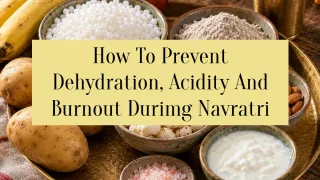
Fasting and garba are the two highlights of every Navratri season. During this time, most people break their fasts with deep-fried carbs (sabudana vadas, potato chips) that spike insulin, trigger acid reflux, and leave them running on empty by Day 4. Clinical Nutritionist Deepika Lalwani claims, "Meals should be tiny and consistent throughout the day instead of skipping them or starving."
How To Beat Dehydration, Acidity And Energy Crashes During Navratri Fasts
Navratri is the only time of the year when endurance athletics meets spiritual fasting. Dancing garba for three hours is equivalent to a half-marathon training session. Pairing this with intense fasting only leads to irregular sleep cycles and inflammation.
Deepika Lalwani, Clinical Nutritionist and Wellness Coach at Redcliffe Labs, says, “The primary goal should not be to endure the discomfort but rather ensure optimum hydration and proper nutrition throughout the nine days.”
She suggests effective ways to navigate the holy trifecta of Navratri pitfalls, which are dehydration, acid reflux, and metabolic exhaustion.
The Cheat-Sheet: Ideal Navratri Fuel Timeline
| Timing | What to Consume | Why It Works |
| Morning (Post-Fast Wakeup) | Lukewarm water + soaked almonds & walnuts | Gentle on the gut, jumpstarts basal metabolism |
| Mid-Day Meal | Samak chawal khichdi + cucumber raita | High fibre, cooling, replenishes glycogen |
| Late Afternoon Snack | Roasted makhana + green tea or tender coconut water | Electrolytes without a glycemic spike |
| 1 Hour Pre-Garba | 1 Boiled sweet potato + rock salt + lemon OR a small banana with peanut butter | Fast-acting, clean muscle fuel that won't sit heavy |
| During Garba | Sip water with lemon & a pinch of sendha namak | Sustained electrolyte replenishment |
| Post-Dance Wind-Down | Warm turmeric-nutmeg milk (or warm water with soaked raisins) | Flushes lactic acid and regulates the nervous system |
The Navratri Survival Guide
Why Plain Water Isn’t Cutting It
Gulping down two litres of plain water right before stepping onto the dance floor won't hydrate your tissues but will only make you sprint to the washroom
How To Fix This: Two hours before garba dancing, swap your plain water for coconut water, water spiked with a pinch of rock salt (sendha namak) and a squeeze of lemon.
What To Avoid: Gulping down iced tea, cold coffee, or energy drinks before Garba only provides a temporary dopamine hit. They also speed up fluid loss and amplify calf cramps.
Nutritionist Advice: "As part of fasting, fluids should be consumed frequently throughout the day, especially when sweating excessively. Caffeine, junk food, and overly processed snacks should also be limited before dancing."
The Next-Day Reset: Drink chilled chaas (buttermilk) blended with roasted cumin (jeera) and mint first thing the next morning. It rehydrates while cooling any inflammation caused last night.
Beat dehydration during Navratri with coconut water (Image:Magnific)
No Fried Food After Fasting Whole Day
Acidity during Navratri is common. It is mainly caused by breaking fasts with deep-fried foods. When your stomach stays empty for hours, gastric acid pools in the gut lining. Breaking your fast with sabudana vadas, deep-fried kuttu ki puri, or processed potato chips leads to acid reflux and gastric distension.
How To Fix: Avoid Sabudana (tapioca pearls) because it is almost purely refined starch with zero fibre. Instead, eat samak chawal (barnyard millet) khichdi or roasted makhana (fox nuts).
What To Avoid: Never go dancing on an empty stomach. Eat a bowl of plain, unsweetened curd with soaked chia seeds or a boiled sweet potato 45 minutes before stepping onto the dance floor. The alkaline nature of curd coats the stomach lining, acting as a physical barrier against acid reflux.
Nutritionist Advice: "Large quantities of fried preparations made with ingredients like sabudana and buckwheat may aggravate acidity or acid reflux. Include more fruits and vegetables during fasting that help improve fibre intake and support digestion."
The Next Day Reset: If you feel acid reflux, chew on a pinch of fennel seeds aka saunf or sip cold raw milk diluted with water rather than any carbonated drinks.
Avoid Sabudana because it is almost purely refined starch with zero fibre (Image:Magnific)
How To Sustain 4 Hours Of Stamina
The most common mistake during Navratri is staying on an empty stomach all day. It spikes blood glucose and you can also experience a massive insulin surge and brain fog.
How To Fix: Swap simple starches like sabudana with mineral-rich grains like Singhara atta (water chestnut flour) and kuttu (buckwheat) flour. They have a lower glycemic index and are loaded with zinc, magnesium, and slow-burning complex carbohydrates.
What To Avoid: It is advised never to eat carbs in isolation. If you’re eating a baked sweet potato, pair it with crushed roasted peanuts. If you’re making buckwheat rotis, add paneer or a bowl of plain curd. The fat should be paired with protein to slow down gastric emptying.
Nutritionist Advice: "Buckwheat (kuttu) can cause digestive discomfort in some individuals if eaten alone, while sago (sabudana) is low in fibre, and relying on it too heavily may contribute to digestive issues."
The Next Day Reset: Drink a small glass of warm almond milk flavoured with nutmeg and turmeric to kickstart muscle repair and promote deep, restorative sleep.
Eat small meals all day to retain energy during Navratri (Image: Magnific)
ALSO READ: Going To A Garba Night? Try These 5 Stylish Dupatta Draping Styles
Nutritionist Deepika Lalwani explains, "Short resting periods help prevent fatigue, and too much effort must be avoided when you feel weak in the body. Symptoms like constant dizziness, fainting, confusion, vomiting, extreme fatigue, or decreased urination must not be ignored."
Disclaimer: Those who have health conditions or are pregnant should consult their doctor before fasting.
FAQs
Q1: What should I eat immediately after waking up during Navratri fasting?
A: Drink lukewarm water paired with a few soaked almonds and walnuts first thing in the morning. This combination is gentle on an empty stomach and helps jump-start your metabolism without causing a sugar spike.
Q2: What is the best meal to eat during the day to keep energy levels stable?
A: A mid-day meal featuring samak chawal khichdi accompanied by cucumber raita is ideal. It provides high fibre, keeps the body cool, and efficiently replenishes your glycogen levels.
Q3: What should I eat 1 hour before going for Garba?
A: Consume one boiled sweet potato with rock salt and lemon, or a small banana with peanut butter before going for Garba.