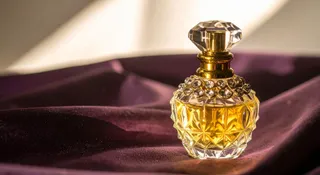
Perfume Capital of India: Perfumes were not always in those chic spray bottles. Perfumes have their own history and cultural significance that highlights diverse perfume trends and consumer markets across the globe. However, in India, the perfume industry was rooted in all-natural fragrances made from flowers, herbs, plants, woods and other aromatic materials.
In 2026, perfumes have become a grooming essential; smelling good has become a trend. Perfumes are now in fancy spray bottles, filled with a mixture of fragrant essential oils, fixatives, and solvents that people use to smell pleasant for longer hours.
Which City Is Known As The Perfume Capital Of India?
Kannauj in Uttar Pradesh is known as the Perfume Capital of India. The city has earned the label due to its rich history of perfume production. Especially in India, Kannauj is a living example of a long-lasting tradition of making attar.
Timeless Fragrances For Women (Image Credit: Canva)
Attar, often locally pronounced as ittar or itar, is a natural perfume made from fragrant flowers, herbs, wood, and other elements with a pleasant odour. Not just that, Kannauj is regarded as the perfume capital of India, also because the place, for more than 400 years, has been making attar using an old-fashioned distillation technique, passed down by generations.
ALSO READ: Timeless Fragrances For Women That Rarely Go Wrong: Chocolate, Vanilla And Other Irresistible Notes
Why Is Kannauj Famous For Attar?
Kannauj’s reputation as the perfume land of India, led by traditional factors and natural perfume (attar) production. Far away from modern chemical-based perfume-making, Kannauj stands tall with its approach to obtaining fragrance from various materials like flowers, sandalwood, rose, kewra, and much more, using the Deg-Bhapka technique.
What Is Deg-Bhapka?
Deg-Bhapka is an ancient method of attar making, utilising the traditional method of hydro distillation. Kannauj is especially famous for using this as its natural way of making pure attars, also known as natural perfumes. Deg-Bhapka is all about boiling flowers or any other aromatic natural material in a copper still, which is known as deg. The resulting vapours are trapped in a receiver that is known as bhapka, and the base of which could be oil such as sandalwood oil. And that is how natural perfumes are made traditionally.
Why Is Kannauj Popular As The 'Grasse of the East' Worldwide?
Grasse simply means France, which is the perfume capital of the world. With that reasoning, Kannauj is known as the Grasse of the East, highlighting its artistry as the ancient hub for artisanal perfumery. However, Kannauj is most famous for producing traditional attar, which is a flower-based perfume oil.
ALSO READ: Why You Should Change Your Perfume With The Changing Season? The Reason Will Surprise You
Cultural Significance Of Kannauj
Other than being a significant market for natural perfumes, the art of perfume making in Kannauj is more about its culture. That is why many people around the city have their own business lineage associated with the perfumery craftsmanship. The perfume industry has hugely contributed to the cultural significance of Kannauj. Apart from being a perfumery town, Kannauj is also a historically significant city and tourist attraction point.
So next time you opt for a perfume bottle or see someone applying an attar, do remember Kannauj’s unravelling legacy as the Perfume City of India, all thanks to its attar and perfume-making culture and heritage that have existed for the longest time. Kannauj has earned this title because of its representation as the true essence of Indian traditional perfume culture.