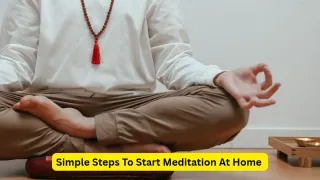
In today's chaotic world, people need something that calms their minds, reduces their anxiety and helps them find clarity. Meditation is one of the simplest methods to achieve that.
For many people, meditation is a chore, and they think they need to sit for hours. However, reality is totally different.
According to Shri Ravi Shankar, meditation is a journey from sound to silence. It is a skill that can calm the mind and realise the abundant source of energy within.
Why Should You Meditate?
Many people ask why they should meditate and what benefits come from practising it every day. Here are some:
- Meditation creates positive and harmonious energy around us.
- It keeps you physically fit and healthy, mentally focused and sane.
- It brings focus, keenness of attention, awareness, and observation.
- Even a single 15-minute guided breathing session can reduce negative mood and increase emotional resilience in people new to meditation.
- Helps reduce anxiety and depression symptoms.
Why Today's Generation Should Practice Meditation?
In today's world, people need money to live a happy and stable life. To achieve this, they take on more responsibilities, get so busy that they don't even get time for themselves. To break this pattern, dedicating even two minutes of meditation in the morning can have a significant impact.
Because meditation not only relieves stress and strain, it also enhances the ability of an individual to face challenges. It keeps the body in shape, improves concentration and perception, and helps individuals express themselves more properly.
According to scientific studies, Meditation also lowers cortisol, helping reduce anxiety and depression symptoms.
Meditation relieves stress and strain (Image: Pexels)
ALSO READ: What Is Maun Vrat? The Ancient Practice Of Silence For Modern Inner Peace
Step-by-Step Guide For Meditation
According to Ravi Shankar, here are a few steps that a beginner should follow while doing their first meditation:
Step 1: Select A Particular Time And Place
Choose a time, either early in the morning or in the evening, when you know that no one will disturb you. Similarly, choose a peaceful and calm place where you can sit and meditate without distractions.
Choosing these two things will make meditation enjoyable and relaxing.
Step 2: Sit In A comfortable Posture
When sitting for meditation, keep your shoulders relaxed. You don’t need to sit with a straight back. You can also sit while taking the support of a wall. Avoid lying down on the sofa or with your legs outstretched during meditation.
Step 3: Meditate On An Empty Stomach
Meditation works best on an empty stomach or 2-3 hours after taking the meal. If you meditate with a full stomach, then you are more likely to sleep or feel dull.
Step 4: Perform A Few Exercises Before Starting Meditation
Don't jump directly into meditation. Try a few asanas, pranayama, or exercises to improve circulation, remove inertia and restlessness, and make the body feel lighter. This step will help you sit steadily for a longer time.
Try a few asanas, pranayama, or exercises to improve circulation (Image: Pexels)
Step 5: Don’t Judge Your Thoughts
While doing meditation, many thoughts may come into your mind. They can be anything. Some people get ideas, some people can see visions, some see colours, some smell fragrance, or feel something. It's okay to experience all these things. Simply continue with your meditation.
Step 6: Detach From The World
All day you are surrounded by people and responsibilities. When practising meditation, detach yourself completely from the outer world.
Step 7: Do Not Concentrate
Many people think meditation is all about concentration. However, according to Ravi Shankar, 'Meditation is the simple art of doing absolutely nothing, not even thinking, so you don’t concentrate but you de-concentrate, you relax completely.'
Step 8: Open Your Eyes Slowly And Gently
When you come to the end of your meditation, don't immediately open your eyes or move your body. Instead, open your eyes slowly and gradually.
ALSO READ: Premanand Maharaj Quotes: Powerful Teachings On Meditation, Ego, Detachment, Life And Surrender
So, these are a few steps that you should do when you're beginning your meditation journey for the first time.
FAQs
1. How long should I meditate for the first time?
Meditation for beginners should be like a 10-minute session if you are just starting, and gradually increase the duration as you become more comfortable with the practice.
2. How do I know if I am meditating correctly?
After meditating, your body feels calm and composed, with increased awareness. You also feel content with yourself and everything around you.