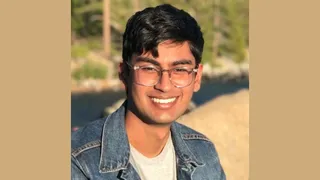
OpenAI Researcher Death: Suchir Balaji, a 26-year-old former OpenAI researcher who had previously raised concerns about the company's operations and practices, was found dead in his San Francisco apartment on November 26, reports said on Saturday. Several media reports said that the AI researcher died by suicide.
According to Balaji’s LinkedIn profile, he worked for OpenAI from November 2020 to August 2024. During an interview with The New York Times in October, Balaji raised concerns about OpenAI breaking copyright law.
Earlier on October 24, Balaji shared a post on X (formerly Twitter), discussing fair use about generative AI. Reflecting on his four-year experience at OpenAI, including a year and a half working on ChatGPT, Balaji concluded that "fair use seems like a pretty implausible defence for a lot of generative AI products."
An initial probe into the matter suggested no foul play. “Officers and medics arrived on scene and located a deceased adult male from what appeared to be a suicide. No evidence of foul play was found during the initial investigation,” San Francisco Chronicle quoted a police statement.
The director of the city's chief medical examiner's office confirmed to the media that the cause of death has been ruled as suicide. The death of Balaji, who had accused OpenAI of copyright violations shortly after resigning from the company in August, has triggered a significant online response, with many expressing shock.
Tesla CEO Elon Musk responded to the news with a cryptic "hmm," providing no further details.
Balaji’s last post on X, formerly Twitter, also went viral following the news of his death. In his post on October 24, he wrote, “I recently participated in a NYT story about fair use and generative AI, and why I’m sceptical ‘fair use’ would be a plausible defence for a lot of generative AI products".
"I initially didn't know much about copyright, fair use, etc. but became curious after seeing all the lawsuits filed against GenAI companies. When I tried to understand the issue better, I eventually came to the conclusion that fair use seems like a pretty implausible defence for a lot of generative AI products, for the basic reason that they can create substitutes that compete with the data they're trained on," he added.