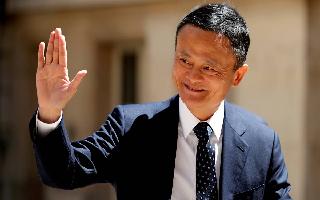
Jack Ma, Alibaba founder and billionaire, has been living in central Tokyo amid the Chinese government's crackdown on the country's technology sector. According to a report by the British daily Financial Times, Ma has been residing in Tokyo for almost six months.
Once the richest business leaders in China, Jack Ma shifted to neighbouring Japan amid the Chinese government's crackdown on the country's technology sector and its powerful businessmen.
After criticising Chinese regulators in 2020 and declaring that the state banks had a "pawnshop mindset", Ma disappeared from the public eye. He even advocated for the entry of fearless new competitors who may increase China's credit to the weak beneficiaries of collateral.
Alibaba and Ma's Ant business have encountered a number of regulatory challenges as a result of the criticism.
Chinese regulators reportedly cancelled Ant's massive USD 37 billion initial public offering and penalised Alibaba a record USD 2.8 billion for antitrust violations last year, according to a Financial Times report.
In another report titled 'CCP's intimidating tactics against Technocrats and Big Businesses in China', another publication Financial Post, said that the Chinese communist party in their quest to intimidate large-scale businesses and their founders.
The party-cum-state, has begun its long-awaited crackdown on big businesses that refused to endorse the Party's repressive policies, the report adds.
It says the situation of Jack Ma is telling of the CCP's tactics of intimidation through coercive means. According to the report, this has invariably caused fear amongst other business owners that had previously raised similar concerns.
Pursuing the same method, China recently initiated a revision of Chinese law deeming certain practices deployed by large platforms such as Alibaba, Tencent, amongst others as illegal.
The Chinese Communist Party (CCP) is reportedly in the process of imposing a USD 1 billion penalty on the degraded Chinese firm, making it the largest regulatory fine to ever be imposed, according to Financial Post.
(With ANI inputs)