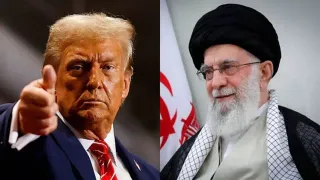
The Islamic Republic of Iran has entered a 40-day period of national mourning following the confirmed death of Supreme Leader Ayatollah Ali Khamenei. The 86-year-old leader was killed during a joint military operation conducted by the United States and Israel.
The confirmation follows a chaotic Saturday marked by psychological warfare and social media speculation. Shortly after US President Donald Trump and various Israeli officials claimed the strike was successful, a message appeared on Khamenei’s official X account. Written in Persian, the post invoked the name of "Nami Haider", a reference to Imam Ali, a foundational figure in Shia Islam.
At the time, the post was interpreted by some as a sign of life, bolstered by claims from Iranian state news agencies IRNA, Tasnim and Mehr, which insisted the Leader remained "safe and sound" and was "firmly commanding the field." However, those denials were eventually overtaken by the official government announcement of his passing.
Trump Celebrates "Justice" From Mar-a-Lago
Monitoring the military developments from his Florida resort, President Trump took to Truth Social to declare the mission a success. He described Khamenei’s death as a historic turning point, characterising the late leader as a "bloodthirsty thug" and one of history's most malevolent figures.
"This is the single greatest chance for the Iranian people to take back their country," Trump stated, asserting that the operation provided justice for victims of Iranian-backed violence across the globe.
According to reports from Fox News, US intelligence suggests that the initial strike targeted a high-level meeting, potentially killing five to ten other senior Iranian officials alongside the Supreme Leader.
Khamenei: Legacy Of 36-Year Rule
Ayatollah Ali Khamenei had held absolute power in Iran since 1989, succeeding Ayatollah Khomeini. His tenure was defined by:
Absolute Authority: He maintained total control over Iran’s military, judiciary and political systems, ensuring no policy moved forward without his personal endorsement.
Regional Influence: He expanded Iran’s reach through a network of proxy forces, though this influence had recently waned following the fall of Bashar al-Assad in Syria and the weakening of Hezbollah.
Internal Hardline Policy: Khamenei was known for ruthlessly suppressing domestic dissent, most recently overseeing the most violent crackdown on protesters since the 1979 revolution.
Defiance of the West: He remained an unyielding opponent of the United States, specifically refusing to negotiate away Iran’s ballistic missile program, which he viewed as the nation's primary deterrent against foreign intervention.
Regime In Crisis
The death of Khamenei comes at a moment of unprecedented vulnerability for the Islamic Republic. Already reeling from a 12-day air campaign last June that crippled nuclear and missile infrastructure, the government now faces a massive power vacuum.
With the loss of their ultimate decision-maker, the complex clerical and military structures of Iran face an uncertain future as the "Axis of Resistance" he spent decades building continues to face intense military pressure from the West and Israel.