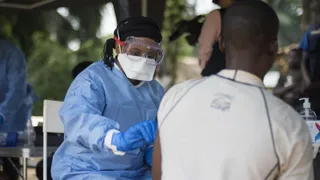
Ebola Outbreak: The World Health Organisation (WHO) has declared the ongoing Ebola outbreak in Congo and Uganda a Public Health Emergency of International Concern (PHEIC). The outbreak is caused by the Bundibugyo strain of the Ebola virus, which is rare and has now spread in parts of Central and East Africa, raising global concern.
What WHO Said?
The WHO made the emergency declaration on May 17, under the International Health Regulations. It said the situation needs stronger global monitoring, especially at airports and border points, to detect travellers showing symptoms from affected regions. The situation is concerning as the current outbreak is caused by the Bundibugyo Ebola virus (BDBV), which is different from the more common Ebola strains seen in previous outbreaks.
How Does The Virus Spread?
Ebola is a severe and often deadly disease. It spreads from wild animals like bats and monkeys to humans, and then from person to person through contact with infected body fluids or contaminated objects. Common symptoms include Sudden fever, weakness and headache, muscle pain, sore throat, vomiting, diarrhea, and rash in severe cases.
Why Existing Ebola Vaccines Don't Work?
At present, no vaccines or specific treatments have been approved to prevent or treat disease caused by the Bundibugyo virus strain. One reason is that existing Ebola vaccines, such as Ervebo, are designed only for the Zaire strain and do not fully protect against Bundibugyo. Scientists believe cross-protection may be limited, meaning these vaccines may not work effectively against this strain.
ALSO READ: India-Africa Forum New Delhi Summit Postponed Over Ebola Outbreak Scare
Another reason is that Bundibugyo outbreaks have been extremely rare in the past, with only a few cases in 2007 and 2012. As a result, global research and funding focused more on other Ebola strains. While experimental vaccines are being developed for this strain, they are still in early stages and have not completed human trials. It may take 6 to 9 months or more before any vaccine could be available.
India Advises Citizens To Avoid Travel
In view of the situation, India has also taken steps in line with WHO’s recommendations. The government has advised all Indian citizens to avoid non-essential travel to Congo, Uganda and South Sudan until further notice. In a press release, the government noted that India has not reported any case of Ebola disease caused by the Bundibugyo virus strain.
You May Also Like To Watch: