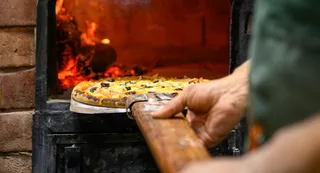
Pizza, one of the most loved foods worldwide, brings together people across ages, cultures, and countries. Originally from Naples, Italy, it is known for its incredible taste, variety of toppings, and remarkable journey from a simple street food to a global culinary icon.
Observed annually on February 9, this day celebrates pizza by tracing its origins back to around 997 CE, when it was first served as an unleavened bread spread with fresh herbs and olive oil among early civilisations of the Middle East. In Today’s era, the dish is enjoyed globally in its own way around the world. For instance, from tandoori-paneer pizzas in India, Pepperoni in the United States and seafood-topped versions in Japan.
The dish is bound by several interesting facts and stories, with one including Queen Margherita of Italy. The Queen, visiting the palace at Capodimonte in Naples, tired of the French cuisine, decided to try local food and asked Raffaele Esposito to bake Pizza for her.
Esposito then prepared three pizzas for her, of which the queen liked one topped with tomato (red), mozzarella (white), and basil (green), a combination said to reflect the colours of the Italian flag. In her honour, this simple yet striking pizza was named Pizza Margherita.
It wasn’t until Italian immigrants brought their recipes to the United States in the early 20th century that pizza began its push toward global fame. The first pizzeria in America opened in New York in 1905, and after World War II, pizza’s popularity exploded. Regional styles like Chicago deep-dish and New York thin crust emerged, while pizza chains like Domino’s and Pizza Hut expanded internationally, standardising and spreading the dish far beyond Italian communities.
Crazy facts about pizza
Refrence In The Epstein Files
Surprisingly, the term "pizza" unexpectedly appeared alongside other topics outside its culinary context, linked to the publication of highly popular document collections related to financier Jeffrey Epstein's affairs. The term was mentioned over 900 times in emails and correspondence in the so-called Epstein files, which prompted social media speculation linking it to long-debunked conspiracy theories such as “Pizzagate.”
The original Pizzagate theory from 2016 falsely claimed that political figures were involved in a child trafficking ring run out of a pizza restaurant, a claim that mainstream media and law enforcement found no evidence for.
ALSO READ: 'All Fake': Candace Owens Blasts Erika Kirk, TPUSA Over Super Bowl Halftime Viewership Claims
Recently released documents have seen the recurring use of the term "pizza" generate significant online discussion despite experts stressing there is currently no confirmed connection between casual mentions of pizzas and illegal actions. Many of the mentions were simply about meals or everyday conversation, and analysts warn that the speculation reflects online pattern-searching rather than factual connections.
From a cheap Neapolitan snack to a global staple, pizza’s journey mirrors broader trends in migration, innovation, and cultural exchange. It’s eaten at family dinners, late-night hangouts, and celebrations alike, and its name, unexpectedly, still manages to slice into bizarre corners of internet lore.