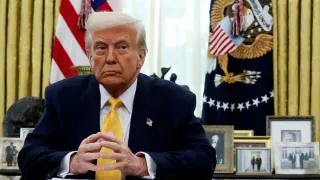
US President Donald Trump's tariff policies are facing growing questions within his own Republican Party following the party's disappointing performance in November midterm elections. Several Republican lawmakers have indicated that they are willing to reconsider at least some of the tariffs that have increased costs for American businesses, farmers and ordinary households. This could create an unexpected opportunity for Democrats to work with Republicans to challenge parts of Trump's trade policy when they regain control of Congress in January.
Republicans Begin Rethinking Trump's Tariff Strategy
The election results appear to have encouraged some Republicans to take a closer look at the economic impact of Trump's tariffs. According to the Associated Press, more than half a dozen Republican lawmakers interviewed after the election expressed support for reviewing certain trade measures. Most of them believe tariffs should be examined individually rather than removed altogether. They have also called for greater predictability in trade policy, stating that businesses need clear rules to make investment and production decisions.
Some lawmakers have suggested that Congress should play a stronger role in deciding when tariffs can be imposed. However, the report adds that Republicans remain cautious about directly limiting Trump's authority as they believe any legislation could face a presidential veto.
ALSO READ: India-US Trade Deal Nears Finalisation As Roadmap Takes Shape: What We Know
Todd Young Calls For Change In Approach
Senator Todd Young, a Republican from Indiana, has indicated that the party needs to reconsider its position on tariffs. "A rethink is indeed in order," Young told the AP. Young said he would support changes that make tariffs less burdensome for Americans. He also suggested that the administration might consider a more balanced approach. Young further stated that the government should focus on specific trade problems and ensure that its decisions do not unnecessarily increase domestic costs.
Canada Tariffs May Become An Early Target
One issue that could bring Republicans and Democrats together is Trump's decision to impose tariffs on Canadian imports. Democrats have reportedly identified these duties as a possible starting point for challenging Trump’s trade agenda. The measures have drawn criticism as Canada's retaliatory actions have added pressure on American companies and consumers.
Republican Senator John Kennedy of Louisiana, who supports certain tariffs on Chinese products, has questioned the need for similar measures against Canada."Tariffs with respect to Canada don’t make sense to me," Kennedy told the AP. His statement suggested that while Republicans do support tariffs, they do not believe in targeting close economic partners such as Canada. Representative Michael Guest has also shown an interest in working with Democrats on individual tariff-related proposals.
Meanwhile, Senator Josh Hawley of Missouri has warned against moving too far in the opposite direction. He expressed concern that Republicans could end up supporting Democratic efforts to eliminate too many tariffs. Hawley’s position highlights the divisions emerging within the Republican Party.
White House Defends Its Trade Policy
The White House has continued to defend Trump's tariff strategy despite criticism from some members of his own party. Spokesman Matthew Middleton said the administration remained committed to rebuilding American communities, reducing costs and creating greater economic opportunities.
Democrats To Challenge Tariffs
The report also suggests that Democrats are looking to use the growing differences among Republicans to build support for reversing some of Trump's trade measures. Incoming Senate Finance Committee Chairman Ron Wyden has indicated that removing tariffs on Canadian goods could be an important first step towards challenging other parts of the president's trade agenda.
However, removing Trump's tariffs through Congress will remain a difficult task as Trump could veto any legislation passed by lawmakers seeking to repeal his trade measures. To override that veto, Congress would need a two-thirds majority in both the House of Representatives and the Senate.
ALSO READ: How US Tariffs Threaten Indian Exports And India-US Trade Deal | Explained
You May Also Like To Watch: