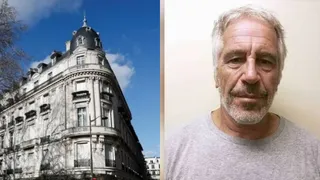
Jeffrey Epstein's world of sex rackets and crimes has revealed a new set of proofs, including photographs, rooms, eerie structures, and so on. A new set of images and details shed light on Jeffrey Epstein's 18-room secret apartment in Paris. Located near the Arc de Triomphe, the opulent property has been described as a "house of sin" used to commit sexual crimes and entertain a network of high-profile associates. The released documentation offers a rare glimpse into the eccentric and unsettling environment Epstein maintained in France.
ALSO READ: Money, Power, And Predation: How Jeffrey Epstein Built An Empire Of Exploitation
The interior of the apartment had a "Red Room", characterised by shades of red, orange and pink, which served as a private den for performances and entertainment. The decor was focused on provocative imagery, with walls lined with framed photographs and naked portraits of young women. Beyond the artwork, the property contained a customised massage room and was filled with an eerie collection of stuffed animals and bizarre items, including artwork resembling skulls.
The revelation of these images has brought renewed scrutiny to Epstein's powerful links throughout the world. Among the findings are allegations that the apartment was the site where objectionable photographs of former UK Ambassador Peter Mandelson were taken, NDTV reported.
ALSO READ: Queen's Favourite Son To Disgraced Ex-Prince: How Epstein Links Turned Andrew Into Royal Shame
Findings also suggest financial ties between the two, though Mandelson has maintained he does not recall the circumstances surrounding the images. Additionally, the property was a frequent hotspot for individuals in Epstein’s close associates, including figures like Andrew Mountbatten-Windsor, whose ties to the late financier have faced ongoing legal and public backlash.
The release of these details coincides with the declassification of thousands of documents that continue to expose the scale of Epstein's international operations. As the legal fallout persists, victims have continued to push for transparency and accountability from those who enabled the network.
The Paris apartment itself was sold in 2024 to a Bulgarian businessman at a significantly reduced price, marking a quiet end to a property that for years served as a central hub for Epstein's illicit activities.