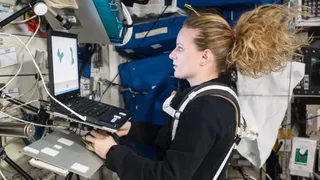
Space travel does more than challenge the body; it also changes the human brain. Scientists say spending weeks or months in space can shift the brain's position inside the skull and affect how astronauts think, move and balance. The good news is that many of these changes improve after returning to Earth.
On Earth, gravity constantly pulls body fluids downward. In space, where there is almost no gravity, these fluids move toward the head. This increases pressure inside the skull and can push the brain slightly upward and backward. MRI scans of astronauts before and after space missions have confirmed these changes. The longer astronauts stay in space, the greater the shift in the brain's position.
What scientists found
Researchers found that the biggest changes happen in parts of the brain responsible for movement, balance and processing sensory information. These changes may explain why astronauts often feel dizzy or have trouble walking normally when they return to Earth after long missions.
ALSO READ: An Ageing Telescope Falling Back To Earth; NASA Races To Save It With Daring Rescue Mission
Scientists have also noticed changes in the fluid surrounding the brain, known as cerebrospinal fluid. This fluid helps protect the brain, but changes in its movement during spaceflight may affect brain function and vision. Some astronauts develop blurred vision or eye problems after spending months aboard the International Space Station.
Despite these physical changes, studies show astronauts generally continue to perform well mentally. They can still make decisions, solve problems and complete complex tasks, although they may work slightly more slowly while adapting to microgravity. Researchers believe the brain is highly adaptable and can adjust to the unusual conditions of space.
Impact on the brain in space
Most of the brain changes begin to reverse after astronauts return to Earth. However, some effects can last for several months, especially after longer missions. Scientists are now studying whether repeated or very long space journeys could have lasting health effects.
The findings are becoming increasingly important as space agencies prepare for future missions to the Moon and Mars. A trip to Mars could take several months each way, meaning astronauts would spend much longer in microgravity than they do on current missions. Understanding how space affects the brain will help researchers develop better ways to protect astronauts during these long journeys and ensure they remain healthy throughout their missions.