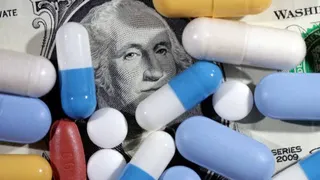
New Delhi/Washington: US President Donald Trump said on Tuesday that all generic drugs being brought into America will continue to have a tariff of 0 per cent for two years starting from August 1, after which the tariff rate will be raised to 100 per cent for one year and to 200 per cent thereafter. The move is definitely hitting Indian exporters as they are among the top merchants pushing Indian drugs to the American market.
"This is done in order to RESHORE Generic Pharmaceutical Production into America, with a penalty to those Companies that decide not to build Plant and Equipment within the stated period of time given to them," Trump said in a post on Truth Social.
Trump pressuring drugmakers to bring US-centred drug policy
Trump has been pressuring drugmakers through his most-favoured-nation drug pricing policy to lower prices to what people pay in other high-income countries. More than 90 per cent of medicines sold in the US are generics, according to the US Food and Drug Administration.
ALSO READ: Not 500%, But 100%: US Softens Tariff Threat On India, China Over Russian Oil Imports
The policy on patented, branded, or innovative drugs will remain unchanged, Trump said. The world's biggest drugmakers signed deals with the US government last year that exempted billions of dollars of drugs from tariffs. Trump signed an executive order in April imposing 100 per cent tariffs on branded pharmaceuticals imported into the US unless manufacturers agree to government drug pricing deals or commit to making their products domestically.
Why India is directly in the crosshairs
India is often referred to as the "Pharmacy of the World" and is the single largest supplier of generic medicines to the United States. India exported USD 9.7 billion worth of pharmaceuticals to the US in 2025 alone, accounting for nearly 38 per cent of its total global pharma exports.
Indian manufacturers supply over 40 per cent of all generic prescriptions filled in the US, covering essential treatments for hypertension, diabetes, cancer, infections, and mental health.
Breathing room for Indian drugmakers
The two-year 0 per cent tariff period gives Indian drugmakers time to re-evaluate supply chains, contract manufacturing, and foreign direct investment strategies. Export volumes are unlikely to collapse immediately, but strategic shifts must begin right away.
The announcement serves as a high-stakes countdown for Indian pharma. While exports won't take an immediate hit today, Indian companies must pivot toward local US production or negotiate trade exemptions through Indian government channels before the August 2028 deadline.
(With inputs from Reuters)
You may also like to watch